Spring Fly Fishing Rigs: Guide Setup for Montana Trout (Nymphs, Streamers & Dry Flies)
Best Montana Spring Fly Fishing Rigs for Trout: Nymph, Streamer & Dry Fly Setups
Spring is one of the most productive times to be on the water in Montana. As rivers begin to wake up from winter, trout feed heavily and anglers who know how to rig properly can have some of the most consistent fishing of the entire year. While fly selection matters, how you rig your flies is often the difference between an average day and a great one.
Over the years, guiding across Southwest Montana on rivers like the Madison, Gallatin, and Yellowstone, there are a handful of spring guide rigs we rely on almost every day. These setups are designed to cover the most common spring conditions—cold water, changing flows, and early season hatches like Blue Winged Olives and Skwala stoneflies.
Below are the three most effective spring fly fishing rigs guides use to catch trout in Montana.
Double Nymph Rig (The Most Consistent Spring Setup)
If there is one rig that consistently produces fish in the spring, it's the double nymph rig. Cold water temperatures mean trout tend to hold deeper and feed subsurface, making nymph fishing extremely effective early in the season.
Guides rely on this setup because it allows anglers to present two different food sources while getting flies down into the strike zone quickly.
Typical Spring Double Nymph Setup
Leader:
9 ft 3X or 4X leader
Indicator placement:
Usually 1.5–2 times the water depth, adjust throughout the day depending on water depth and type of water you are fishing.
Guide tip: If you’re not occasionally ticking the bottom, you probably aren’t fishing deep enough.
First fly (point fly):
Can be tied directly to the tapered leader or if using or planning to use split shot, tie a 2-3’ section of similar diameter tippet to your leader with a blood knot or surgeons knot and attache the fly to that. The Knot will be a good stopping point for the split shot to not slide down to the point fly. The point fly is typically your larger/heavier fly.
Second fly (dropper):
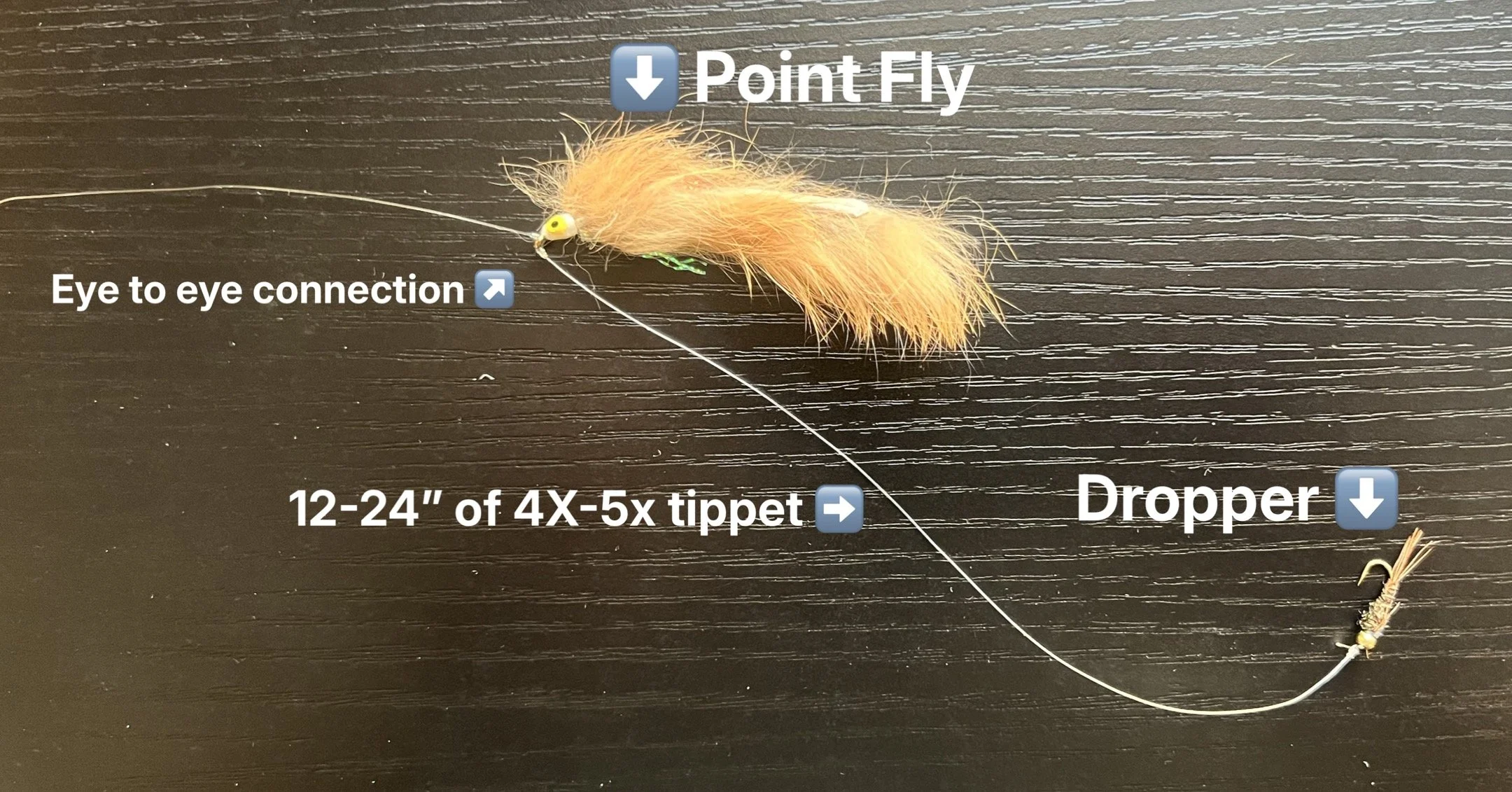
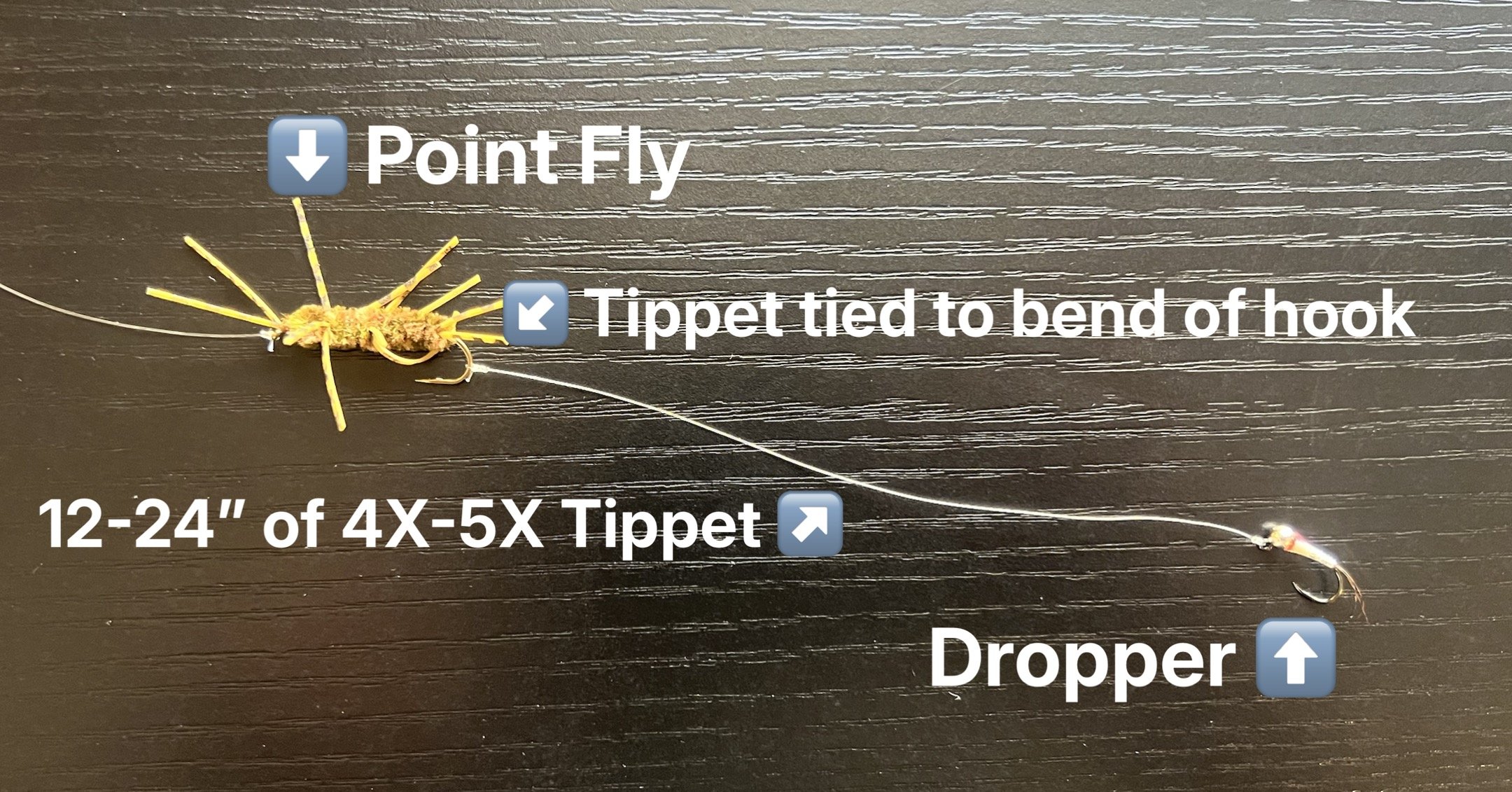
12–24 inches below the first fly. This fly should be smaller or similar size to the point fly. Use similar or slightly thinner diameter tippet to attach the second fly to the first fly. You want the whole rig to taper down, this makes casting much smoother. Using a clinch knot, attach tippet to the bend of the hook of the point fly and attach the other end to the second “dropper fly”. You can also attach the point fly to the dropper by tying the tippet eye to eye, tying tippet from the eye of the point fly to the eye of the dropper fly. This works well when you want the point fly to have more “action” to it.
Guide Tip: The closer you place your 2 flies, the better and easier hook ups will be. The further apart, the bottom fly gets better action and looks more natural but because of the distance, you might miss hook ups because of the delay in strike indication.
Tippet sizes:
• 4X–5X most days
• 5X–6X for pressured fish or clear water
Weight:
Split shot placed 1-2’ above the point fly. This is where the tippet/leader connection point creates a good stopper so the split shot doesnt slide down to the point fly.
Spring water levels and fish holding areas can fluctuate, so we are constantly adjusting weight and indicator depth until flies tick the bottom occasionally.
Common “Guide Flies” for Spring Nymph Rigs
Some patterns show up on guide boats every spring:
Stonefly Nymphs
Pat’s Rubber Legs
Girdle Bug
Montana Stone
Mayfly Nymphs
Flashback Pheasant Tail, Soft Hackle Pheasant Tail
Split Case BWO
Perdigon patterns
BWO Emergers
Attractor Nymphs
San Juan Worms, Wire Worms
Egg Patterns
Read More About Our Favorite Spring Flies Here
A common setup might be:
Pat’s Rubber Legs → 18 inches → Perdigon
The heavier stonefly helps get the rig down quickly while the smaller trailing fly imitates the insects trout feed on most heavily in spring.
When to Adjust Your Rig
Spring fishing often requires small tweaks throughout the day:
Add weight when:
Fishing deeper runs
Water temps are colder
Flows increase
Remove weight when:
Fishing shallow riffles
Fish begin moving into softer water
Guide tip: If you’re not occasionally ticking the bottom, you probably aren’t fishing deep enough.
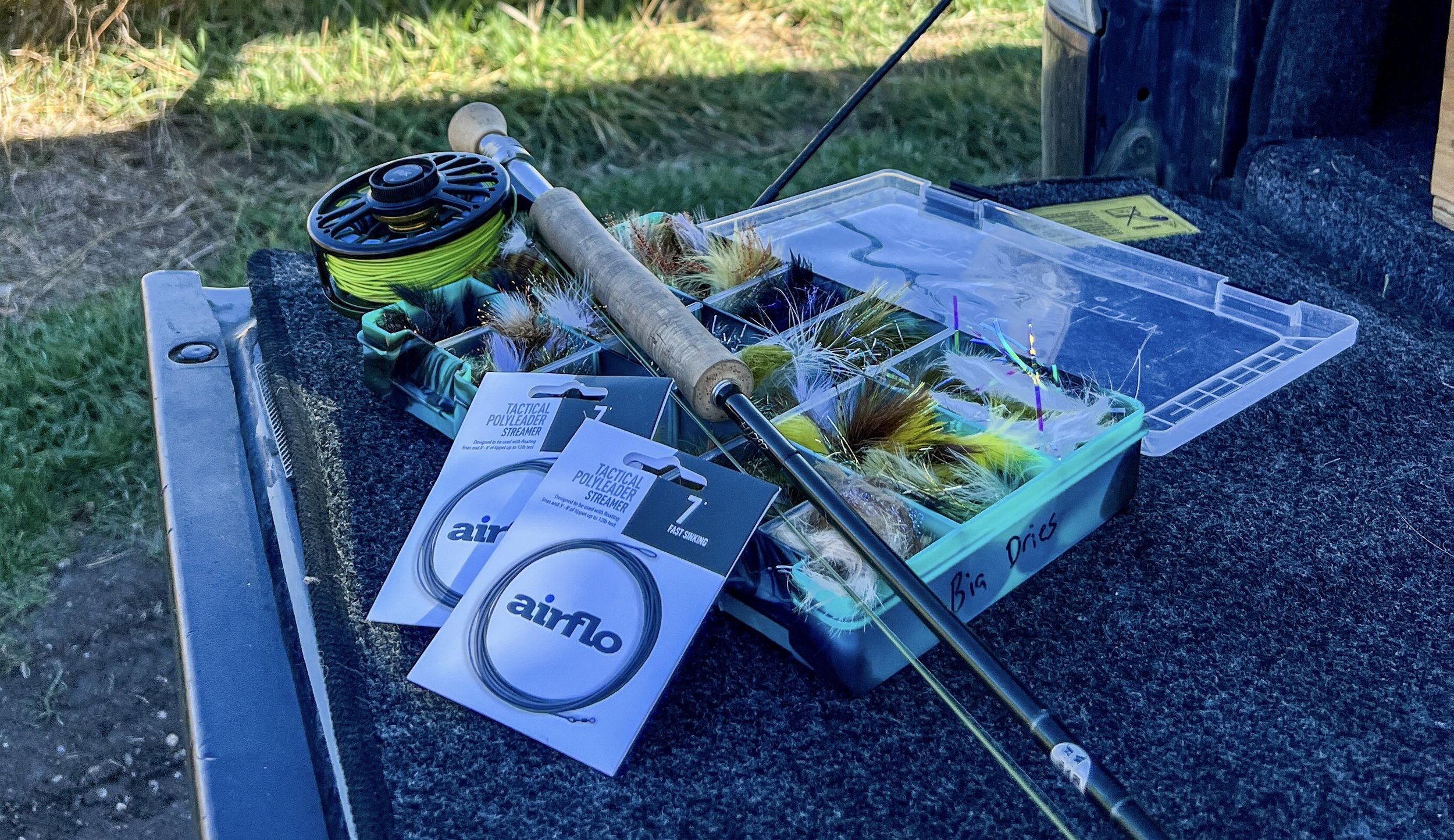
Streamer Setups for Spring Trout
Spring is also one of the best times of year to fish streamers. As trout begin feeding more aggressively after winter, larger fish often chase baitfish and sculpin patterns.
Streamer fishing is especially effective on overcast days, rising water, or when runoff begins to slightly stain the river.
Basic Streamer Rig
Leader:
4–7.5 ft leader - 0-3X We are not thinking stealth with this one. We want a stout leader that will turn over big bugs.
Tippet:
0X–3X depending on fly size
Line setups:
Most common options guides use:
Floating line + sink tip leader - 5–10 ft poly leader or sink tip, easy addition to add sink to any floating line
Full sink tip fly line - makes for easier casting with the integrated sink tip
Floating line with weighted flies - Works well on most Montana rivers, if you need a little more depth, add a split shot above the fly.
Common Spring Streamer Flies
Some of the most productive spring streamer patterns include:
Woolly Bugger
Sculpzilla
Sex Dungeon
Sparkle Minnow
Peanut Envy
Dark colors tend to work best in spring:
Black, olive, brown, and natural sculpin colors are go-to choices.
How Guides Fish Streamers in Spring
Spring streamer fishing often focuses on:
• Slow banks
• Drop offs
• Soft seams
• Undercut banks
Retrieves can vary depending on water temperature.
In colder water:
slower retrieves
longer pauses
In warmer afternoons:
faster strips
aggressive retrieves
Streamer fishing can produce some of the largest trout of the spring season.
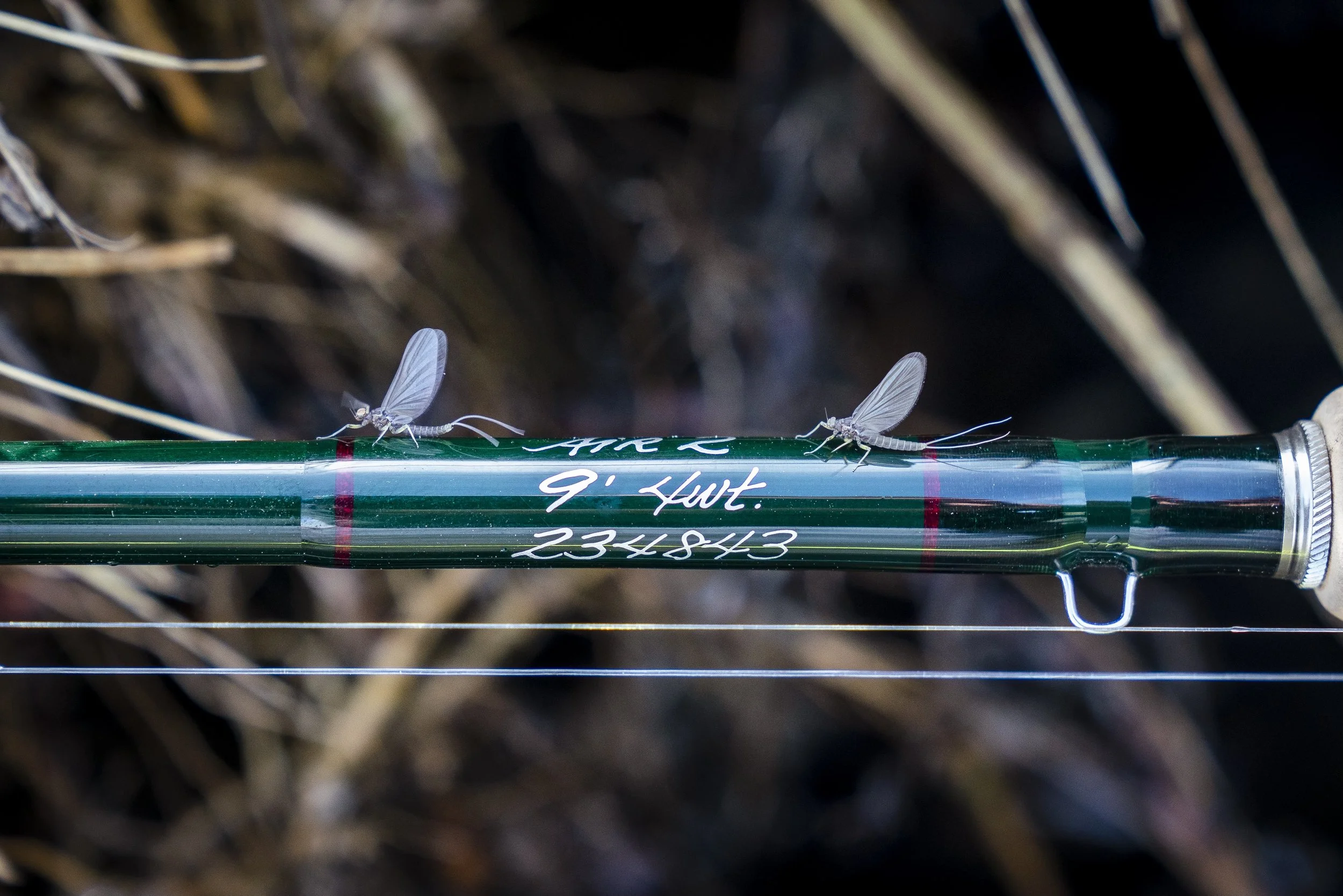
Dry Flies & Dry-Dropper Rigs (Spring Hatches)
Spring isn't just about nymphing. On the right days, anglers can experience excellent dry fly fishing during early season hatches.
Some of the most notable spring hatches in Southwest Montana include:
Blue Winged Olives (BWOs)
Skwala stoneflies
Early caddis
These hatches often happen during cloudy or warmer afternoons, and trout can feed actively on the surface.
Dry Fly Setup
Leader:
9–12 ft leader 4X-6X, for smaller dries with smaller droppers
7.5’ Leader 3X-4X, for larger skwalla patterns and heaver droppers. Will help turn over heavier rigs easier.
Tippet:
4X–6X depending on fly size and water clarity. Smaller bugs and clearer water, use thinner tippet.
Effective Spring Dry Flies
For BWO hatches:
Parachute BWO #16-18
Sparkle Dun #16-18
Film Critic #1618
Extended Body BWO #16-18
Parachute Adams/Purple Haze - larger sizes #12-14 for dry droppers, #16-18 for Single Dry Setups
For Skwala fishing:
Skwala Dry Fly
Chubby Chernobyl (olive/tan)
Olive Stimulator
Dry-Dropper
When fish are rising occasionally but not consistently, guides often run a dry-dropper setup.
Typical setup:
Dry Fly
↓
18–30 inches of tippet
↓
Small nymph (BWO or midge)
Common dropper flies:
Flashy Attractor Perdigons #16-18
BWO Emergers #16-20
BWO Nymphs #16-18
This rig allows anglers to cover both surface and subsurface feeding trout at the same time.
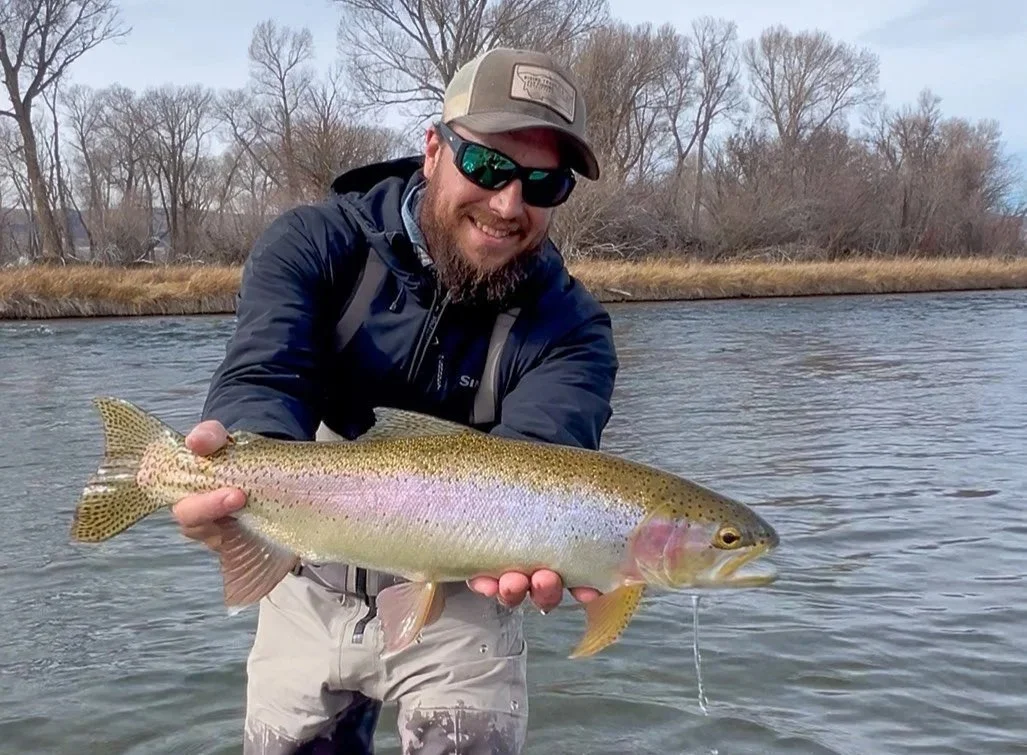
Putting It All Together
Spring fly fishing is all about adjusting to conditions and using the right rig for the moment.
Most days guiding in Southwest Montana involve rotating between these three setups:
• Double nymph rigs for consistent action
• Streamers for aggressive fish and big trout
• Dry flies or dry droppers when hatches begin
Understanding when to use each rig—and how to adjust leader length, weight, and tippet—will dramatically improve success during spring fishing.
As rivers warm heading toward April and May, fishing typically improves each week and anglers start seeing more consistent insect activity across Montana's rivers.
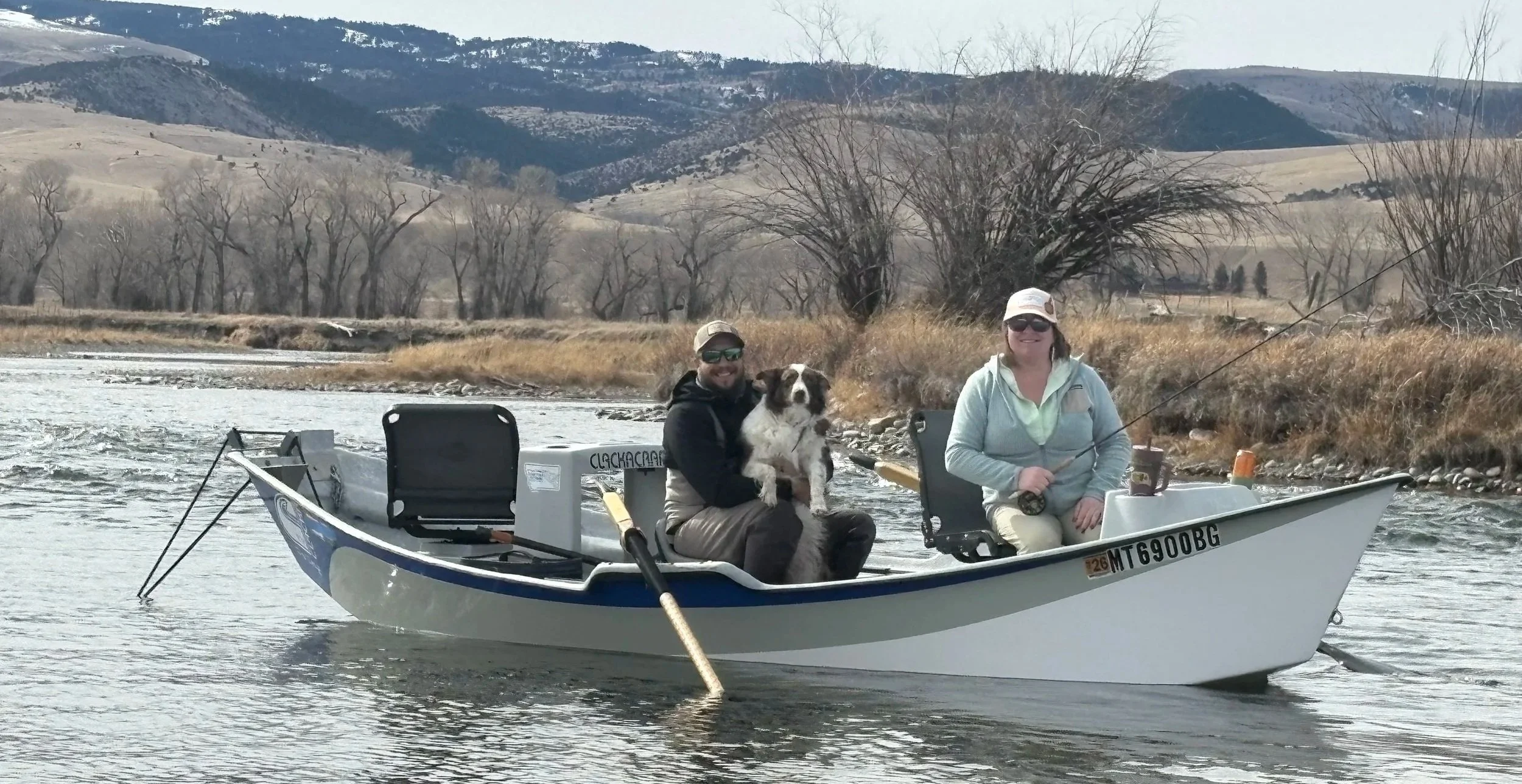
Plan Your Spring Fly Fishing Trip
Spring is one of the most underrated times to fish in Montana. Fewer anglers, hungry trout, and improving weather can make for some incredible days on the water.
If you're planning a trip to Bozeman this spring and want to learn these rigs firsthand, guided trips are a great way to shorten the learning curve and experience some of the best early season fishing Montana has to offer.