Best Spring Flies for Montana Fly Fishing: Proven Flies for the Madison & Gallatin Rivers
Best Spring Flies for Montana | Madison & Gallatin River Hatch Guide
Spring fly fishing in Montana is a season defined by transition, short windows, and rapidly changing conditions—and having the right flies in your box can make all the difference. From late winter midge fishing to Blue Winged Olive hatches, early stoneflies, and the buildup to the Mother’s Day caddis, spring offers a wide range of insects that trout key in on across southwest Montana rivers. Knowing which flies to fish—and when to fish them—is often the difference between a slow day and steady action.
This guide breaks down the best spring fly patterns for Montana, with a river-specific focus on the Gallatin River, Upper Madison River, and Lower Madison River. Below, we’ll cover the most important spring hatches, the flies that consistently match them, and how to time your approach throughout the day and season.
Gallatin River (Spring): Flies, Hatches, and When to Fish Them
Spring hatches on the Gallatin River are driven by subtle mayfly activity and consistent midge life, with Blue Winged Olives playing the biggest role as the season progresses. Early stoneflies can show on the lower river in the valley during warm afternoons, but most spring success comes from matching midges and baetis during short, weather-dependent windows.
1) Midges (March–April, and all spring long)
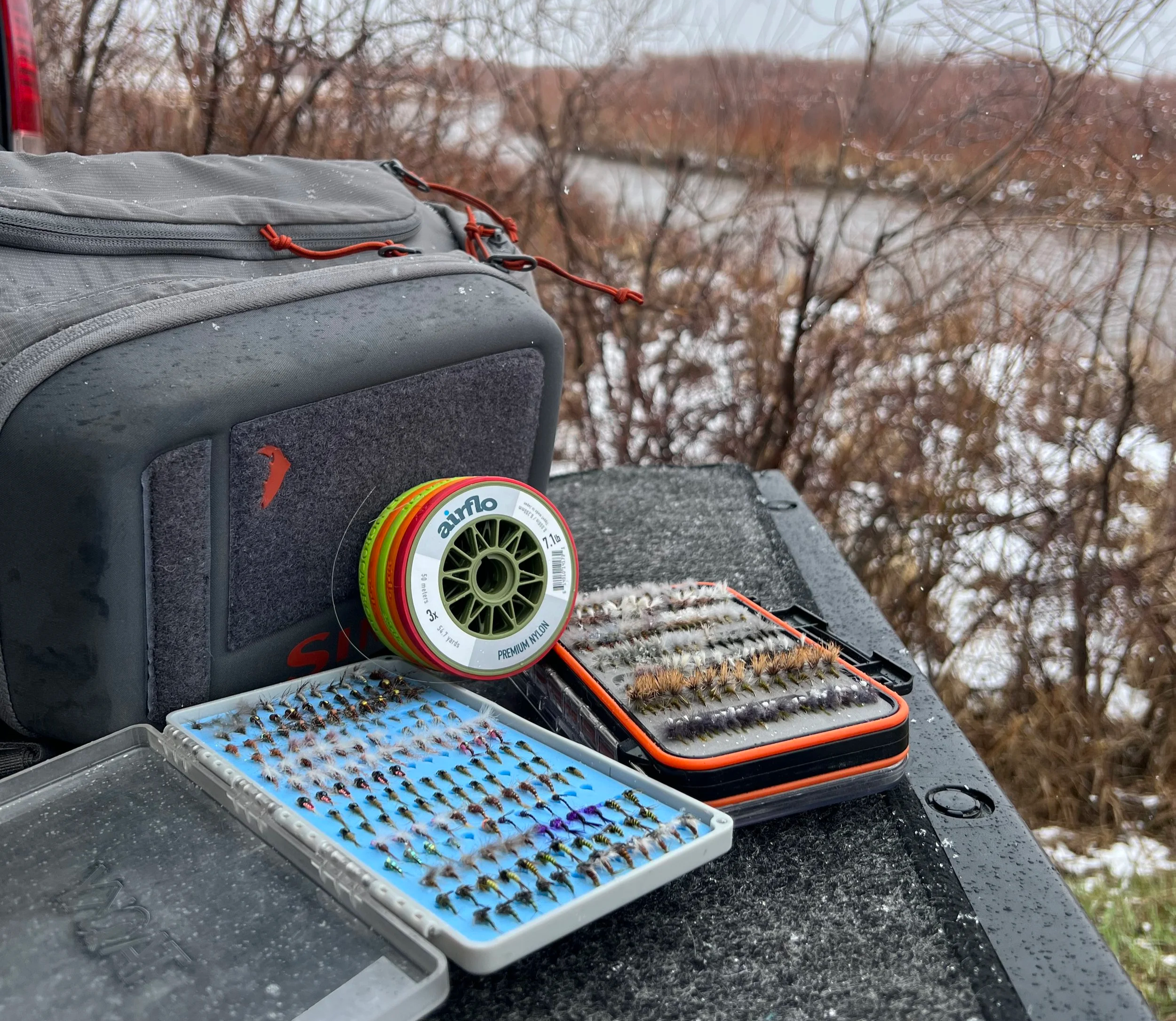
Midges are the Gallatin’s true early-season staple, especially during cold mornings and stable flows. Fish them from first light through late morning in slower seams and deeper runs where trout feed consistently. Reliable patterns include Zebra Midges (black, red or purple) in #18–22, Red or Black Midge Larva in #18–22, and simple midge pupa or emerger patterns in #18–20. These small, unassuming flies account for a large percentage of spring fish when other hatches are minimal.
2) Blue-Winged Olives / Baetis (Late March–May)
BWOs are the Gallatin’s most dependable spring dry-fly hatch, with the best days often coming during overcast or lightly rainy afternoons.
Before you see rises: Fish Split-Case BWO Nymphs, Pheasant Tails, Barr’s Emergers (fished subsurface), or Baetis Perdigons in #14–16. Spring BWOs on the Gallatin are often slightly larger than fall bugs, making these sizes ideal.
During the hatch: Switch to RS2 Emergers, BWO Cripples, or Sparkle Duns in #16–18, focusing on softer seams and tailouts.
When fish commit to the surface: Go with Parachute BWOs, Comparadun BWOs, or CDC Baetis in #16–18 for a low-profile presentation.
3) March Browns (Mid-April–May, sporadic)
March Browns on the Gallatin tend to be short-lived but memorable when they happen. Carry March Brown Nymphs, Large Pheasant Tails, or PT Variants in #12–16, along with a few March Brown Emergers. If fish begin feeding confidently on top, March Brown Duns or Parachutes in #12–14 are worth having ready.
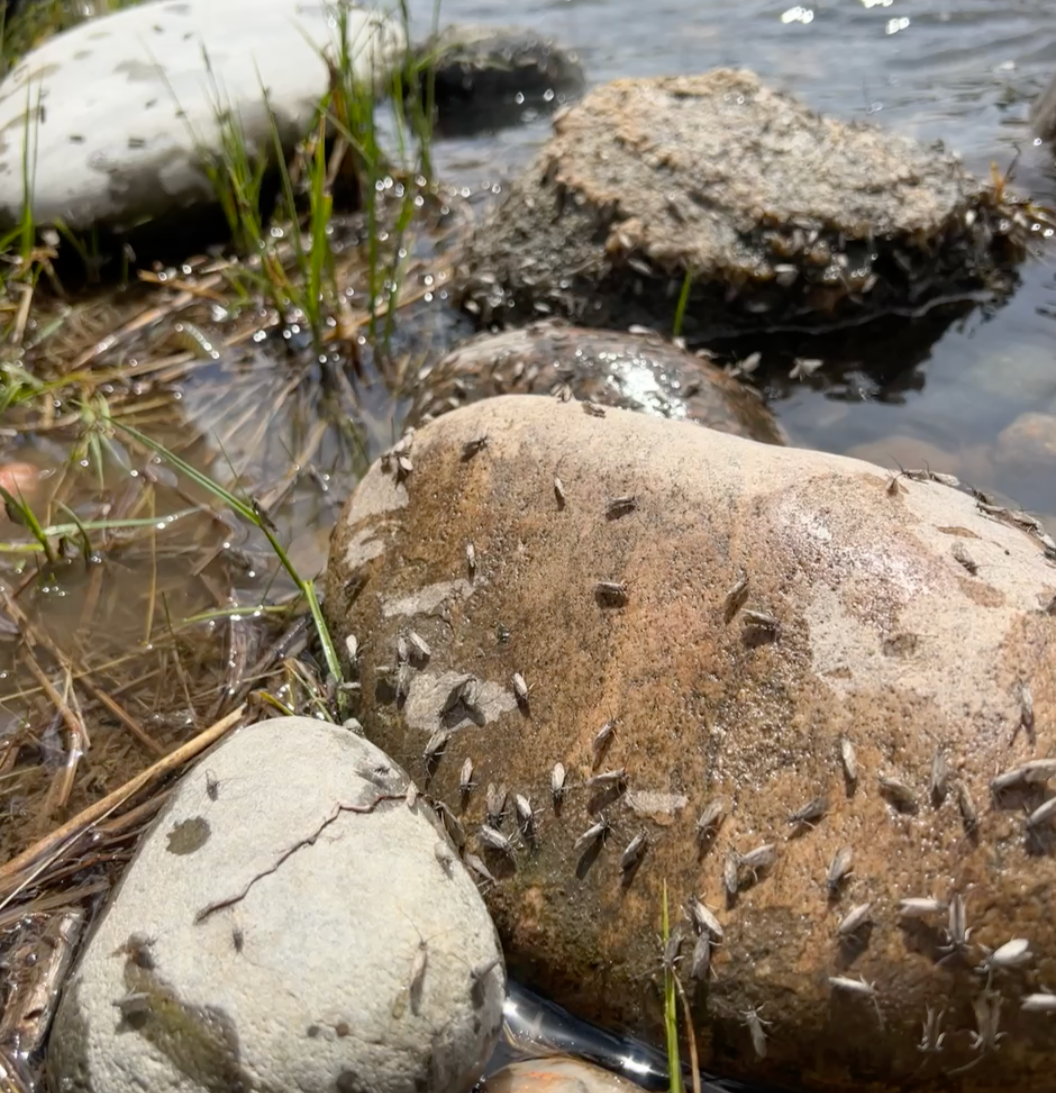
4) Skwallas / Early Stones (Lower river in the valley, April–early May)
Skwalla activity is most consistent on the lower Gallatin, where warmer temperatures trigger afternoon movement. This is rarely a true hatch situation—focus on banks. Fish Skwalla Stimulators, Clark’s Stone, or low-riding stonefly dries in #8–12 tight to grassy edges. Subsurface, Rubberlegs or Girdle Bugs in #10-14 remain effective even when adults aren’t visible.
Lower Madison River (Spring): Flies, Hatches, and When to Fish Them
1) Blue-Winged Olives (Late March–May)
The Lower Madison is one of the most consistent BWO rivers in the region during spring.
Late morning–early afternoon: Start with Split-Case BWOs, Pheasant Tails, Lightning Bugs, or Baetis Perdigons in #14–16, fished through deeper seams and softer edges.
When you spot noses: Emergers often outperform dries. Use RS2s, BWO Cripples, or Soft-Hackle BWOs in #16–18.
Surface commitment: Once trout are feeding confidently, Parachute BWOs, Comparaduns, or CDC Baetis in #16–18 are excellent choices.
2) March Browns (Late April–Mid May)
March Browns have become a more reliable presence on the Madison system. This is your chance to fish larger mayflies. Use March Brown Nymphs, Large Pheasant Tails, or PT Cripples in #10–14, and keep a March Brown Parachute or Dun in #12–14 ready if fish begin tracking adults.
3) Mother’s Day Caddis (Late April–May | peak around Mother’s Day)
The Mother’s Day caddis is the Lower Madison’s signature spring hatch, and pupa patterns are critical.
Before adults appear: Fish Olive or Tan Caddis Pupa, Bead-Head Pupa, or Soft-Hackle Caddis in #14–16 along inside bends and foam lines.
During emergence: Emergent pupa patterns and soft hackles in #14–16 shine as trout chase bugs toward the surface.
When adults are thick: Use Elk Hair Caddis, X-Caddis, or Parachute Caddis in #14–16, and keep an Egg-Laying Caddis ready for late-day return flights.
4) Midges (March–April)
Even as bigger bugs appear, midges remain important on colder days and early mornings. Zebra Midges, WD-40s, and Midge Larva in #18–20 continue to produce consistent action.
Upper Madison River (Spring): Flies, Hatches, and When to Fish Them
Spring hatches on the Upper Madison are built around midges and Blue Winged Olives, with increasing variety as April and May approach. While dry-fly opportunities can be sporadic early, warming afternoons and stable conditions can trigger excellent baetis activity and occasional early stonefly action, rewarding anglers who pay attention to timing and water temperature.
1) Blue-Winged Olives / Baetis (Late March–May)
BWOs are the backbone of spring fishing on the Upper Madison and can produce excellent dry-fly fishing when flows and temperatures stabilize.
Morning: Fish Baetis Nymphs, Pheasant Tails, Split-Case BWOs, or Baetis Perdigons in #16–20, often paired with a midge dropper.
Afternoon: Transition to RS2s, BWO Cripples, or Sparkle Duns in #18–20, then switch to Parachute or Comparadun BWOs when fish begin feeding confidently on top.
2) Skwallas / Early Stones (April–May, occasional but excellent)
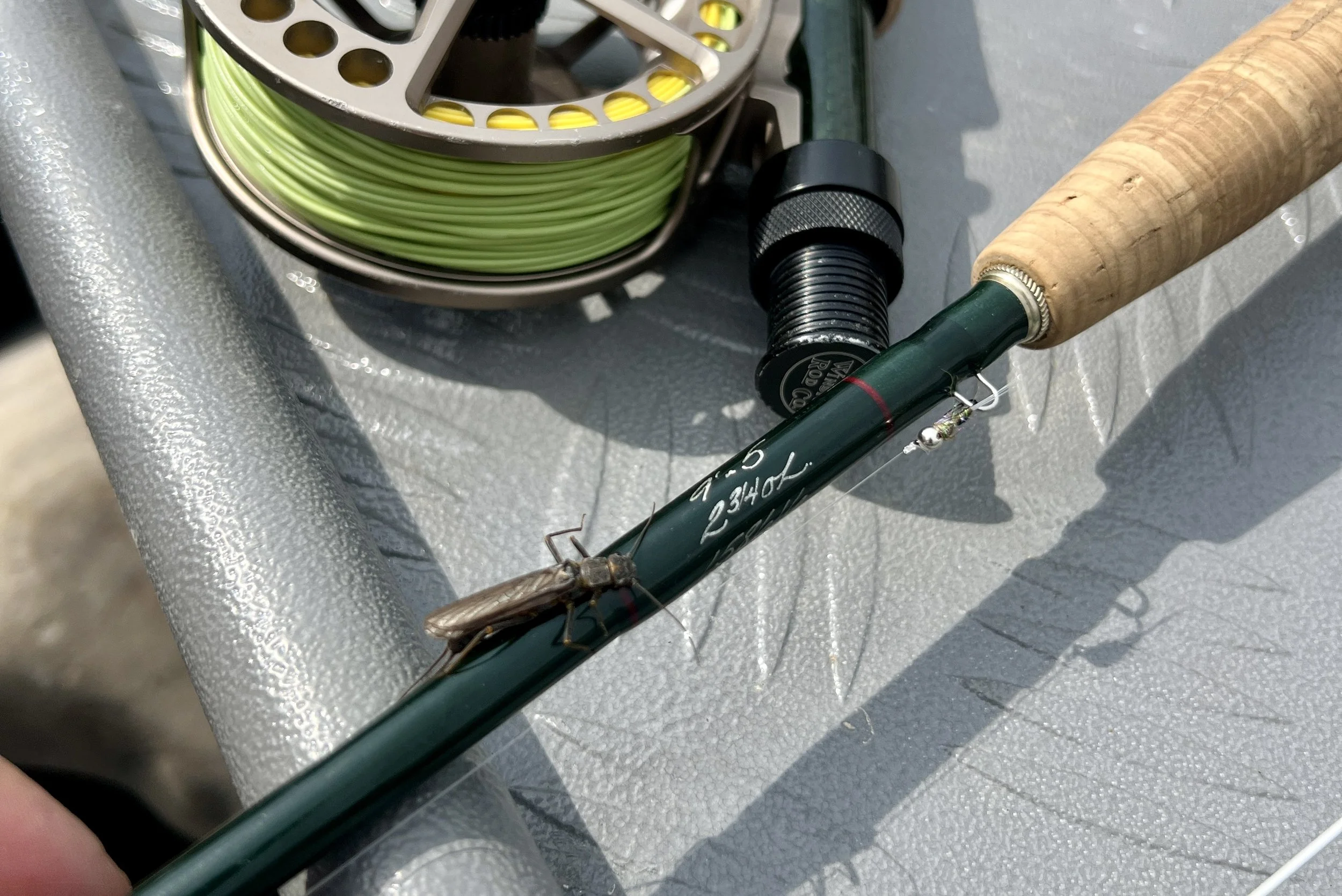
In some seasons, the Upper Madison sees solid early stonefly activity. Focus on warm afternoons and bank structure. Fish Skwalla Stimulators, Clark’s Stones, or similar dries in #8–12 along boulder edges. Subsurface, a Tan Rubberlegs or Girdle Bug in #8–10 is a reliable confidence fly throughout spring.
3) March Browns (Late April–Mid May, 2–3 week window)
The Upper Madison can see a legitimate March Brown window lasting a few weeks. Carry March Brown Nymphs, Emergers, and Cripples in #10–14, and be ready with a March Brown Parachute or Dun when fish begin feeding on top.
4) Midges (March–Early April “glue hatch”)
Midges keep the Upper Madison productive early in the season. Zebra Midges, Larva, and Tiny Emergers in #18–22 help bridge the gap until the larger spring hatches fully take over.
Final Thoughts on the Best Spring Flies for Montana
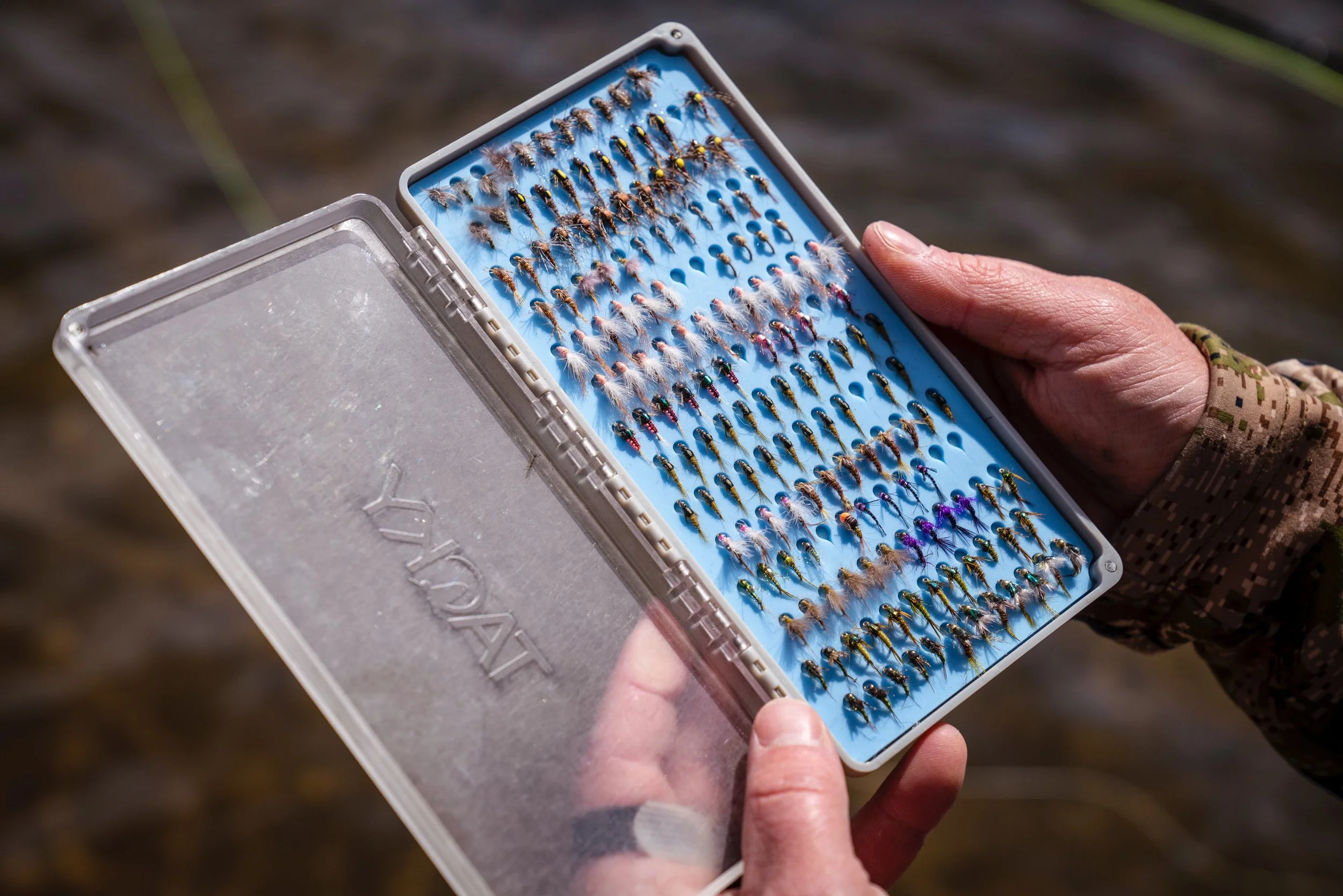
Spring fly fishing in Montana is all about timing, adaptability, and having the right flies ready when conditions line up. From midge-driven mornings and dependable BWO hatches to early stoneflies and the buildup to the Mother’s Day caddis, spring rewards anglers who understand both the insects and the rivers they fish. While no single fly works every day, carrying a well-rounded spring fly box—and knowing when to fish each pattern—puts you in position to capitalize on short but productive feeding windows across the Gallatin, Upper Madison, and Lower Madison.
If you want to take the guesswork out of spring fishing and focus on fishing the right water at the right time, book a spring trip with Rising Trout Fly Fishing Outfitters. With local knowledge, flexible tactics, and a deep understanding of Montana’s spring hatches, we’ll help you make the most of this dynamic season—whether that means nymphing deep, swinging streamers, or casting dries when the bugs start popping.