Spring Fly Fishing in Montana: Best Rivers, Flies & Hatch Guide
Spring Fly Fishing Near Bozeman, Montana
Best Rivers, Timing, and Flies for Early Season Success
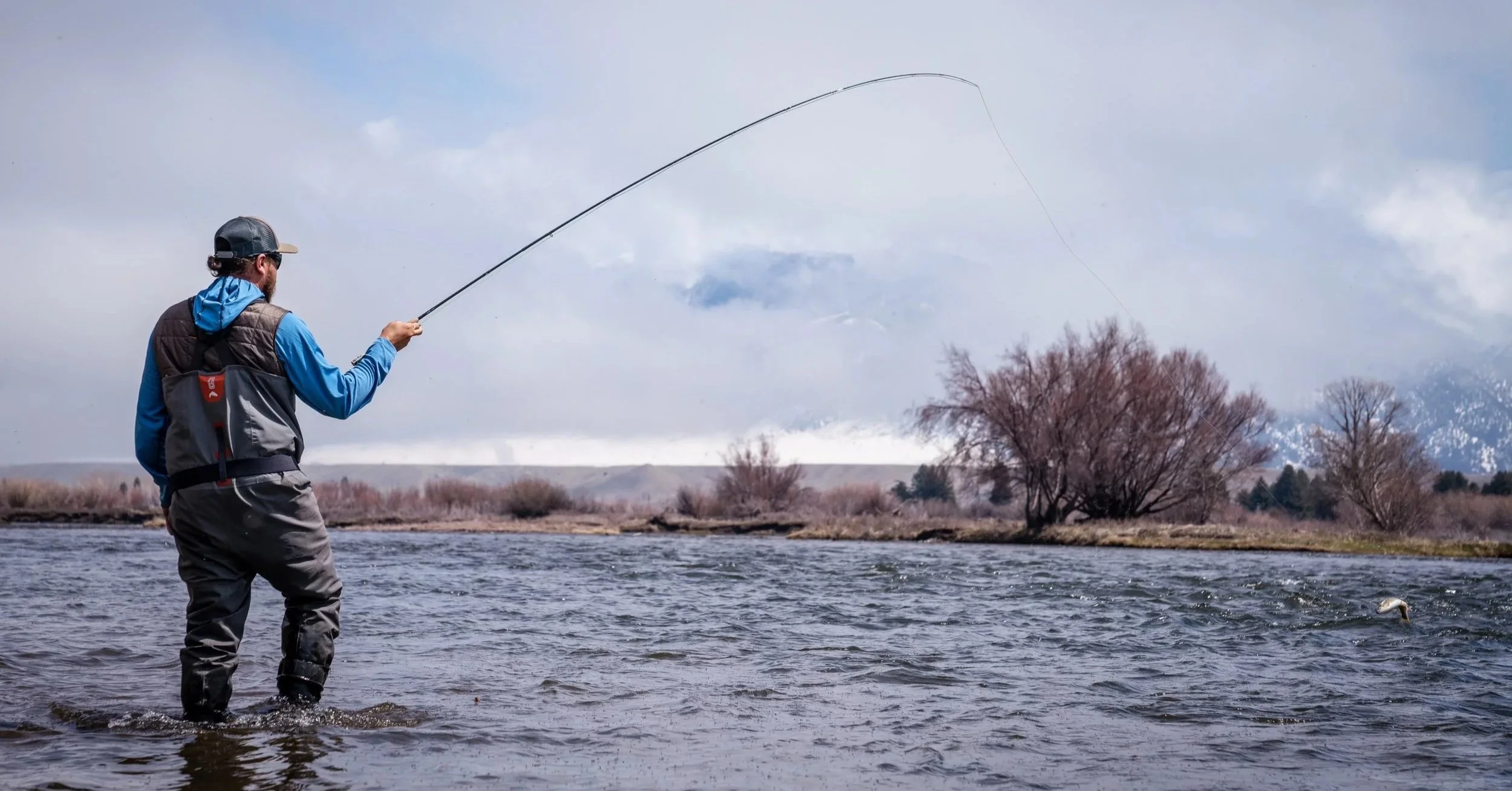
Spring fly fishing near Bozeman, Montana is a season of transition—and for anglers who understand it, one of the most rewarding times of the year to be on the water. As winter loosens its grip and rivers begin to wake up, trout become more active, crowds stay light, and fishing opportunities shift daily based on weather, snowpack, and runoff timing.
Whether you’re visiting Southwest Montana in March or April or you’re a local looking to get an early-season fix, this guide breaks down where to fish, what techniques work best, and how to adjust as spring conditions change on the Madison, Gallatin, and Yellowstone Rivers.
What Makes Spring Fly Fishing Near Bozeman Unique?
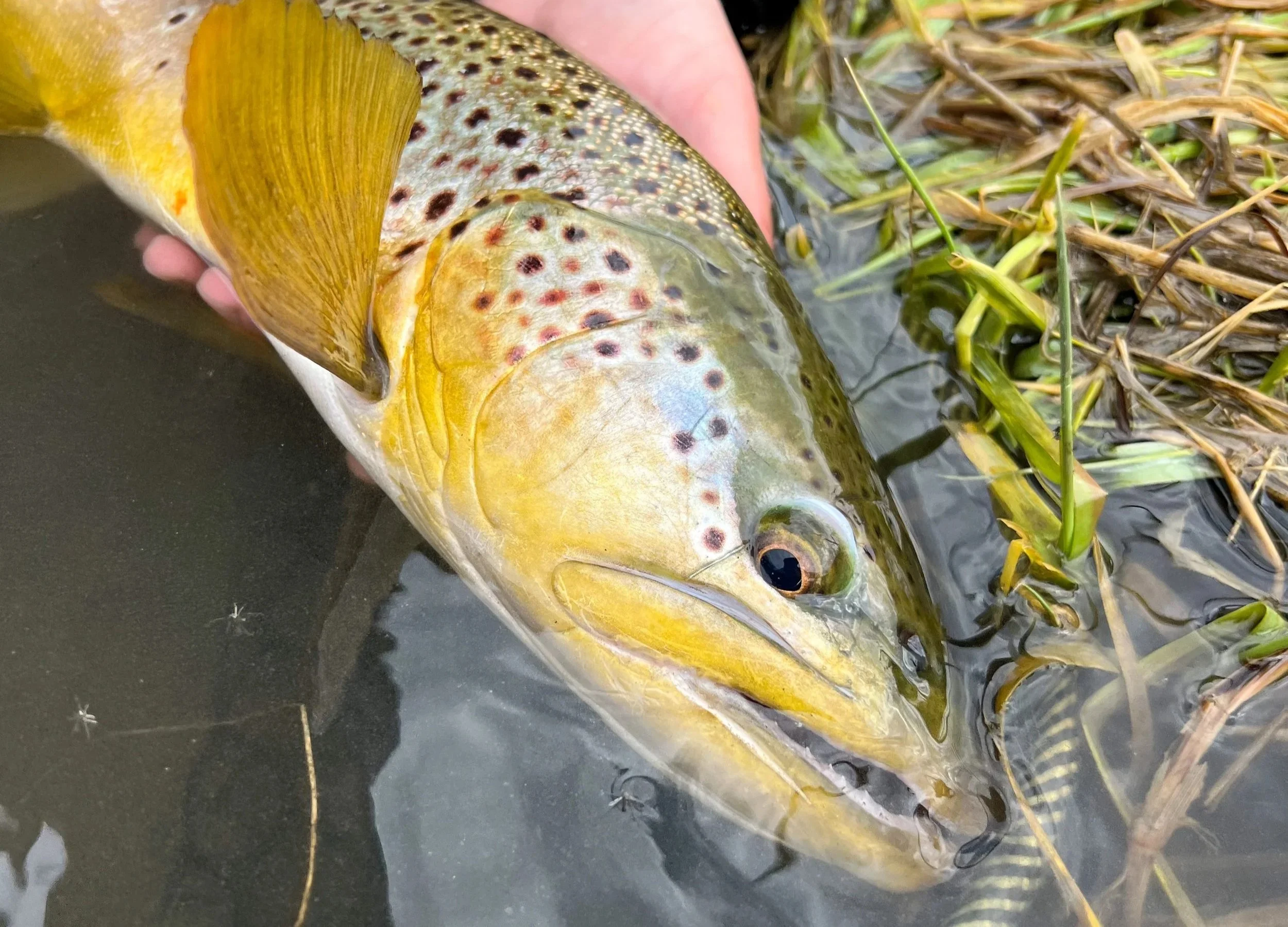
Spring fly fishing is anything but predictable, and that’s exactly what makes it so appealing—and at times, so challenging. Conditions can change quickly, sometimes overnight and even during the same day. Cold mornings, warming afternoons, shifting weather patterns, and fluctuating flows all influence how trout feed and where they hold. One day might offer quiet water, aggressive fish, and the season’s first dry-fly opportunities, while the next brings rising flows or cold temperatures that push fish back into slower, more protected lies. Anglers who love spring fishing appreciate the solitude, the return of bug life, and the chance to intercept trout feeding in shallow water after a long winter. At the same time, success requires flexibility, patience, and a willingness to adjust tactics throughout the day—understanding when to nymph deeper, when to fish the banks, and when warming afternoon temperatures can flip the switch and bring fish to the surface.
What anglers love about spring:
Fewer anglers compared to summer
Aggressive trout coming out of winter
Excellent nymphing and streamer fishing
Occasional but exciting dry-fly opportunities
What makes spring challenging:
Variable weather (snow one day, sun the next)
Cold mornings and short feeding windows
Runoff timing that changes year to year
The key is knowing when to fish, where to focus, and how to adjust tactics as rivers respond to spring conditions.
Best Rivers for Spring Fly Fishing Near Bozeman
Lower Madison River – Spring Consistency
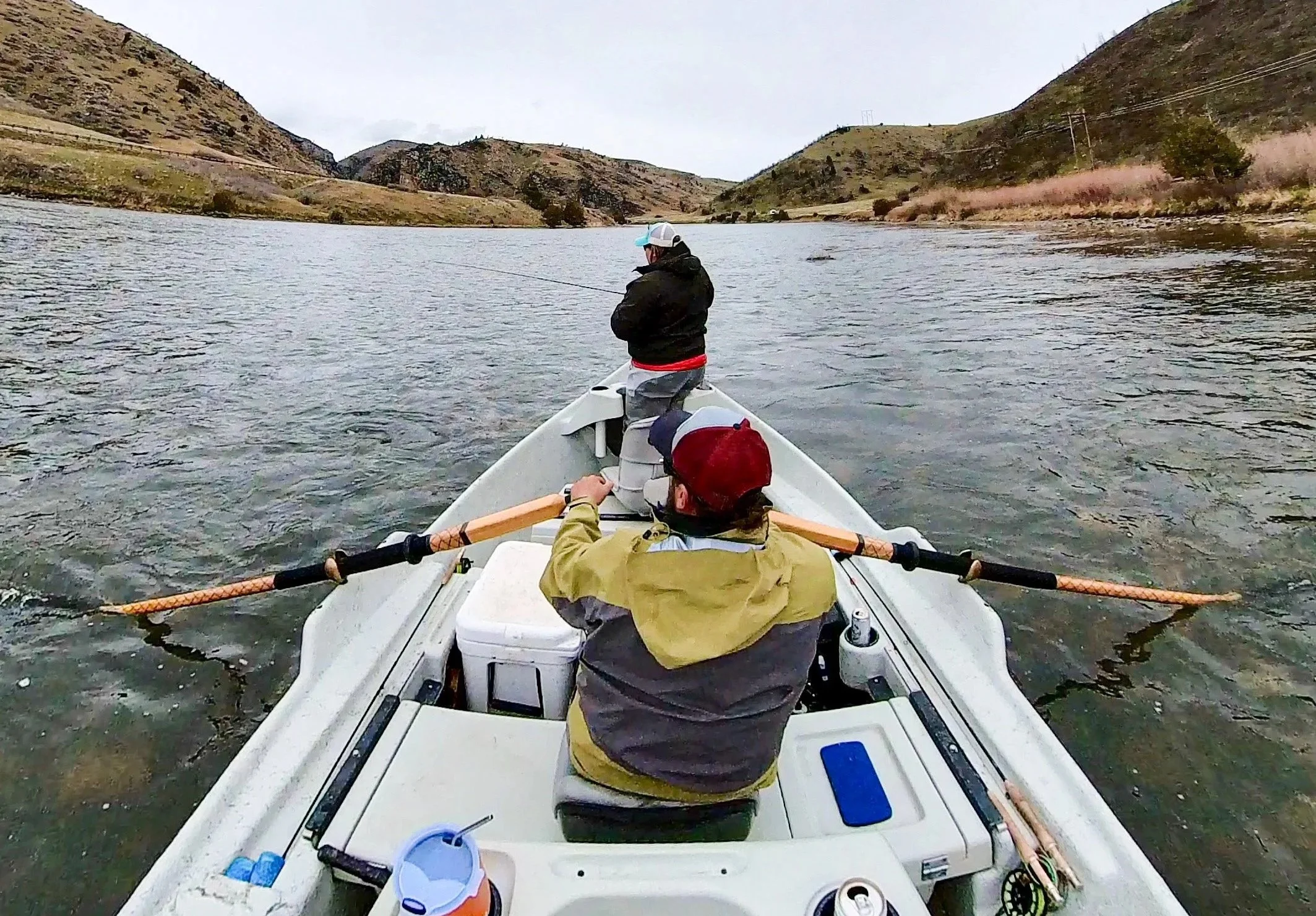
The Lower Madison River is one of the most reliable spring fisheries near Bozeman. Thanks to its consistent flows, excellent access, and healthy populations of wild brown and rainbow trout, it fishes well from March through May. As a tailwater, the Lower Madison is far less affected by spring runoff than freestone rivers. While a few small tributaries can add some color during peak runoff, the river generally remains clear and fishable.
Located in a well-known “banana belt,” the Lower Madison warms earlier than many surrounding rivers, which can jump-start spring activity. This often means earlier opportunities for dry fly fishing. Anglers can expect early-season mayfly hatches like Blue-Winged Olives and March Browns, with the famous Mother’s Day Caddis typically arriving in early May.
When trout aren’t keyed in on surface activity—or when weather conditions aren’t ideal—nymphing remains consistently productive. Those same insects are active below the surface, making subsurface patterns a reliable option throughout the spring. Fishing a larger attractor like a crayfish or worm with mayfly nymphs, caddis nymphs, or tailwater scuds dropped below is an effective way to cover water and catch fish consistently all season long.
Streamer fishing also begins to pick up in the spring as trout look for larger meals and baitfish and crayfish become more active. Swinging streamers through deeper runs and along structure can be very effective, and adjusting your retrieve to match the day’s water temperature, clarity, and flow is key. Varying speed, depth, and presentation often makes the difference in getting fish to fully commit to the streamer.
Best spring techniques:
Nymphing with midges, mayflies, tailwater patterns like scuds and sow bugs, Crayfish and Large trash flies like worms (During off Color Water)
Streamers during low light or overcast afternoons (Small Baitfish patterns and Crayfish)
Return of more consistent dry fly fishing, Mayflies, Caddis and Yellowsallies.
Learn more about Fishing the Lower Madison River:
Upper Madison River Spring Fly Fishing
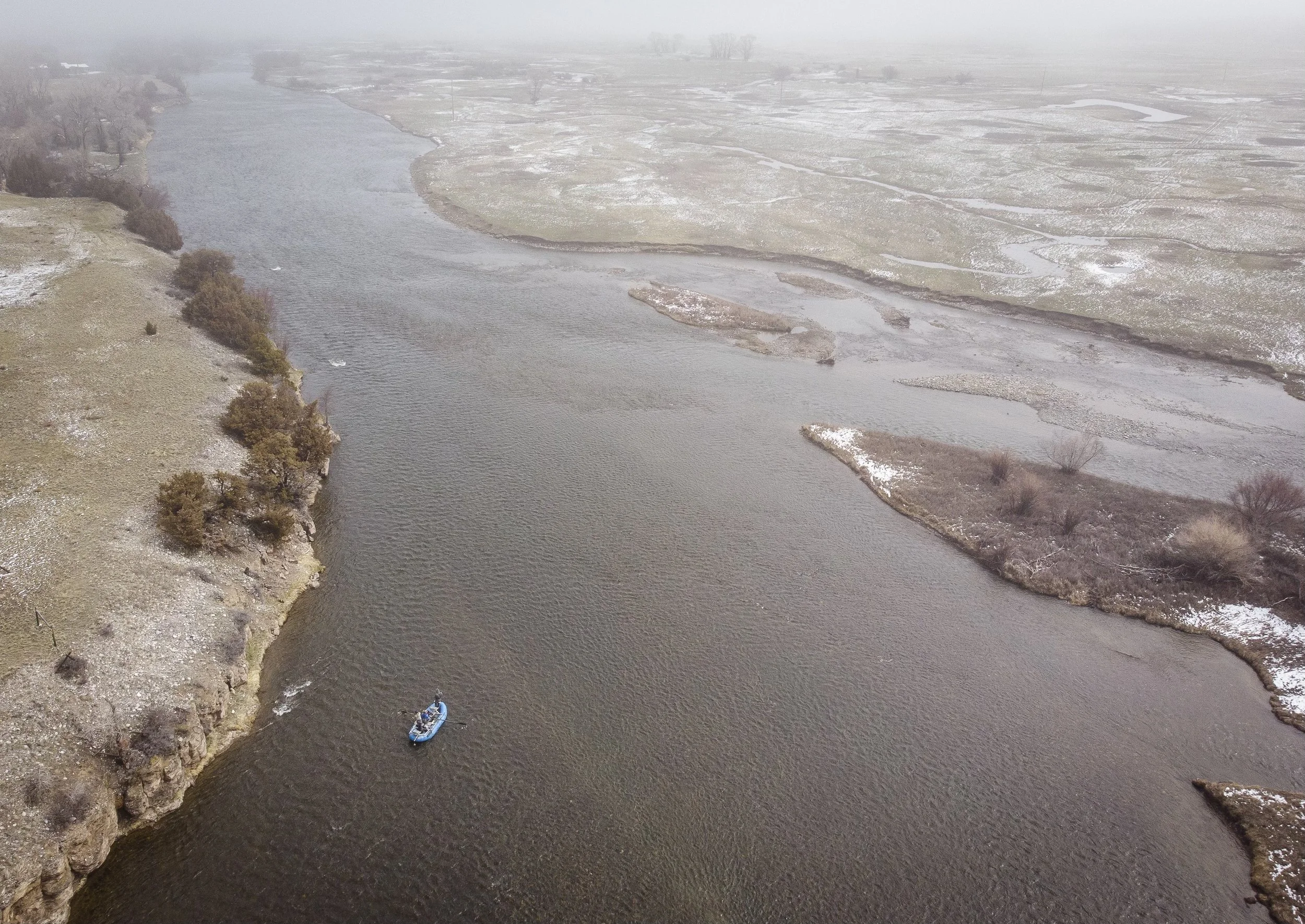
The Upper Madison River is one of the most iconic spring fly fishing destinations in Montana, and for good reason. Flowing from Hebgen Dam through the famous “50-Mile Riffle,” this stretch offers consistent flows, excellent access, and a healthy population of wild brown and rainbow trout. In early spring, the Upper Madison often fishes better than many freestone rivers because dam-controlled flows help moderate sudden runoff spikes, keeping water clearer and more predictable.
Spring fishing on the Upper Madison is primarily a nymphing and streamer game, with trout holding in softer edges, seams, and deeper runs adjacent to faster current. Rubberlegs, stonefly nymphs, midges, and baetis patterns are all staples, especially during the late morning and afternoon when water temperatures rise. Streamer fishing can also be very productive on cloudy days or during warming trends, with fish willing to move in classic bank structure and transition zones.
Dry fly opportunities on the Upper Madison in early spring are often subtle but well worth paying attention to, especially during skwalla season. From late February through March and into April, skwalla stoneflies become one of the river’s first meaningful surface opportunities as water temperatures creep into the low-40s and flows remain stable below Hebgen Dam. On warm or overcast afternoons, trout slide into shallow, boulder-strewn edges of the 50-Mile Riffle to feed on migrating nymphs and adult skwallas crawling out along the banks. Blue Winged Olive hatches can also overlap during stable weather, creating short but rewarding dry-fly windows. While these opportunities may not be consistent day to day, the Upper Madison remains a dependable spring option for anglers looking for classic Montana water, technical drifts, and the chance at strong early-season dry-fly action before runoff.
Learn more about Fly Fishing the Upper Madison River:
Gallatin River – Prime Spring Water
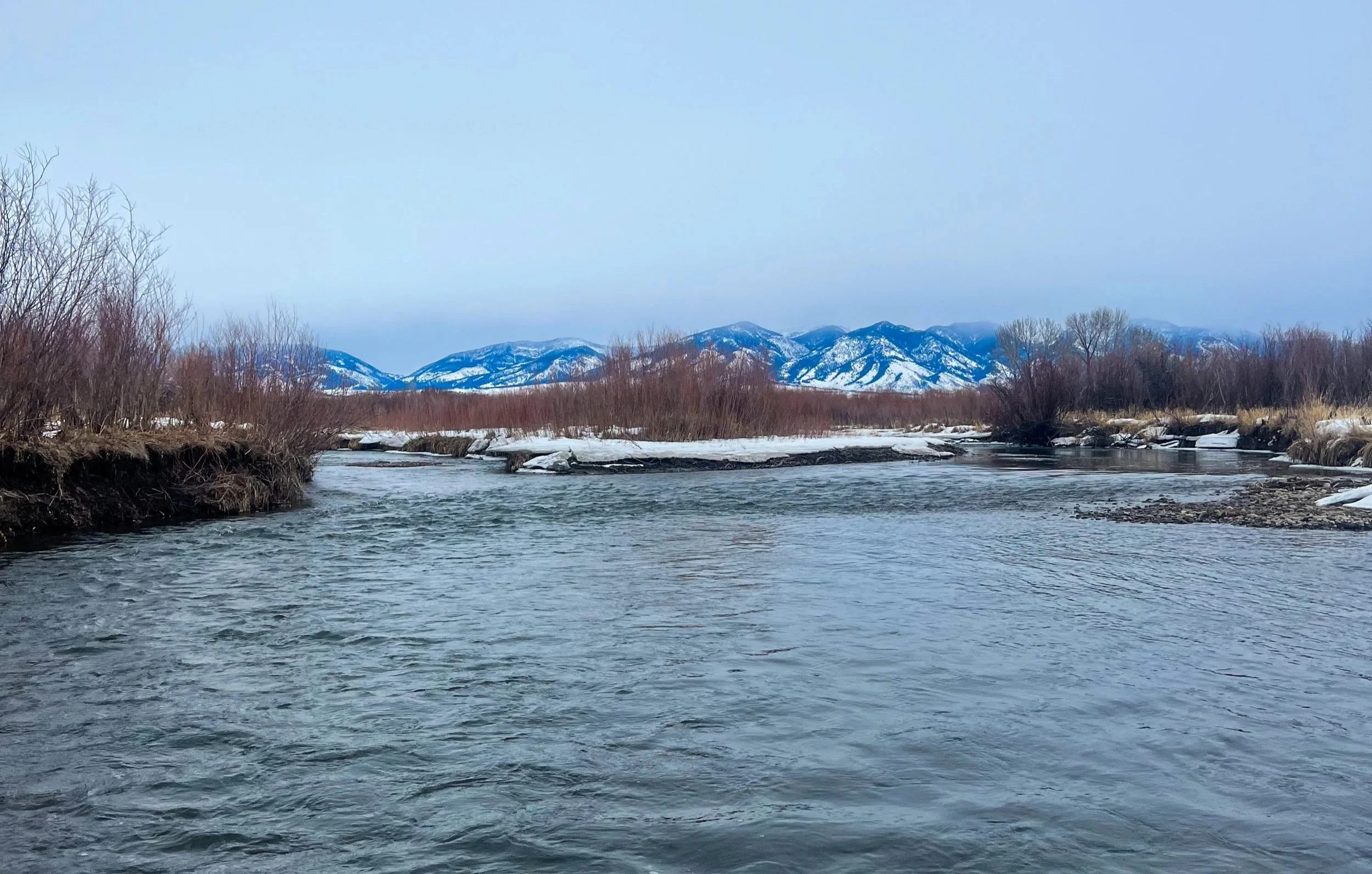
The Gallatin River is a favorite spring fishery near Bozeman, especially for anglers chasing aggressive streamer action and diverse fly fishing opportunities. As water temperatures rise with warming spring weather, trout become more active and begin to key in on larger prey, making the Gallatin a consistent destination for early-season streamer fishing. Casting and stripping streamers along cutbanks, undercut banks, rock walls, deep runs, and pocket water can produce some of the best trout of the season, particularly from late March through April as fish transition out of their winter patterns and start targeting baitfish.
Streamer anglers often find success without needing a heavy sinking line — many guides start the day with a floating line on a 5– or 6-weight, nymphing in the morning before switching to streamers in prime lies on the return. Adjusting your retrieve to match the day’s water temperature, clarity, and flow — varying speed, depth, and cadence — is crucial to enticing aggressive strikes.
Nymphing remains one of the Gallatin’s most productive spring techniques as well. Big stonefly nymph patterns like rubberlegs and girdle bugs are excellent choices when trout are looking for a substantial meal after winter. These larger nymphs, fished on an indicator or as part of a two-fly rig, often trigger strong takes in deeper water where trout feed between surface opportunities.
When flows are stable and conditions line up, spring dry fly fishing on the Gallatin River can be surprisingly productive. Skwalla stoneflies tend to show more consistently on the lower stretches of the river in the valley, where warmer afternoon temperatures trigger nymph movement and occasional adult activity along grassy banks and slower edges. Early mayfly hatches—especially Blue-Winged Olives—frequently bring trout to the surface on overcast days, while March Browns make sporadic appearances as spring moves along. As the season progresses closer to summer and before runoff takes hold, the Mother’s Day caddis hatch can offer some of the most consistent dry-fly opportunities of the spring, rewarding anglers who time conditions carefully and focus on softer water and bank structure.
Because the Gallatin is a freestone river, snowmelt runoff timing can dramatically affect clarity and fishability. During periods of rising water or color, switching back to streamers or bigger nymphs often yields better results than trying to chase sporadic surface activity.
Overall, the Gallatin in spring offers dynamic, multi-method fishing that rewards anglers who are prepared to adapt throughout the day — from nymph rigs and swinging streamers to dry fly windows when bugs and conditions line up just right.
The Gallatin can become challenging during peak runoff, but March through April and even Early May often offers excellent opportunities before flows spike.
Best spring techniques:
Streamers
Nymphing deeper slots and seams
Dries on overcast days
Learn more about fishing the Gallatin River:
Spring Hatches in Montana (March–May)
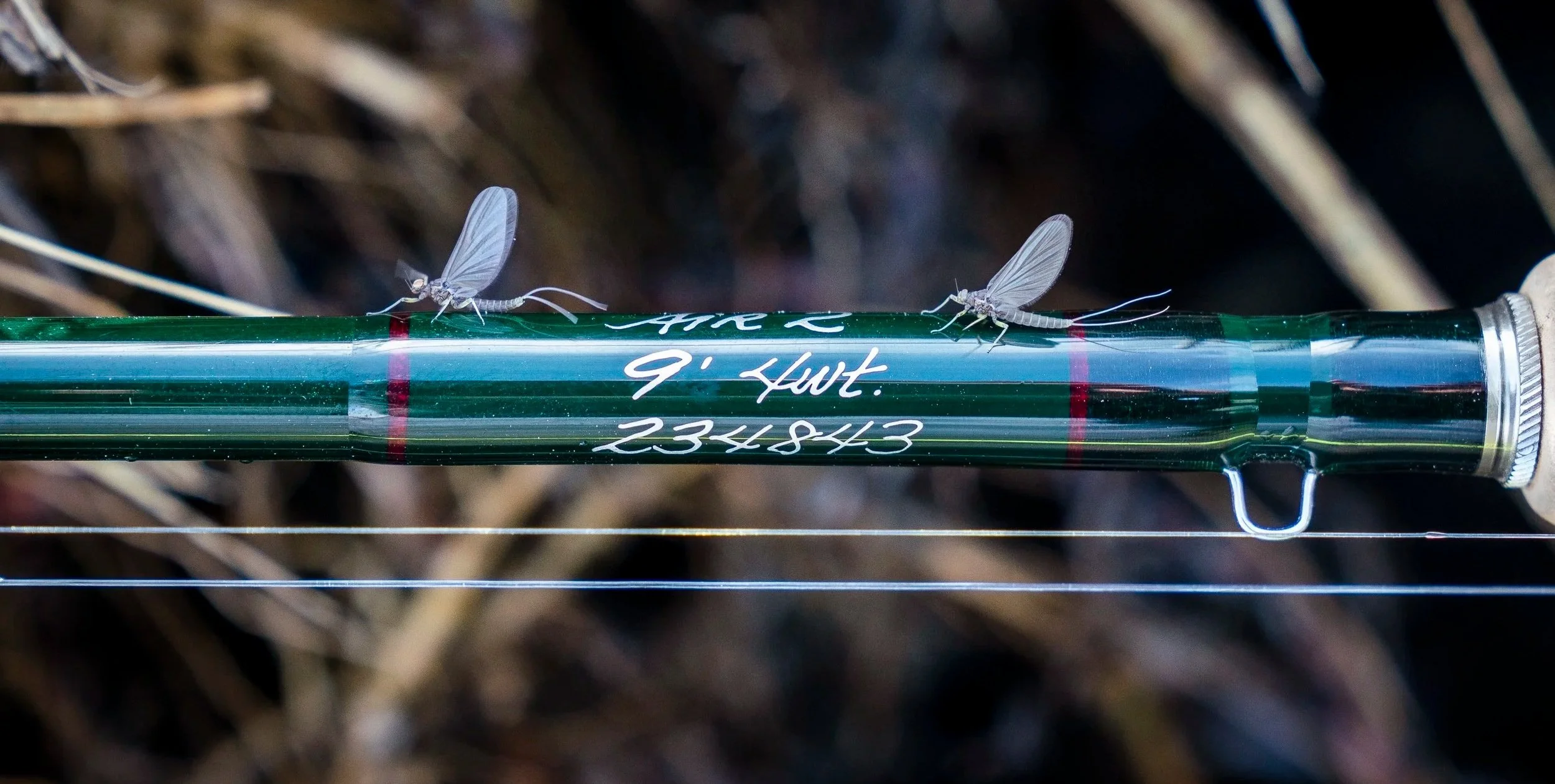
Spring fly selection in Montana evolves quickly as rivers transition from winter conditions to runoff and early summer flows. While most spring fishing is still subsurface, understanding how flies and hatches change from March through May helps anglers stay one step ahead as water temperatures, flows, and trout behavior shift throughout the season.
March: Winter Holdovers and Early Movement
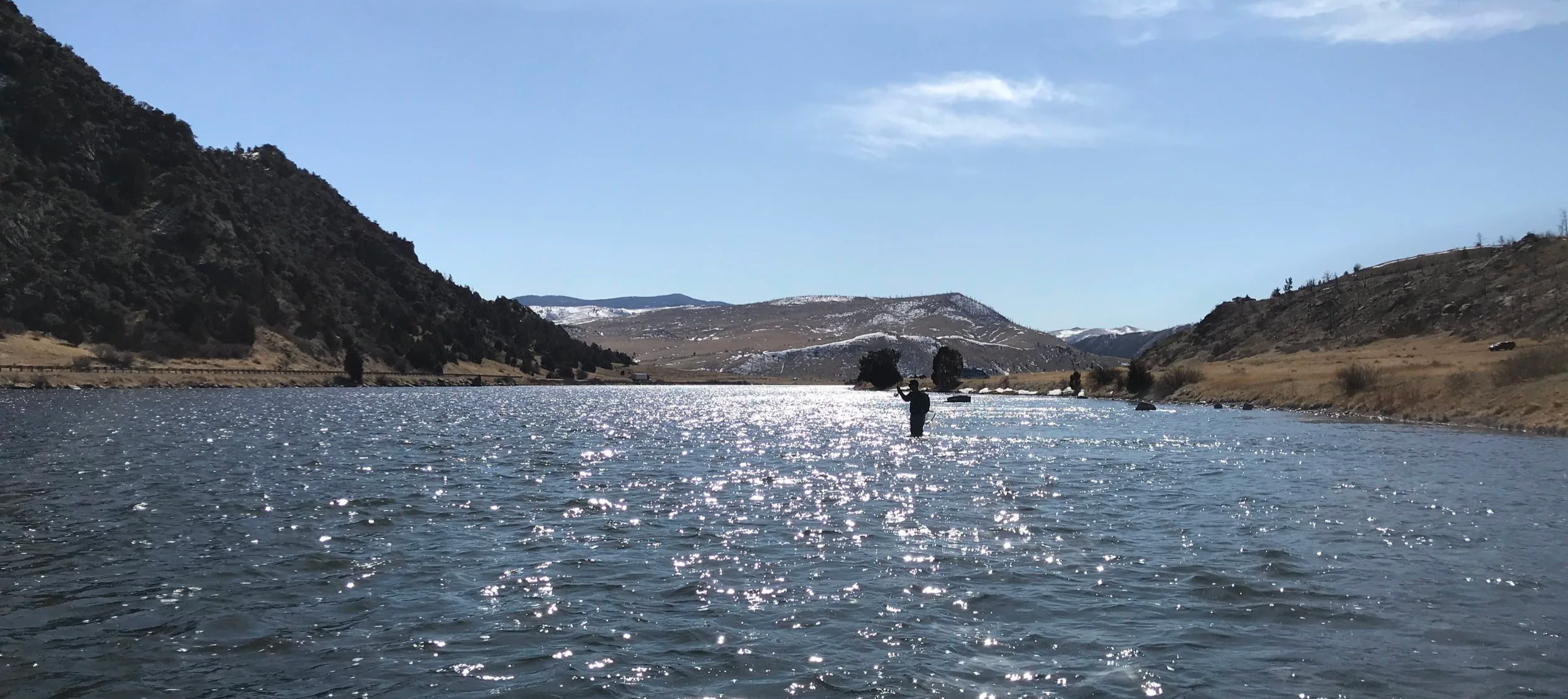
March fly fishing in southwest Montana is dominated by subsurface insects and the first stirrings of classic spring hatches, and the Madison and Gallatin Rivers are no exception. Cold water temperatures keep trout focused on what’s available near the bottom, making midges the foundational food source throughout March. Zebra midges, small midge larva and pupa patterns, Griffiths gnats and Sprout Midge Dries are consistently effective in slow runs, deeper seams, and soft edges where trout feed steadily. On both rivers, midges can hatch sporadically even in cooler conditions, and trout often key in on them aggressively beneath the surface before other insect activity builds. As the month progresses and water temperatures creep upward, BWO nymphs begin to become more active, providing an added eating option for trout in deeper water and setting the stage for surface activity later in the season.
As March transitions toward April, dry-fly opportunities become increasingly possible on calm, mild afternoons, especially when Blue Winged Olive mayflies start hatching in earnest toward the end of the month. While consistent dry fly action is still uncommon this early in the season, trout will rise during windows of warm, overcast weather to sip small mayfly emergers and duns, and even larger patterns like March Browns can begin emerging in the very late part of the month under the right conditions. Although skwalla stonefly activity is technically possible in March in broader Montana waters, on the Madison and Gallatin this hatch is generally a later spring phenomenon and more noticeable in lower, warmer stretches. Thoughtful preparation with midges, small mayfly nymphs, and early BWO patterns — and keeping an eye on afternoon warming trends — gives anglers the best shot at early dry-fly looks before the definitive spring hatch period arrives.
For a complete month-by-month breakdown of fly patterns, hatch timing, and river-specific recommendations, check out our full guide:
Read more: Best Flies for Spring Fly Fishing in Montana
April: Prime BWO and Transition Month
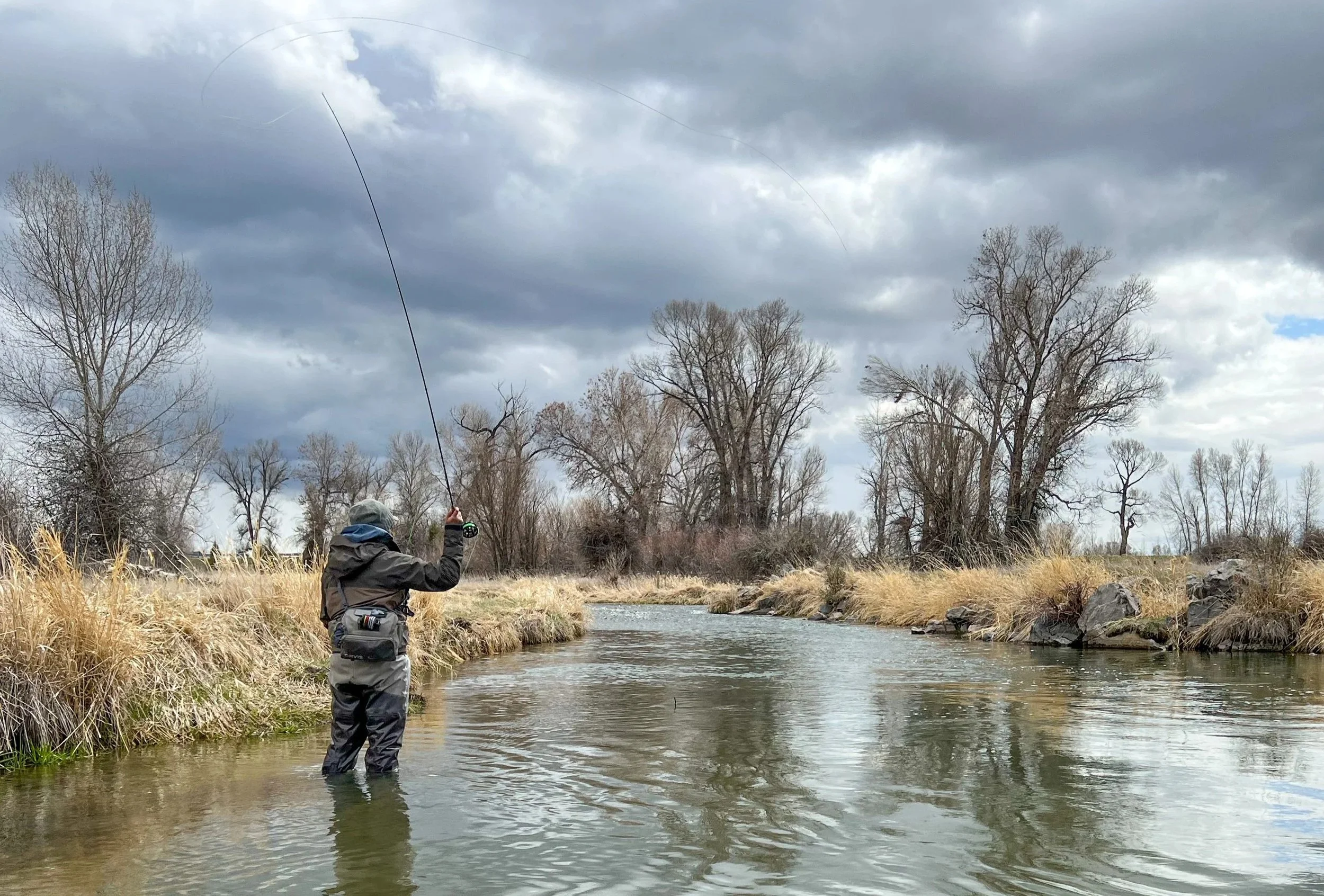
April on the Madison and Gallatin Rivers marks one of the most underrated periods of true spring hatch activity in southwest Montana, blending reliable subsurface action with emerging dry-fly windows. Midges still hatch strongly early in the month, but as water temperatures gradually rise, Blue Winged Olives (BWOs) become one of the dominant mayfly hatches on both rivers, often emerging on mild, calm, or overcast afternoons and drawing trout to the surface. In addition to BWOs, the Madison can see March Brown mayflies begin to show by late April, offering larger targets for trout. On the Gallatin, BWO activity also increases through April, though surface action remains sporadic and weather-dependent, and nymph rigs remain the most consistently productive presentation for hungry trout holding in cold water.
By mid to late April, dry-fly opportunities become more legitimate before runoff begins to dominate flows, especially on calm days when insects are actively emerging. In some years, skwalla stoneflies and the very earliest caddis species can begin to stir on the Madison during warm periods later in the month, adding variety to your fly selection and rewarding anglers paying attention to warming trends. Meanwhile, on both rivers, nimble anglers who carry a range of patterns—from small midge emergers and BWO dry flies to larger mayfly emergers and early stonefly imitations—are best positioned to take advantage of the balanced April mix of subsurface feeding and rising trout that make this month such a sweet spot in the spring season.
For a complete month-by-month breakdown of fly patterns, hatch timing, and river-specific recommendations, check out our full guide:
Read more: Best Flies for Spring Fly Fishing in Montana
May: Bigger Flies and Runoff Adjustments
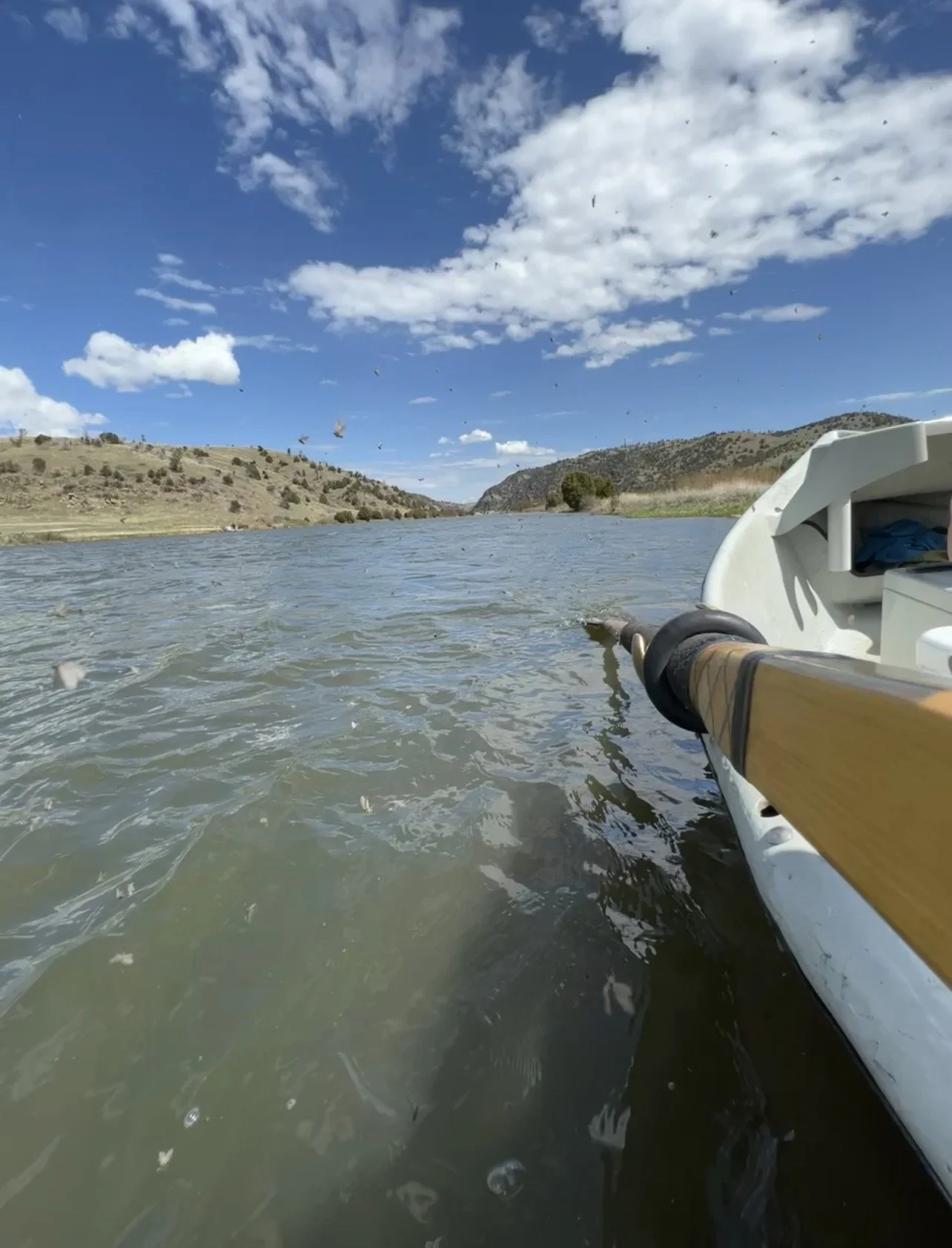
Depending on how quickly things warm up, by May, many rivers are approaching or entering runoff, and fly selection shifts toward larger, more visible patterns. Worm patterns, stonefly nymphs, and larger attractor nymphs become effective as flows rise and water colors up. Streamer fishing can be excellent along soft edges and flooded banks. Dry fly fishing becomes more limited on freestones, but understanding where and when to fish makes all the difference during this transitional month. One notable exception is the Mother’s Day Caddis hatch, which can offer some of the most exciting dry fly fishing of the spring—especially on the Lower Madison River. When flows and temperatures line up, caddis adults and emergers can bring aggressive trout to the surface, creating fast-paced fishing with skittering dries and swinging soft hackles. At times it can look like its snowing with caddis.
For a complete month-by-month breakdown of fly patterns, hatch timing, and river-specific recommendations, check out our full guide:
Read more: Best Flies for Spring Fly Fishing in Montana
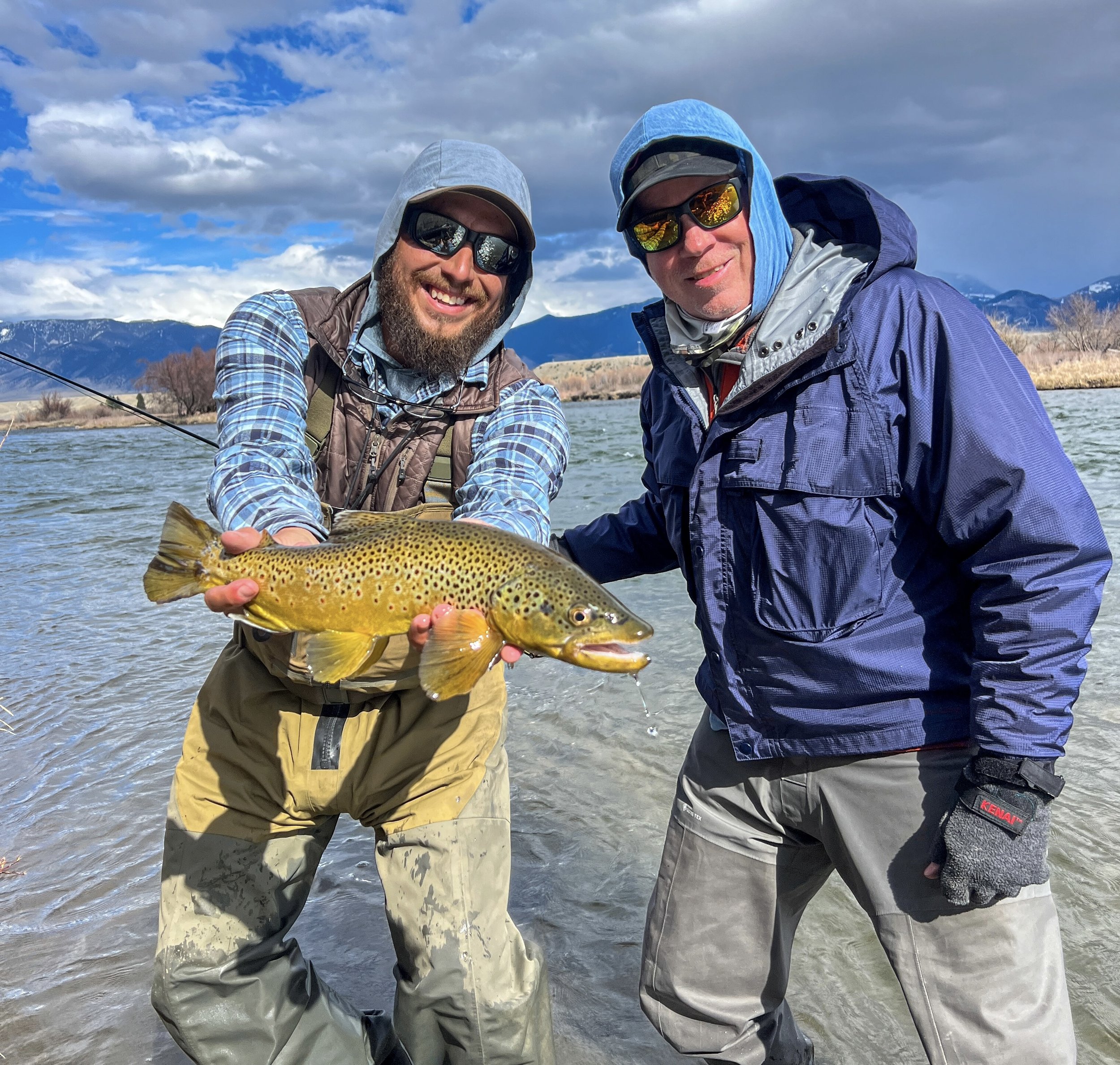
Final Thoughts on Spring Fly Fishing Near Bozeman
Spring fly fishing near Bozeman, Montana is all about timing, flexibility, and understanding how changing conditions affect trout behavior. From early-season nymphing and streamer fishing in March, to BWO hatches in April and the potential excitement of the Mother’s Day Caddis in May, spring offers a wide range of opportunities for anglers willing to adapt. With fewer crowds and hungry fish, it’s one of the most underrated times of year to experience Montana’s rivers.
Choosing the right river on the right day is the key to success in spring. Weather, flows, and clarity can vary quickly, which is why having local knowledge makes such a difference. Whether you’re visiting for a few days or looking to get out early in the season, spring rewards anglers who fish smart and stay flexible.
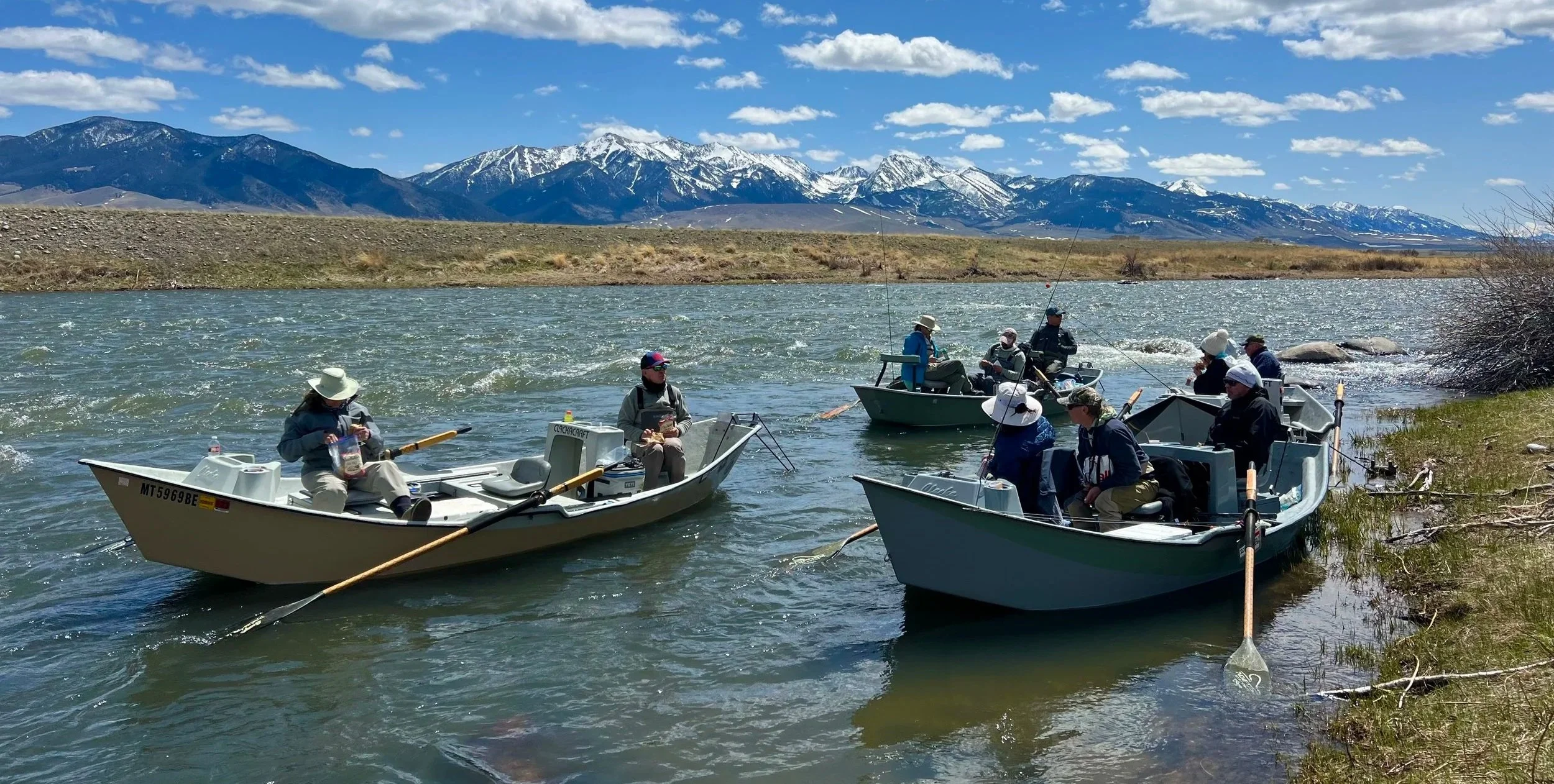
Book a Spring Fly Fishing Trip Near Bozeman
If you’re planning a spring trip to Southwest Montana—or want help navigating early-season conditions—we’d love to get you on the water. Our guided spring fly fishing trips focus on finding the best river each day, dialing in effective flies and techniques, and making the most of Montana’s early-season fishing opportunities.