Fly Fishing During Spring Runoff in Montana: Where to Fish Near Bozeman
Montana Spring Runoff Fly Fishing: Where to Fish the Madison, Gallatin, Yellowstone & Missouri
Every year in Montana, spring runoff becomes one of the most talked-about parts of the fly fishing season. As mountain snow begins to melt, rivers across Southwest Montana rise quickly and freestone rivers often turn high and muddy. Runoff typically begins sometime around the middle of May, when warm days and melting snowpack send flows surging to their highest levels of the year.
While many anglers assume runoff means the fishing season is over for a few weeks, the truth is there are still excellent fly fishing opportunities if you know where to go. Some rivers remain fishable longer than others, and a few fisheries actually fish their best during runoff.
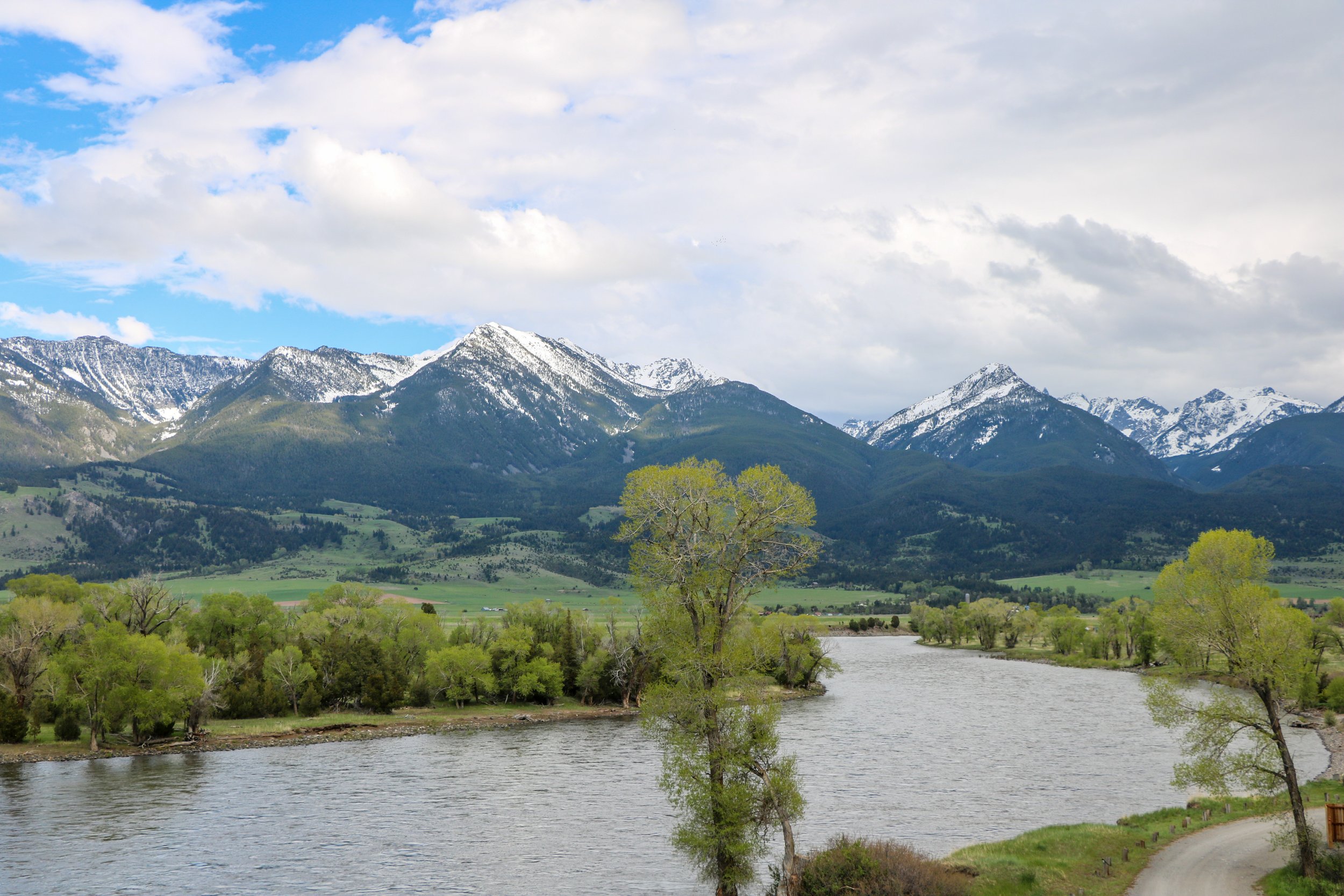
Around Bozeman, anglers typically rotate between a handful of reliable options including the Madison River, Gallatin River, Yellowstone River, and Missouri River, along with the famous spring creeks near Livingston.
Understanding Runoff in Southwest Montana
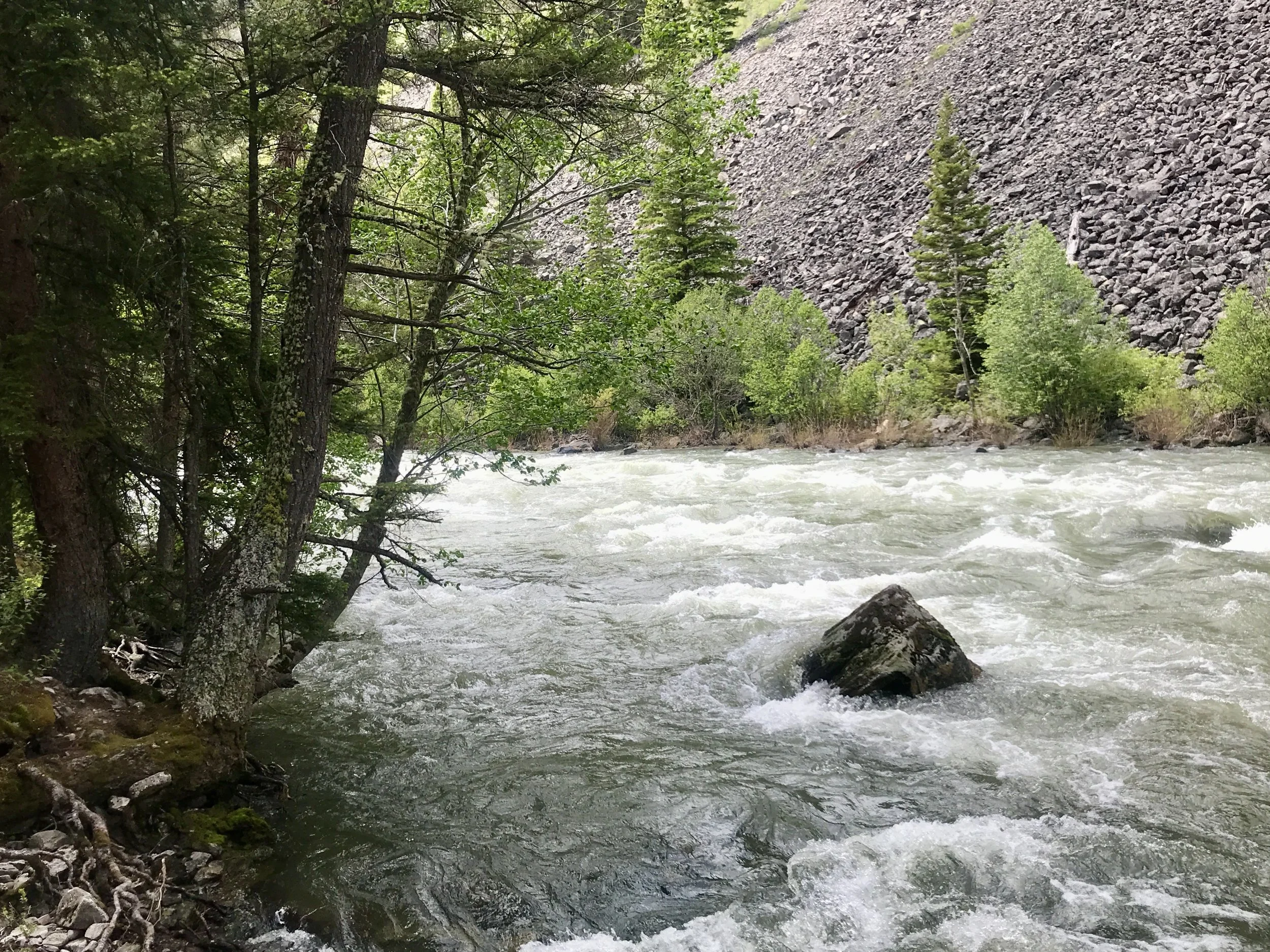
Runoff occurs when warmer temperatures begin melting the snowpack in the mountains. As that snowmelt enters the rivers, flows rise rapidly and water clarity decreases. Mid-May through Late June (Depending on snow pack and spring weather) is typically the peak runoff window in Southwest Montana.
During this period, many freestone rivers like the Gallatin and Yellowstone can become difficult or even unsafe to fish as flows increase and debris moves downstream. However, experienced anglers and guides know that runoff doesn't shut fishing down entirely—it simply shifts where we fish.
Tailwaters and spring creeks often become the most consistent options during runoff, while certain sections of larger rivers can still fish well depending on clarity and flows.
Runoff Timing for Southwest Montana Rivers
Runoff timing can change each year depending on snowpack and spring temperatures, but most rivers around Bozeman follow a fairly predictable pattern. Understanding when runoff typically begins and ends on each river can help anglers plan their trips and adjust where they fish throughout the spring season.
Gallatin River Runoff
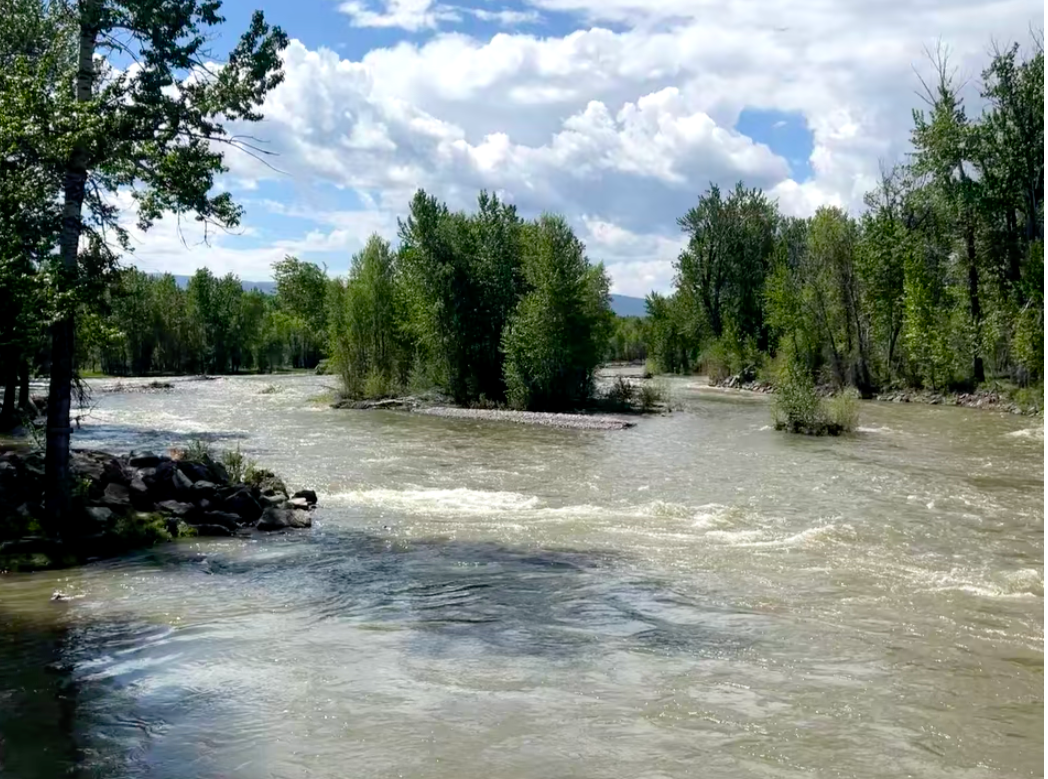
The Gallatin River is usually one of the first rivers near Bozeman to be affected by runoff. Because it flows directly out of the mountains of Yellowstone National Park, warm spring weather can cause flows to rise quickly.
Typical runoff window:
Mid May – Mid/Late June
Sometimes during early runoff, the Gallatin stays fishable and on a typical snowpack year becomes fishable with caution Late June/ Early July. Typically a safe bet when the Gallatin will be fairly clear on an average snowpack year is July 4th.
Fishing is often excellent on the Gallatin through April and early May before flows pick up. Once runoff subsides in June, the river quickly returns to clear water and some of the best wade fishing of the summer. Post Runoff, fish are looking for a big meal and a little bit of cloudy water gives them a false sense of security and they tend to eat more aggressively.
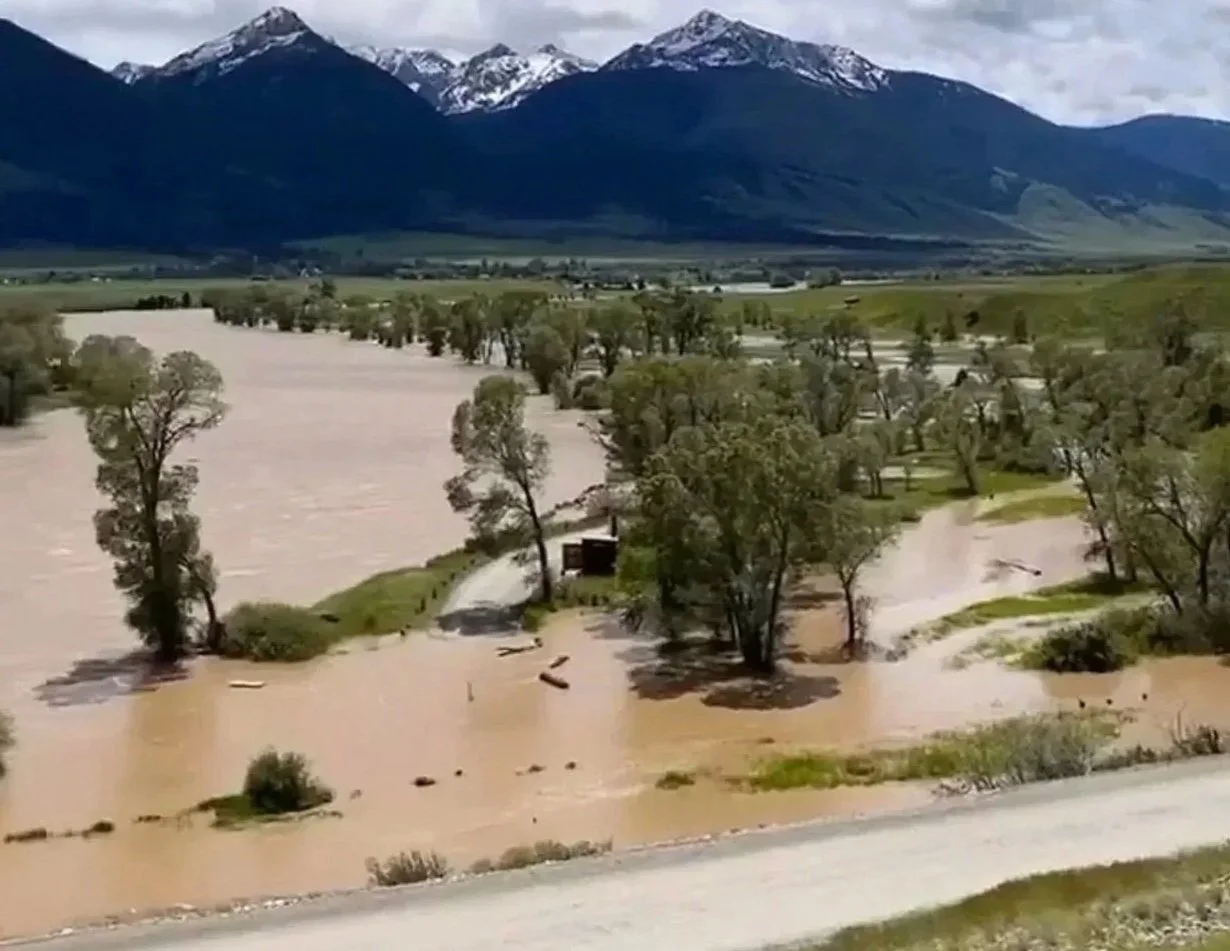
Yellowstone River Runoff
The Yellowstone River drains a massive watershed and can see dramatic increases in flow during peak snowmelt.
Typical runoff window:
Mid May – Mid/Late June
Like the Gallatin, Most of our guide trips (on an average snowpack year) begin on the Yellowstone around July 4th.
Before the river fully blows out, anglers can often find great fishing with nymphs and streamers. When flows become too high or muddy, many anglers shift their focus to the nearby Paradise Valley spring creeks, which remain clear and fishable during runoff.
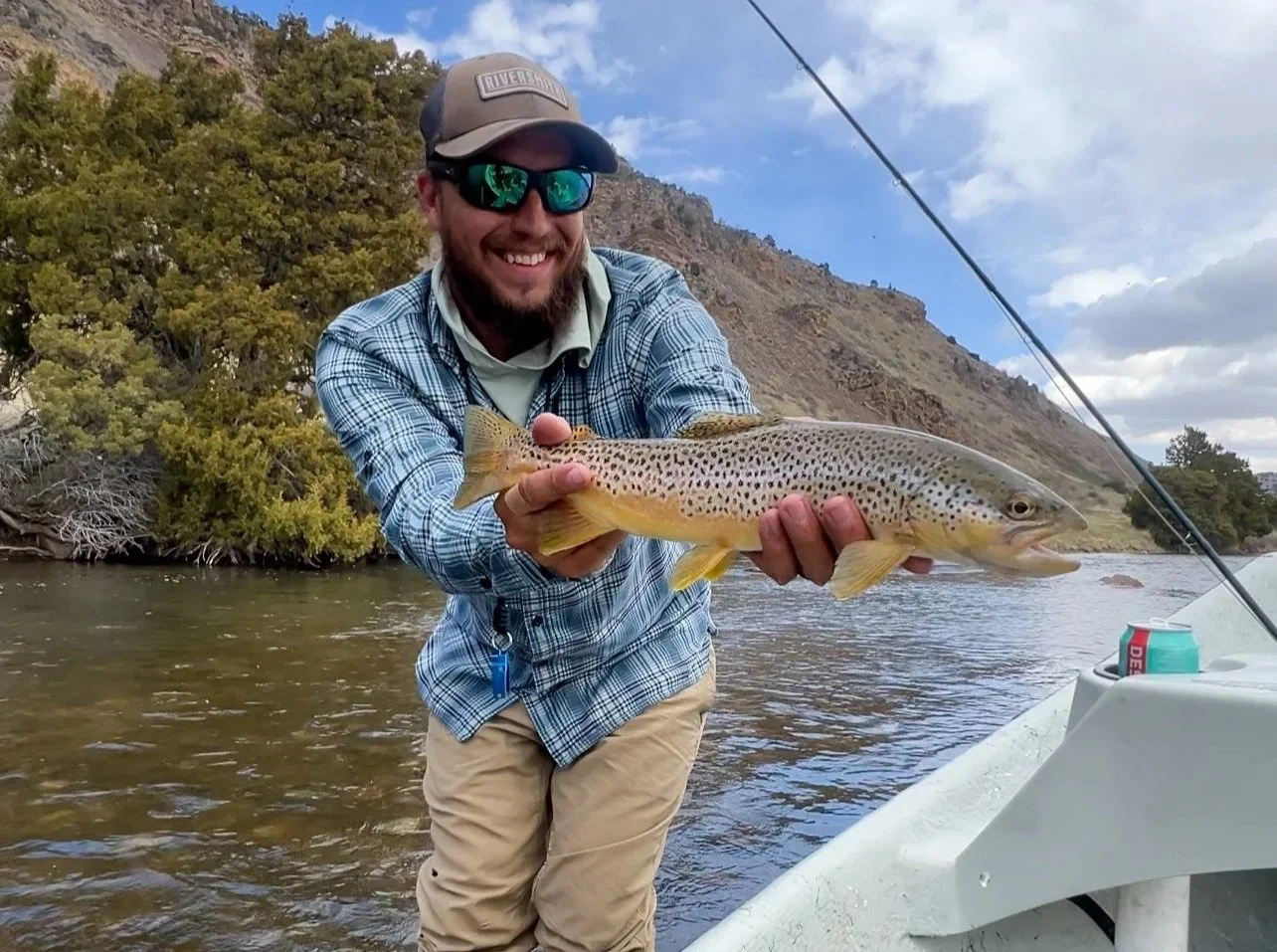
Madison River Runoff
Because the Madison River flows through Hebgen Lake and Ennis Lake, portions of the river are less affected by sudden snowmelt compared to freestone rivers.
Typical runoff window:
Mid/Late May – Early June (varies by section)
The Upper Madison experiences a very short window of dirty water, mostly due to a tributary (West Fork of the Madison) Every year is different on how long it will last depending on snowpack. Most years it only completely dirties the water for around a week. The west fork also doesn’t affect the whole river, above the west fork the river stays clear through most of runoff. Fishing above Lyons Bridge where the West Fork comes into the Madison is a great option for anglers looking to find clear water and hungry fish.
The Lower Madison often remains fishable longer than surrounding rivers and can produce excellent fishing during the famous Mother’s Day Caddis hatch in early May. Like the Upper Madison the Lower below Ennis Lake stays relatively fishable through runoff. There are a few smaller tributaries (Warm Spring Creek and Cherry Creek) that can add a little color to the river but don’t typically shut fishing down completely.
During runoff conditions anglers typically focus on slower seams, banks, and deeper holding water and side channels where trout move to escape the heavier current.
Missouri River Runoff
The Missouri River near Craig is a dam-controlled tailwater, meaning flows are regulated and the river typically remains clear even while runoff impacts other rivers across Southwest Montana.
Typical runoff window:
Minimal impact - The Dearborn River about 5-6 miles below Craig does add dirty water into the Missouri during peak runoff but everything above that stays fishable and clear through runoff.
Because of its stability, the Missouri becomes one of the most reliable rivers in Montana during runoff season, and many anglers make the drive there when other rivers are blown out.
Spring Creeks Near Livingston
When the Yellowstone River becomes too high or muddy during runoff, the spring creeks of Paradise Valley near Livingston offer an excellent alternative.
These creeks are spring-fed systems that maintain:
• stable water levels
• consistent temperatures
• excellent water clarity
Because they are not heavily influenced by snowmelt, the spring creeks often remain fishable even when surrounding rivers are blown out.
They can be technical fisheries, but they offer some of the most consistent dry fly opportunities in Montana during the runoff period.
Pro Tip: Spring Creek days fill up fast sometimes months before runoff, make reservations ahead of time.
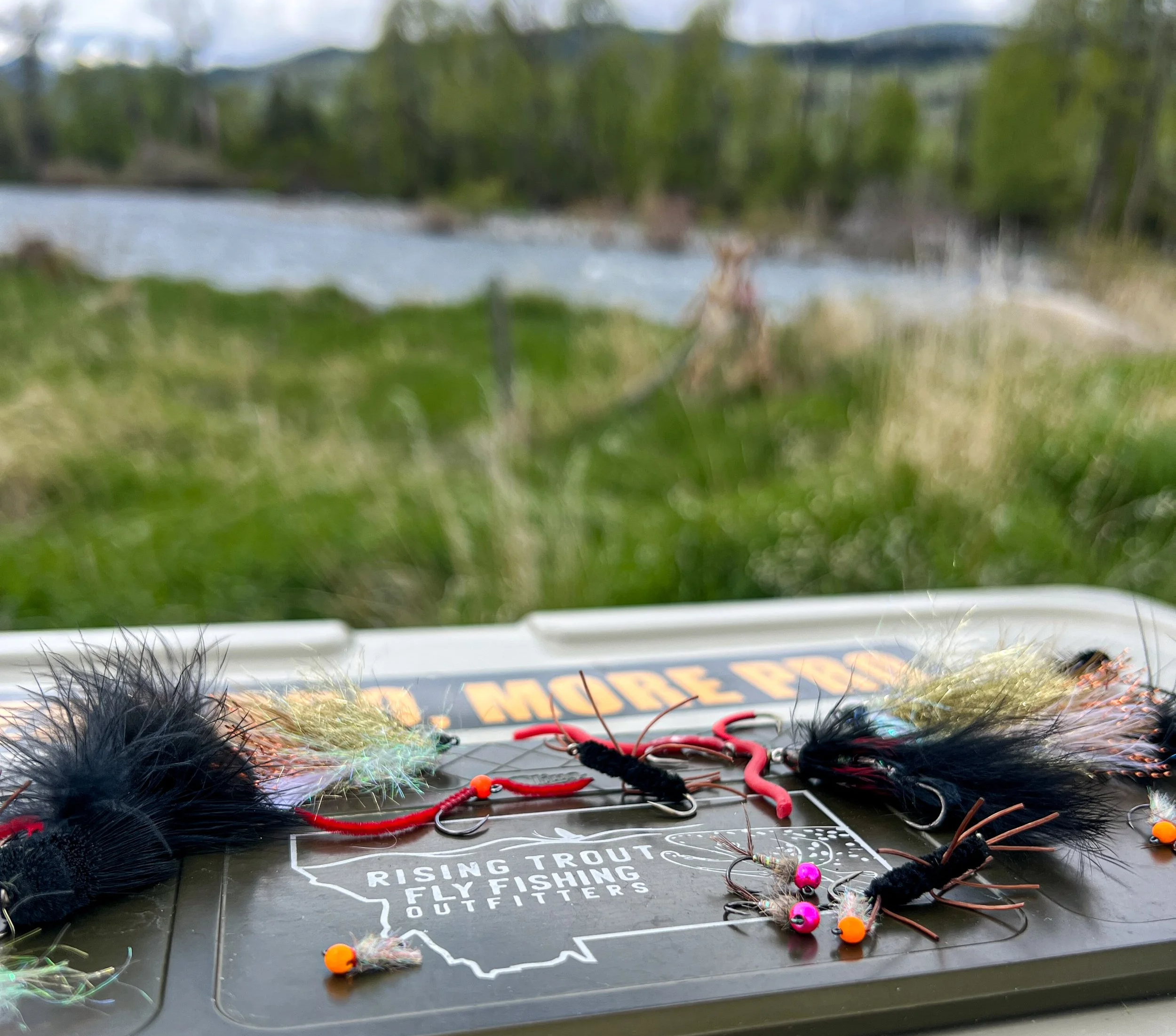
Best Flies for Fly Fishing During Runoff
Runoff conditions often mean higher water and reduced visibility, which makes larger, darker flies especially effective. Trout rely more on silhouette and movement in off-color water, so flies that push water and are easy to see tend to produce the most strikes.
When nymph fishing during runoff, many anglers rely on larger stonefly patterns paired with large profile attractor flies like wire worms and san juan worms. Flies like Pat’s Rubber Legs, Girdle Bugs, and other stonefly nymphs help get rigs down quickly while imitating the larger insects trout look for in dirty water.
Streamer fishing can also be extremely productive during runoff. Larger patterns such as Woolly Buggers, Sculpzilla, Sparkle Minnows, and articulated streamers are great options when water clarity drops and trout begin looking for bigger meals.
Read More Here - Best Flies For Runoff in Montana
Runoff Fishing Tips from Local Guides
Runoff fishing is less about finding perfect water and more about adjusting your approach to changing river conditions.
Some of the most effective tactics include:
Fish slower water
Trout move out of heavy current and into softer holding areas near banks and seams.
Use heavier nymph rigs
High water requires additional weight to reach the strike zone.
Fish streamers in dirty water
Larger flies create more visibility and often trigger aggressive strikes.
Be flexible with locations
Moving between rivers can make a huge difference during runoff season.
Why Runoff Isn’t a Bad Thing
While runoff can make some rivers temporarily unfishable, it also plays an important role in Montana’s fisheries. Snowmelt helps replenish rivers, move nutrients through the ecosystem, and set the stage for incredible summer fishing.
In fact, some of the best fishing of the year often happens immediately after runoff subsides, when water temperatures rise and trout begin feeding aggressively again.
Planning a Montana Fly Fishing Trip During Runoff
Runoff conditions change quickly from week to week. Choosing the right river and fishing the right water can make all the difference.
Around Bozeman, the most consistent runoff options typically include:
• the Lower and Upper Madison River
• the Missouri River near Craig
• the Paradise Valley Spring Creeks
• select sections of the Yellowstone and Gallatin before and after peak runoff
Working with a local guide can help anglers make the most of runoff conditions and find the best fishing available during this transitional part of the season.
If you're planning a trip to Southwest Montana this spring and want to maximize your chances of finding good water, a guided trip can help shorten the learning curve and get you on fish.