Best Flies for Fly Fishing During Runoff in Montana (High Water Trout Patterns)
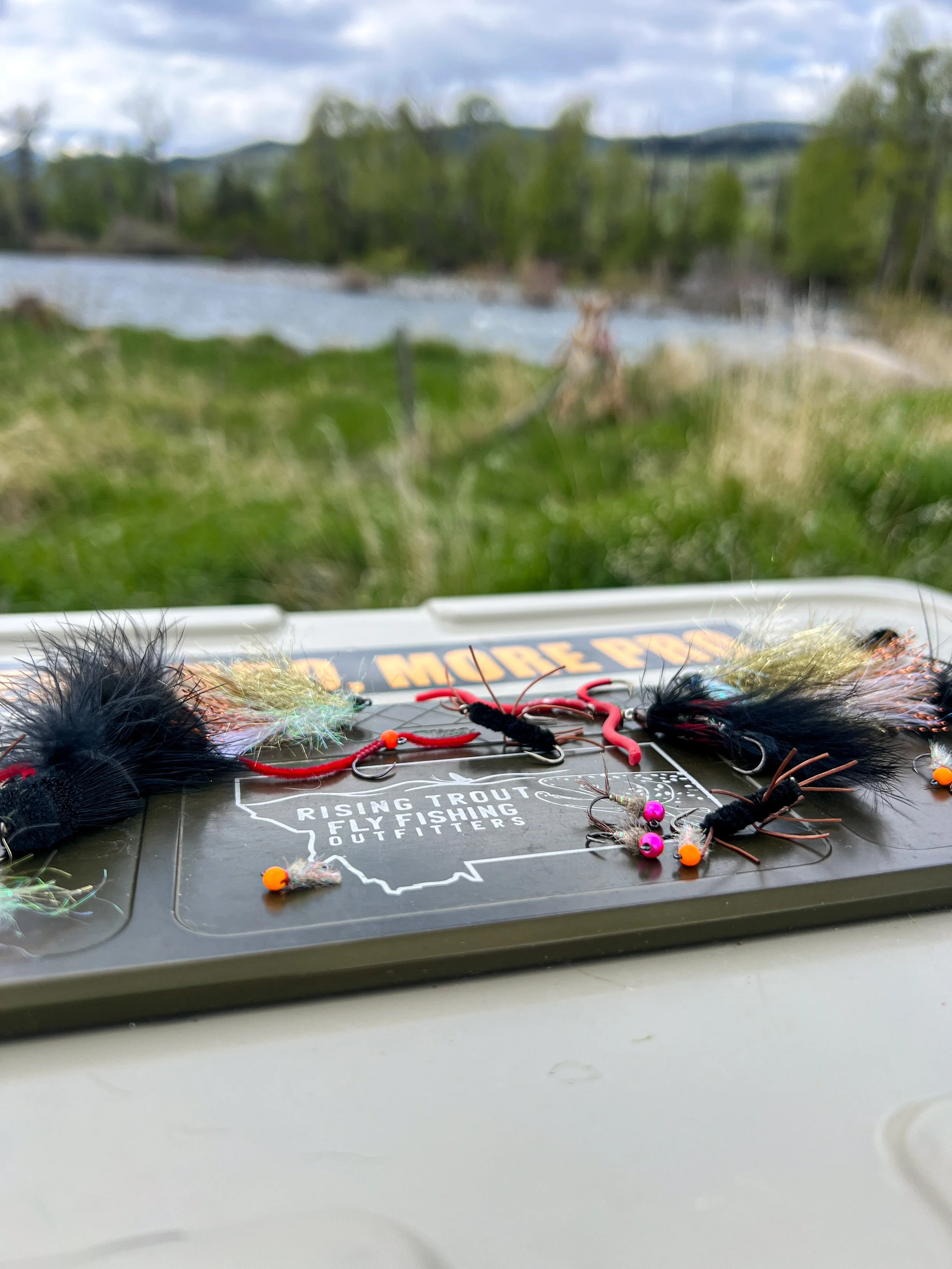
Best Flies for Fly Fishing During Runoff in Montana
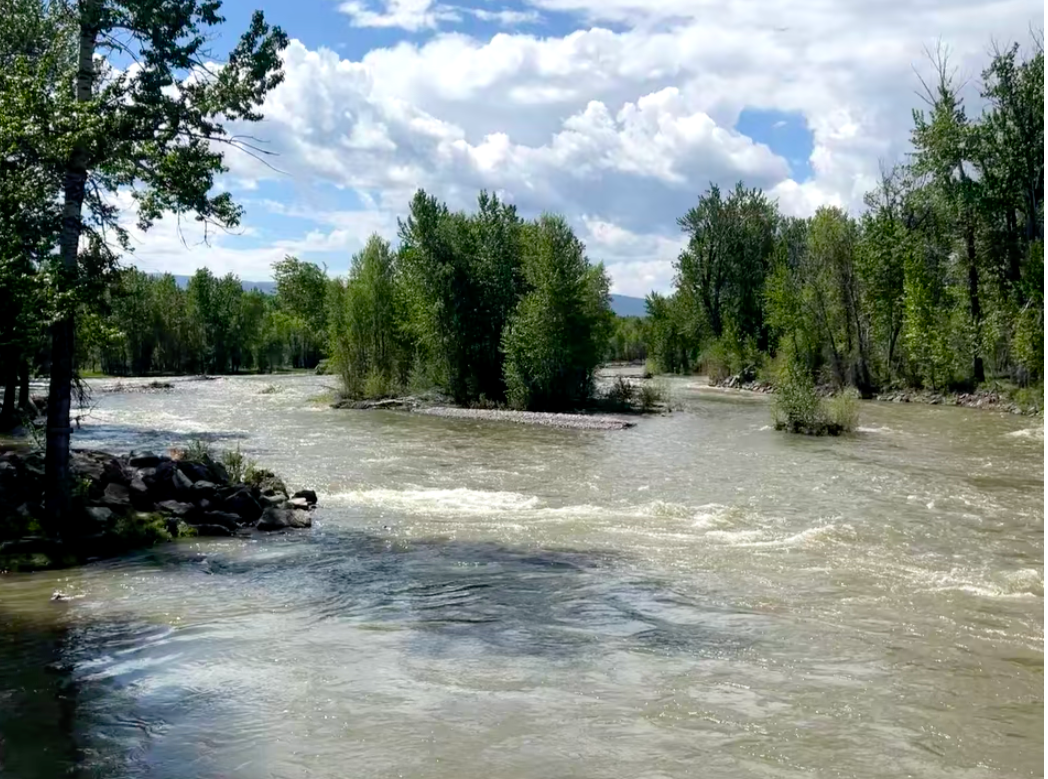
Spring runoff is a natural part of every Montana fly fishing season. As mountain snow begins to melt, rivers like the Gallatin, and Yellowstone and even the Madison (for a short while) rise quickly and often turn off-color. While some anglers wait for water levels to drop, experienced guides know that trout continue feeding throughout runoff—you just need the right flies and setups.
During runoff, trout tend to hold in slower water along banks, inside seams, and deeper runs, where they can conserve energy out of the heavier current. Because visibility is often reduced, larger flies that create movement and push water tend to be the most effective patterns.
Below are some of the best flies guides rely on during runoff conditions in Montana, along with tips on how to rig them properly in high water.
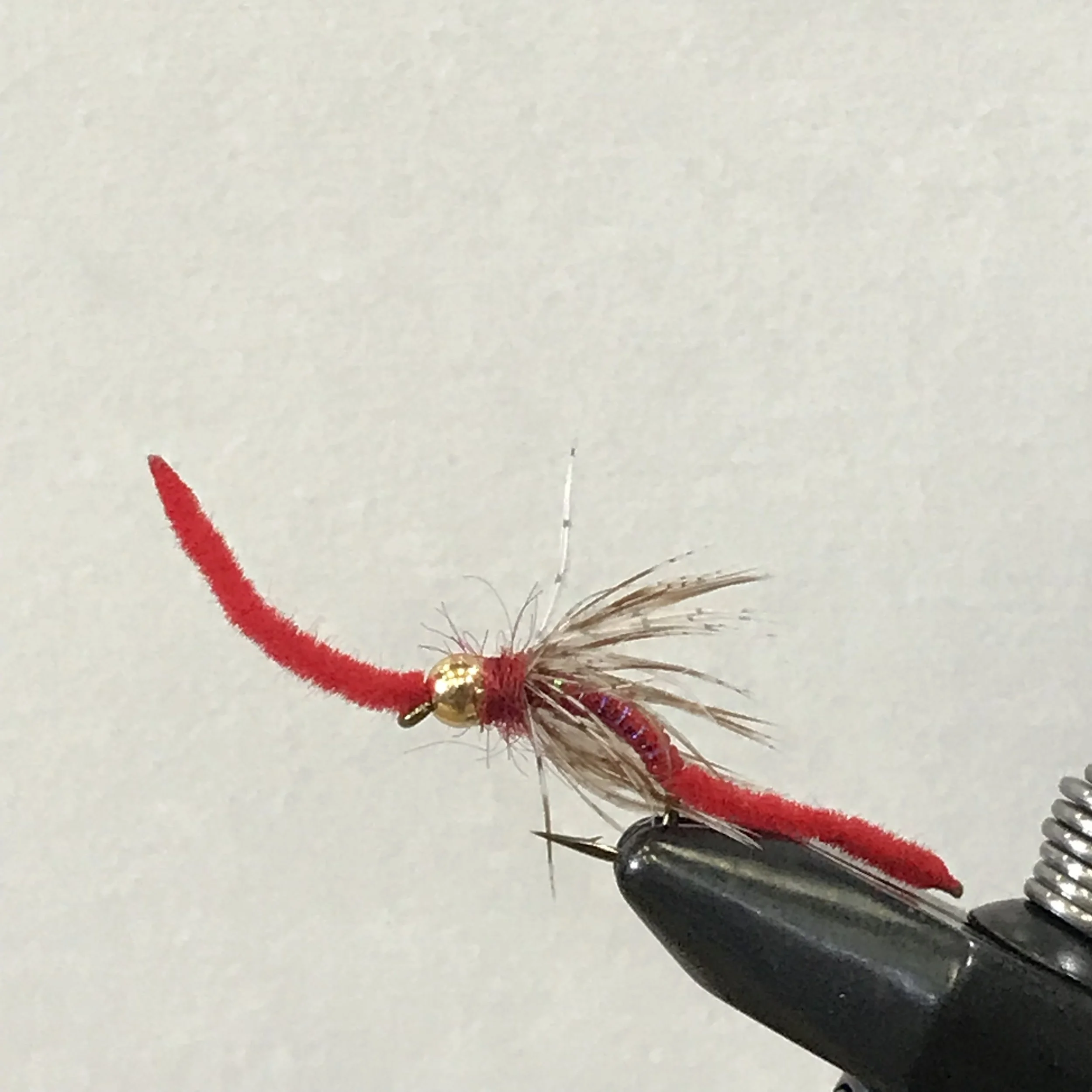
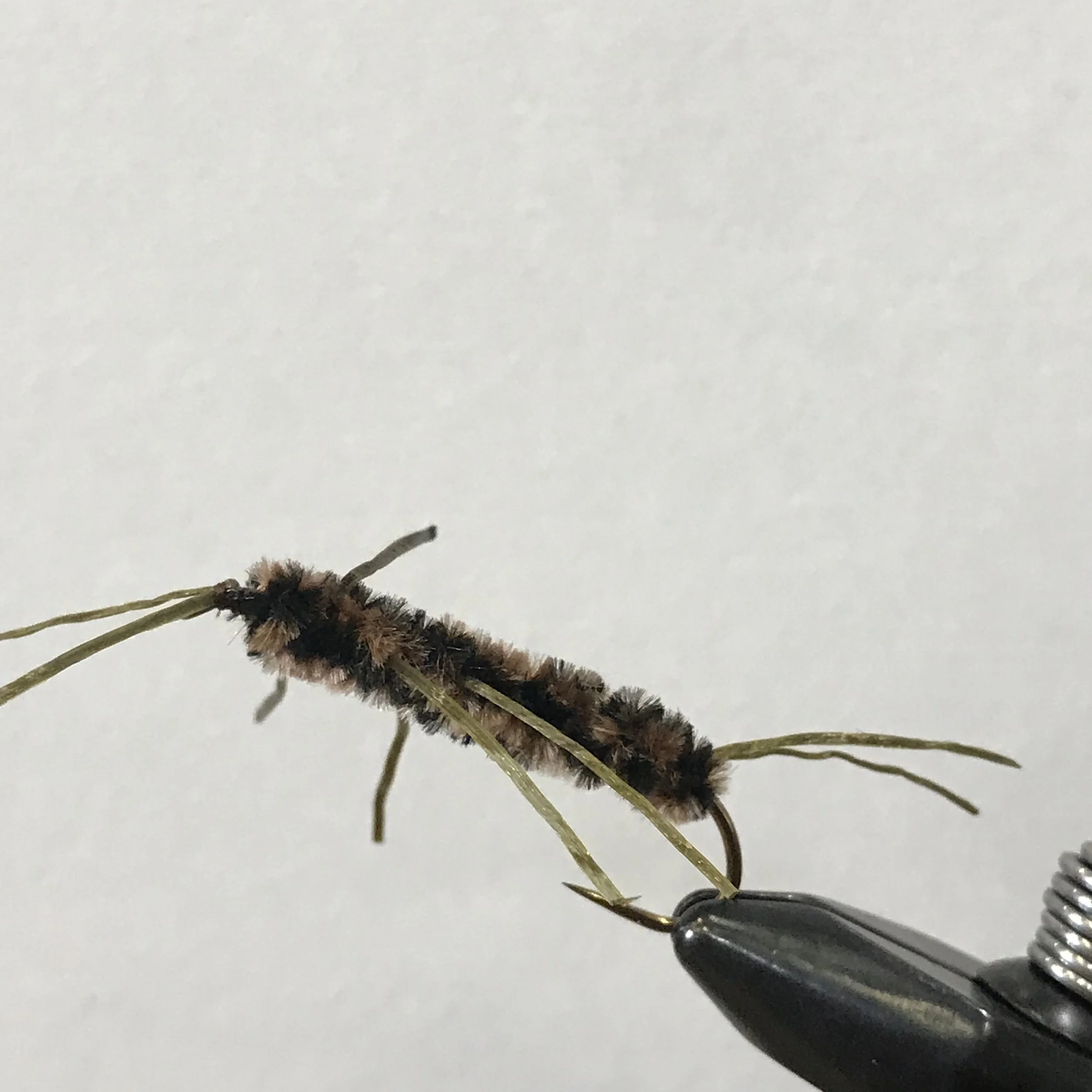
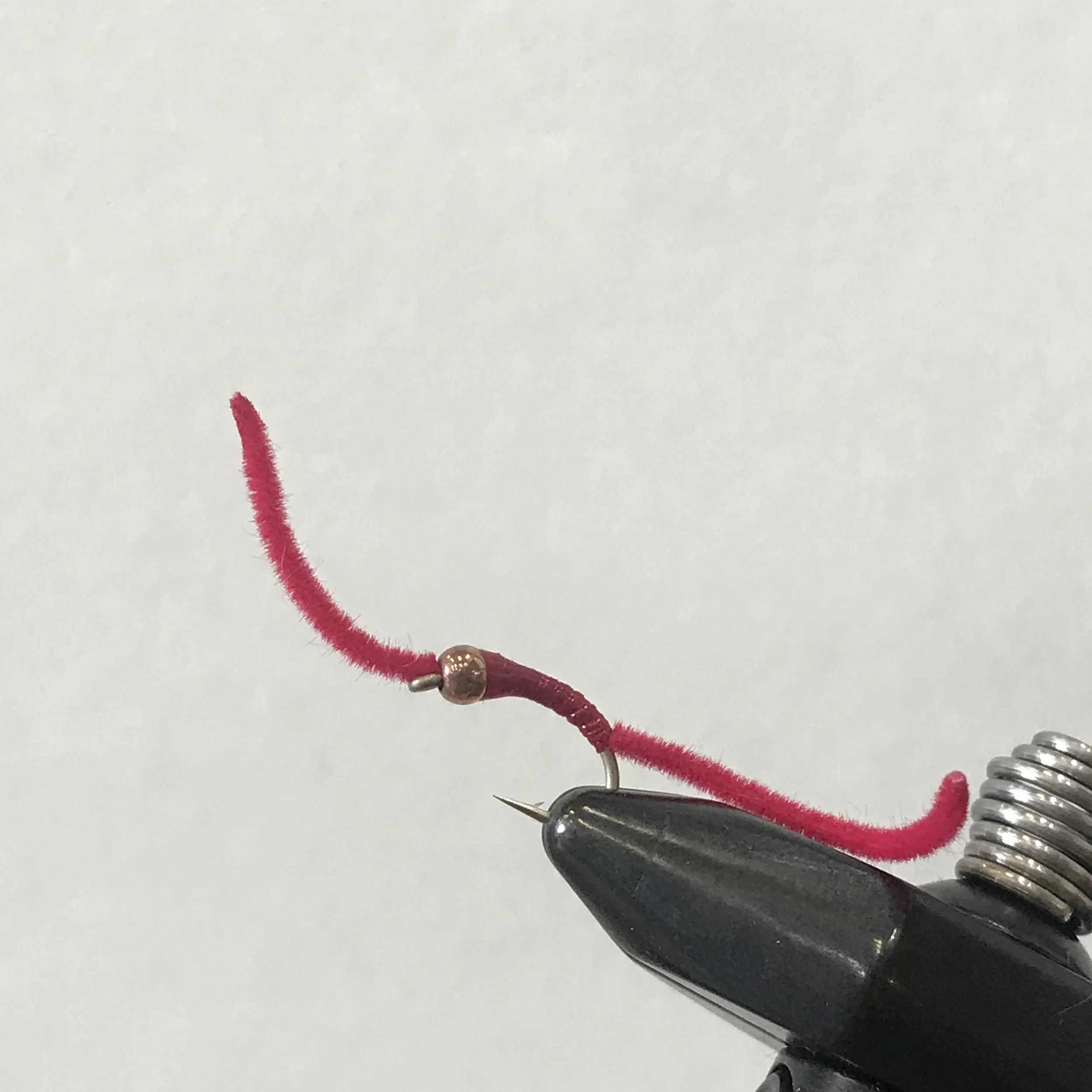
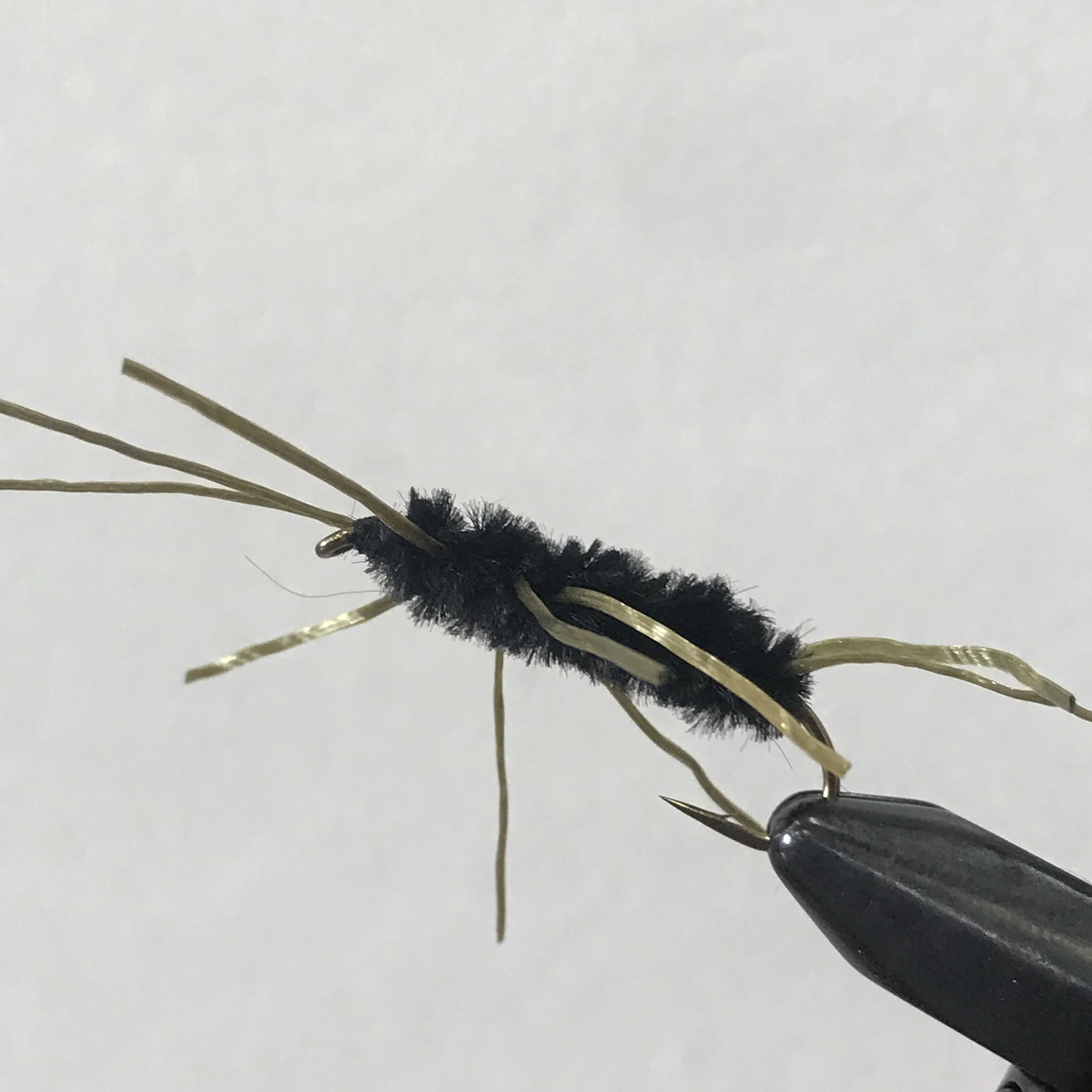
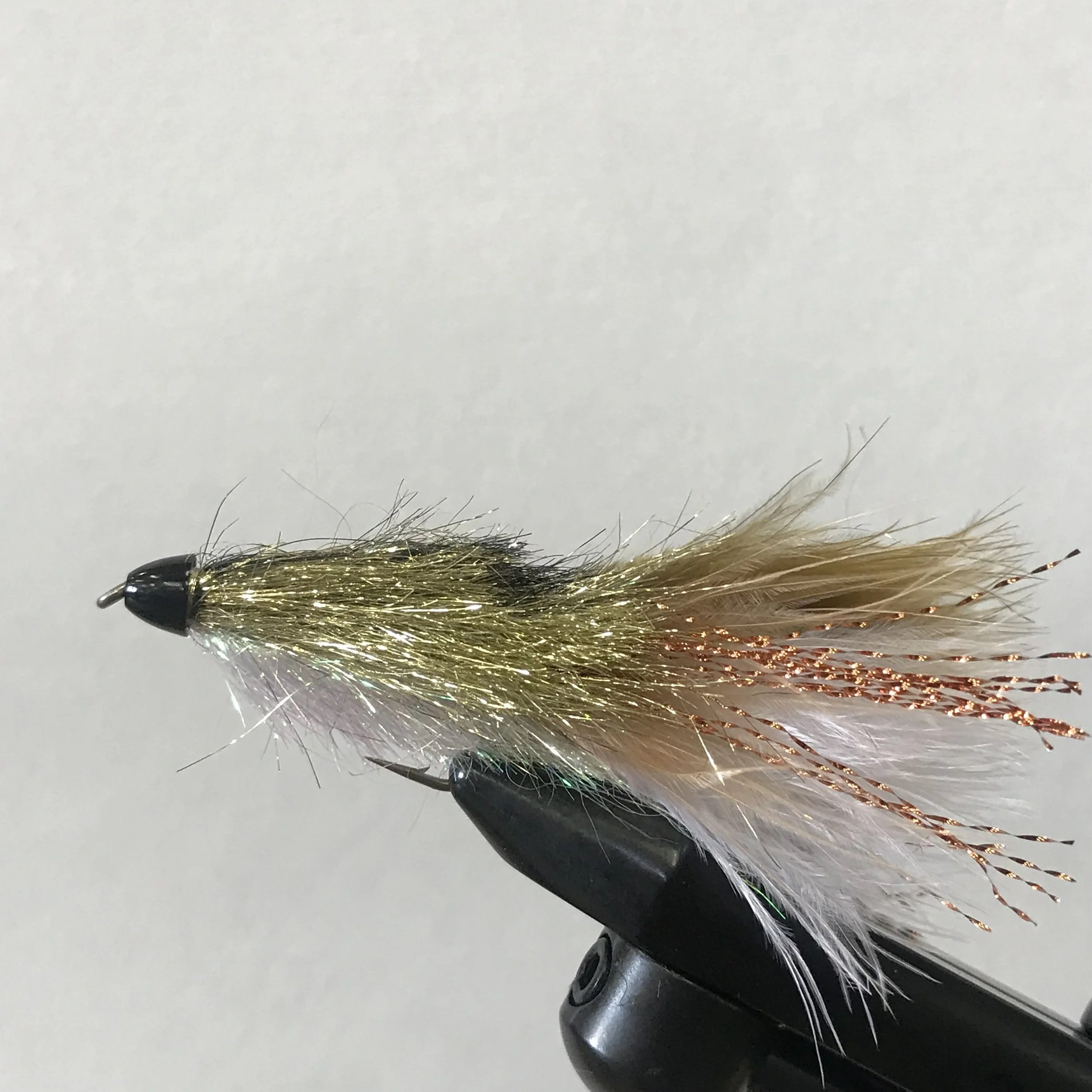
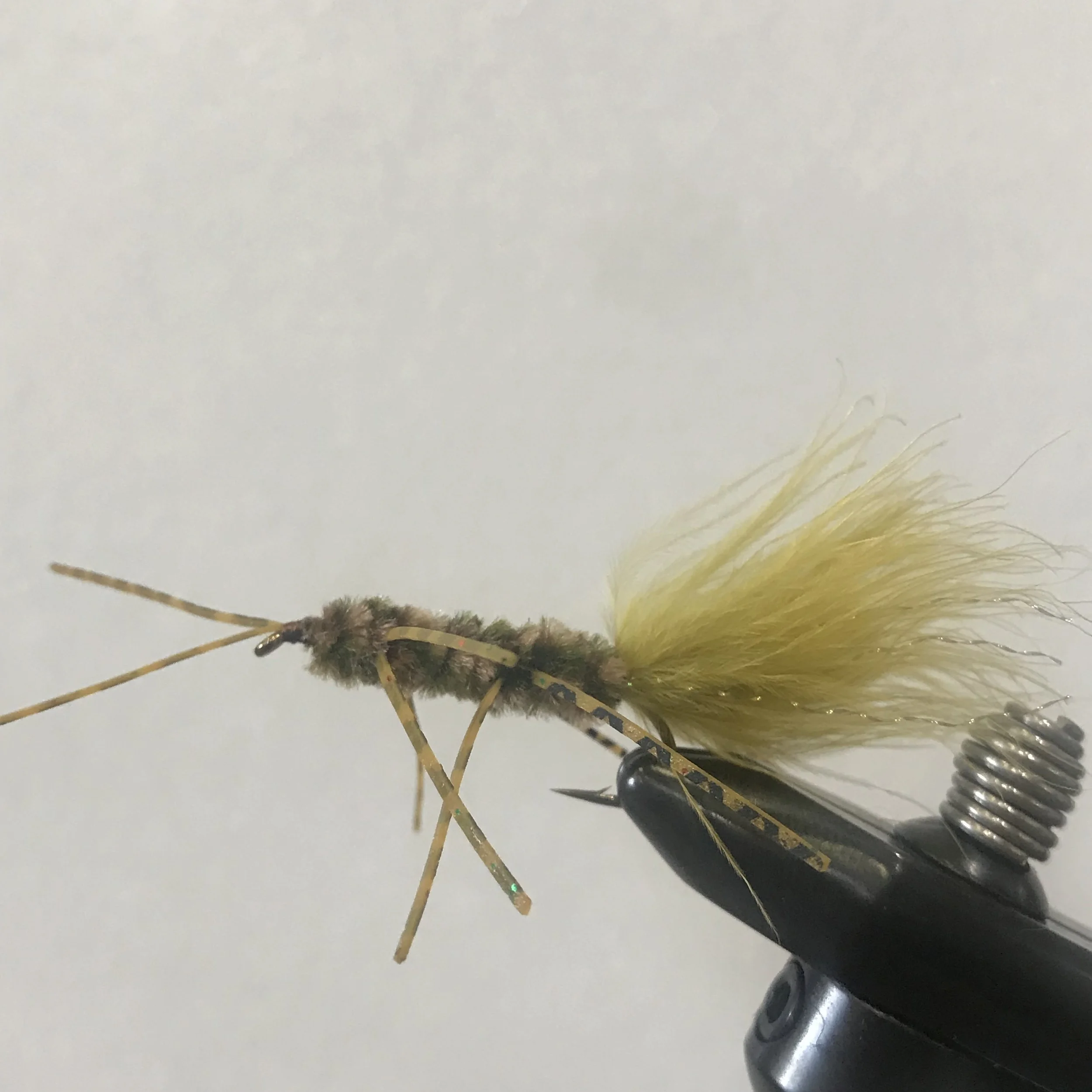
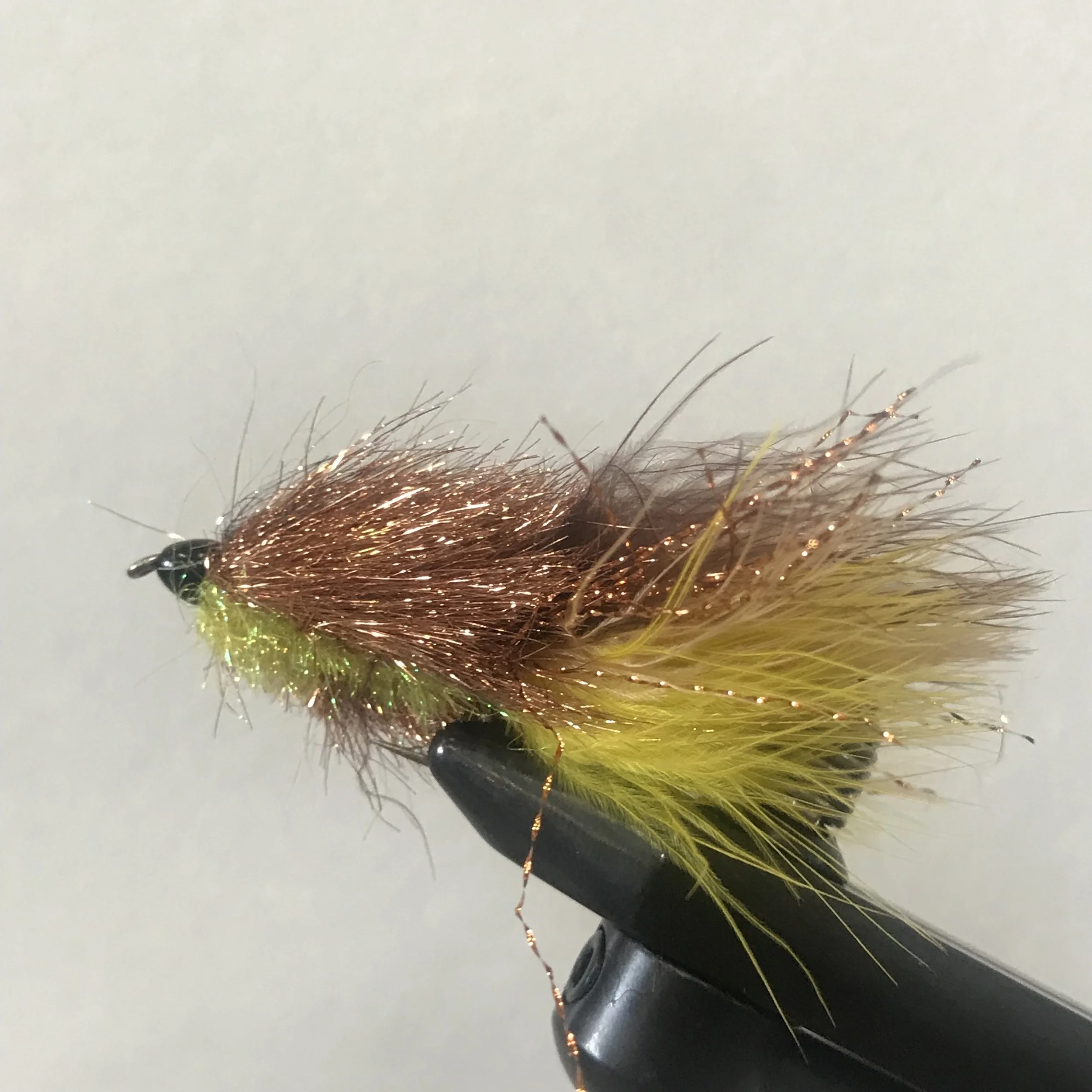
Nymph Flies for Runoff Fishing
Nymphing is usually the most consistent way to catch trout during runoff. Higher flows push many aquatic insects into the current, and trout often move into softer holding water to feed.
Because runoff flows are stronger, most anglers fish larger nymphs in a double nymph setup.
Stonefly Nymphs
Stonefly nymphs are some of the most productive flies to fish during runoff because they are naturally large insects and are easily seen in higher water. Its a big profile fly that fish can see, even through dirty water.
Top stonefly patterns for runoff:
• Pat’s Rubber Legs
• Girdle Bug
• Double Bead Stone
• Montana Stone
These flies are often used as the point fly in a nymph rig because they are heavier and help get the entire setup down to the bottom.
Attractor Nymphs
Sometimes Flashy with a larger profile
• San Juan Worms and Wire Worms
• Larger size #10-12 Flashy Lightning bugs - Especially on Sunny Days
• Larger Perdigons #10-12 - Especially with Hot Orange or Pink Bead Heads
Streamer Flies for Runoff
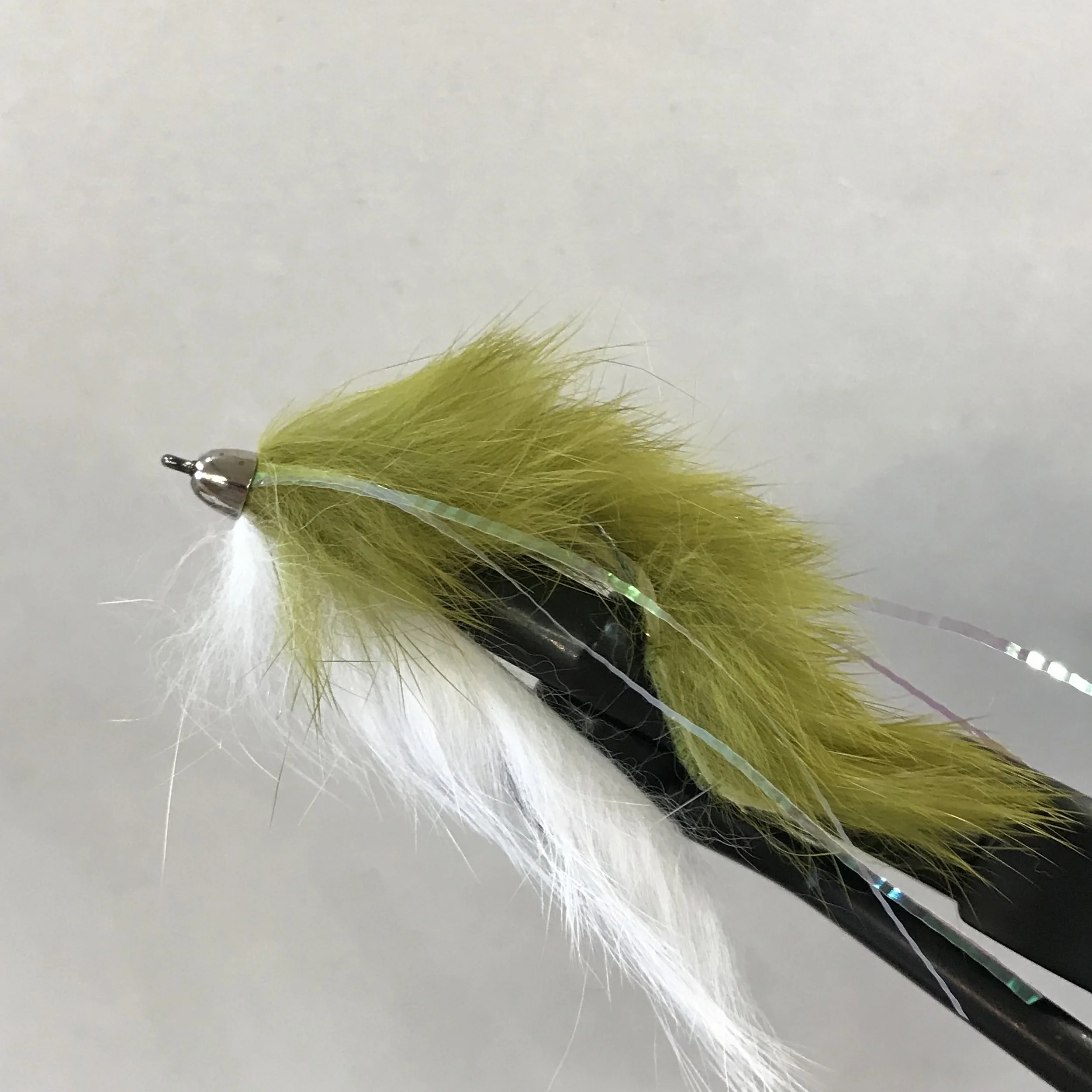
Streamer fishing can be extremely productive during runoff, especially when water has some color. Larger flies create a stronger silhouette and are easier for trout to see in reduced visibility.
Many anglers actually catch some of their largest trout of the season by fishing streamers during runoff.
Top Streamer Flies for Runoff
Some of the most effective streamer patterns include:
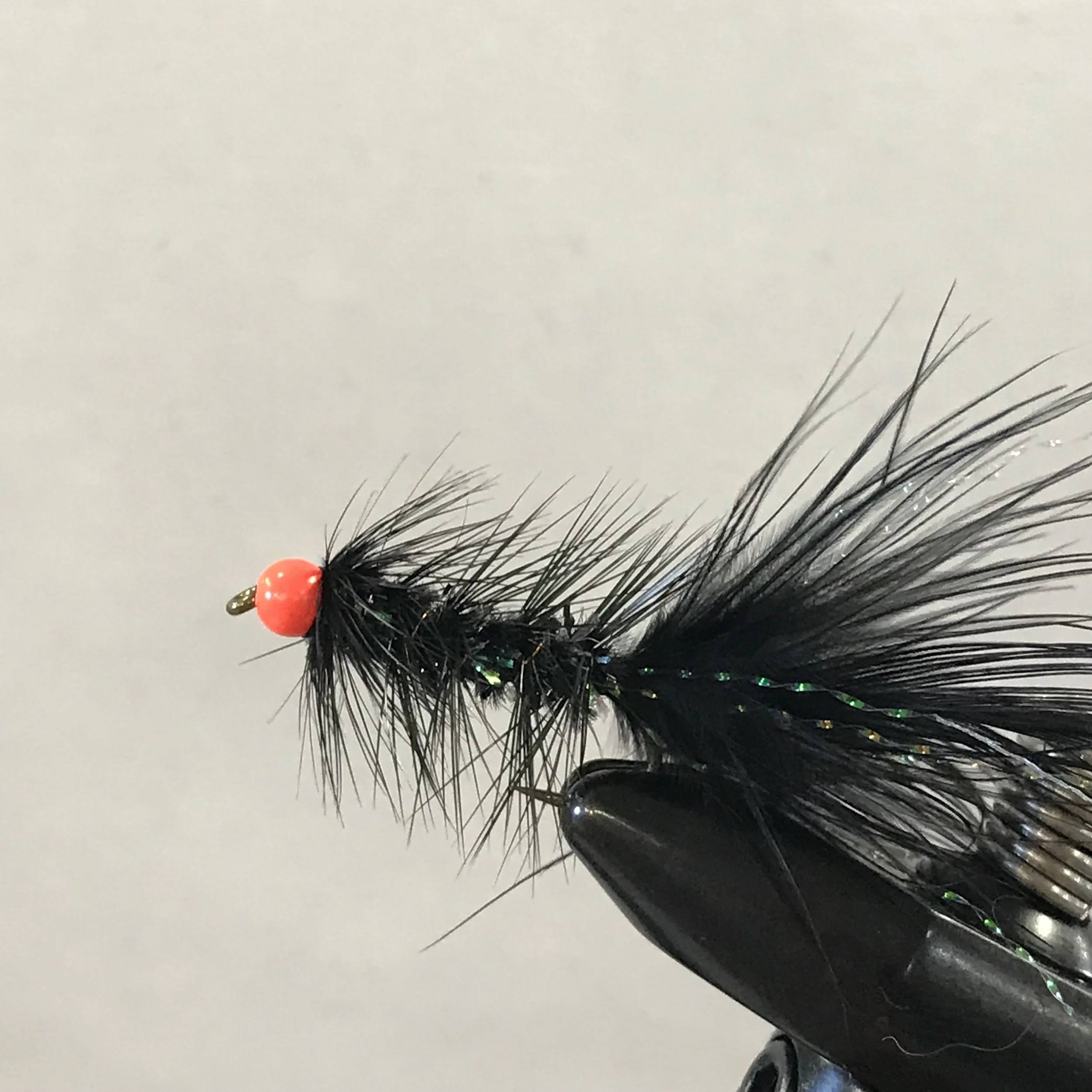
• Woolly Bugger
• Sculpzilla
• Sparkle Minnow
• Sex Dungeon
• Peanut Envy
Colors that tend to work well during runoff include:
• Black
• Olive
• Brown
• White
Fishing streamers along banks, drop-offs, and slower seams can often trigger aggressive strikes from larger trout.
Dry Flies Later in Runoff
While most runoff fishing focuses on nymphs and streamers, dry fly opportunities begin to appear as flows stabilize later in the runoff period.
On most of our Bozeman Area Rivers - The Upper Madison, Gallatin and Yellowstone, the end of runoff also correlates with the start of Salmonflies. On the Upper Madison its typically the second to third week of June and on the Gallatin and Yellowstone its the First Part of July.
Fishing dries along slower edges and softer water can produce some surprisingly good surface action once water clarity improves.
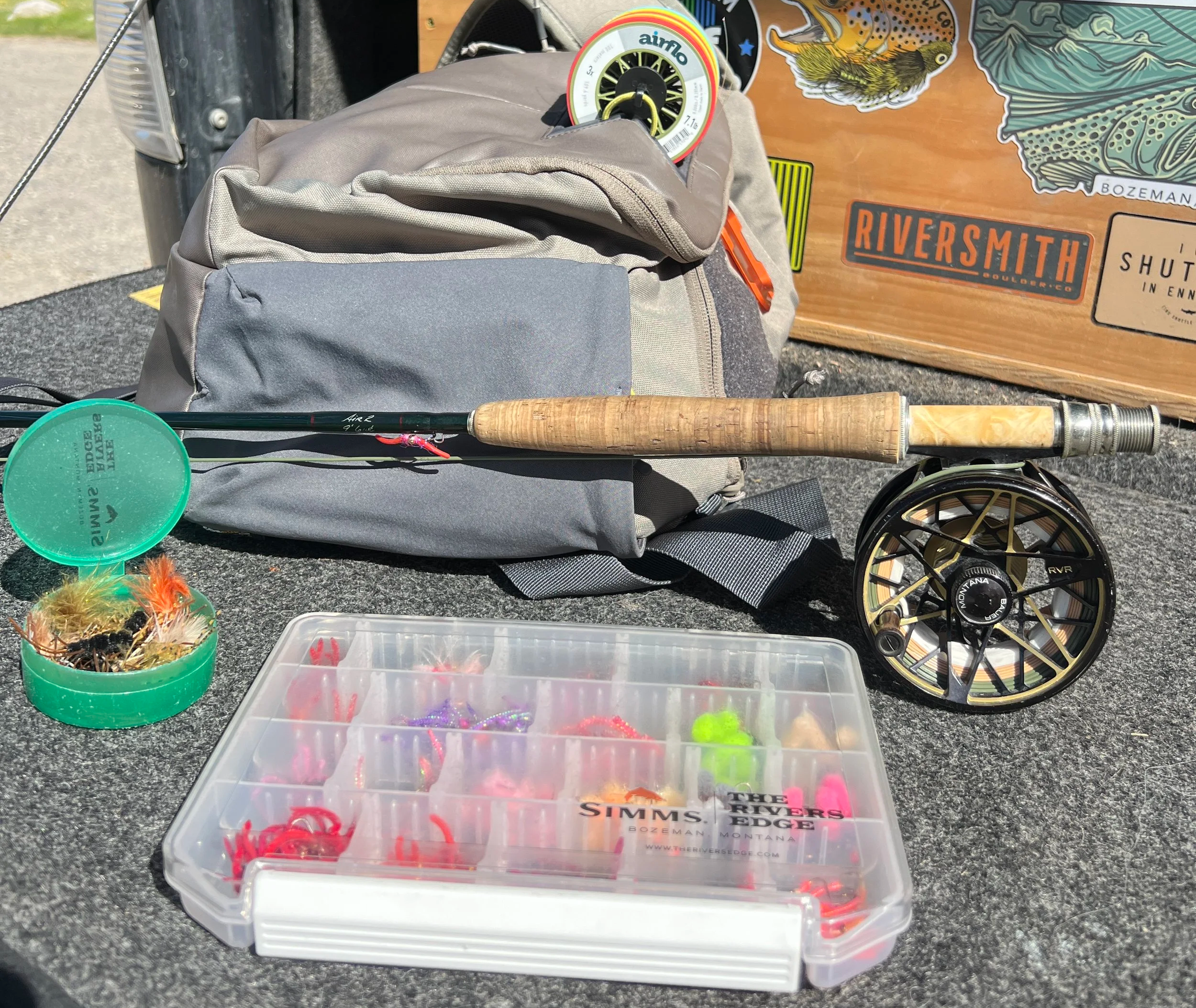
Runoff Rigging Tips: Leader, Tippet, and Weight
Fishing during runoff often requires heavier setups to reach trout holding deeper in the water column.
Leader Setup
A typical runoff nymph setup includes:
• 7.5-9ft 2X-3X You don’t have to be stealth this time of year. Shorter and thicker diameter leaders help turn over heavier rigs and maintain better control in high water.
Tippet Setup
Tippet size often depends on fly size, but common setups include:
• 2X–3X for stonefly nymphs and larger flies
• 3X–4X for smaller trailing nymphs
Heavier tippet helps handle larger flies and prevents break-offs when fishing heavier weight.
Adding Weight
Getting flies down to the strike zone is critical during runoff.
Most anglers add split shot 6–10 inches above the first fly and adjust weight depending on water depth and current speed.
A good rule of thumb is to add enough weight so flies occasionally tick the bottom while drifting through deeper runs.
Where to Fish During Runoff
During runoff conditions, trout typically move into areas where they can avoid the strongest current.
Some of the best water to focus on includes:
• banks and slower edges
• inside seams
• side channels
• Slower deeper pools and runs
Targeting these softer holding areas dramatically increases the chances of finding feeding trout during high water.
If you're planning a trip during runoff season, it also helps to understand which rivers remain fishable during higher flows.
Read more on Where to Fish During Spring Runoff in Montana
Final Thoughts on Runoff Fly Selection
Spring runoff is an important part of Montana’s river systems and plays a key role in maintaining healthy fisheries. While conditions can be challenging at times, trout continue feeding actively throughout the runoff period.
By focusing on larger nymphs, visible streamers, and properly weighted rigs, anglers can still find excellent fishing even when rivers are running high.
With the right flies, proper rigging, and a willingness to adjust locations, runoff can offer some surprisingly productive days on the water.
Plan a Montana Fly Fishing Trip
If you're planning a trip to Southwest Montana and want to maximize your chances during runoff season, working with our experienced Bozeman fly fishing guides can help you find the best water conditions and productive fishing.
Guided trips allow anglers to focus on fishing while local guides track river conditions and choose the best rivers to fish each day.