Best Time to Fly Fish Montana (Season-by-Season Hatch & Conditions Guide)
Best Time to Fly Fish Montana: A Season-by-Season Guide (With Hatches + Honest Conditions)
If you’re trying to pick the best time to fish Montana, here’s the truth: there isn’t one perfect week that beats every other week on every river. Montana is a big state with totally different fisheries—freestones, tailwaters, spring creeks, alpine lakes—and they don’t all “turn on” at the same time.
That said, there are clear seasonal windows that consistently produce the best combination of:
fishable flows
active trout
reliable hatches
and the kind of weather you actually enjoy being outside in
Below is a season-by-season breakdown of what to expect, what hatches matter most, and an honest opinion on how the fishing usually stacks up.

Spring (March–Mid May): Pre-Runoff = Underrated & Often Excellent
Spring in Montana is the “locals love it” season. Weather is unpredictable, but when you hit stable temps and decent flows, it can be some of the most enjoyable fishing of the year—especially on rivers that fish well before runoff. Many Montana outfitters highlight spring as a prime window for BWO and March Brown activity and excellent fishing before the crowds show up.
What conditions are like
Cold mornings, better late morning through afternoon (water temps need time to rise).
Freestones can be great until runoff starts to push them off-color.
Tailwaters stay more consistent and are often the “safe bet.”
Key spring hatches & what they mean
Midges: steady food source, especially mornings and cold snaps.
Blue-Winged Olives (BWOs / Baetis): the most reliable “spring dry fly” on many rivers, especially on cloudy days.
March Browns: bigger mayflies that can bring larger trout up.
Skwalas (mid-to-late March into April on certain rivers): one of the first “big” dry-fly opportunities of the year.
Honest take: how good is spring fishing?
Very good—when you time it right. You’ll have days that feel like you’re early to the party (slow, cold, no risers), and days where BWOs pop and it’s lights-out. If you want fewer people and you don’t mind layers and weather swings, spring can be a home run.
Late Spring (May): The “Shoulder Season” + Mother’s Day Caddis Window
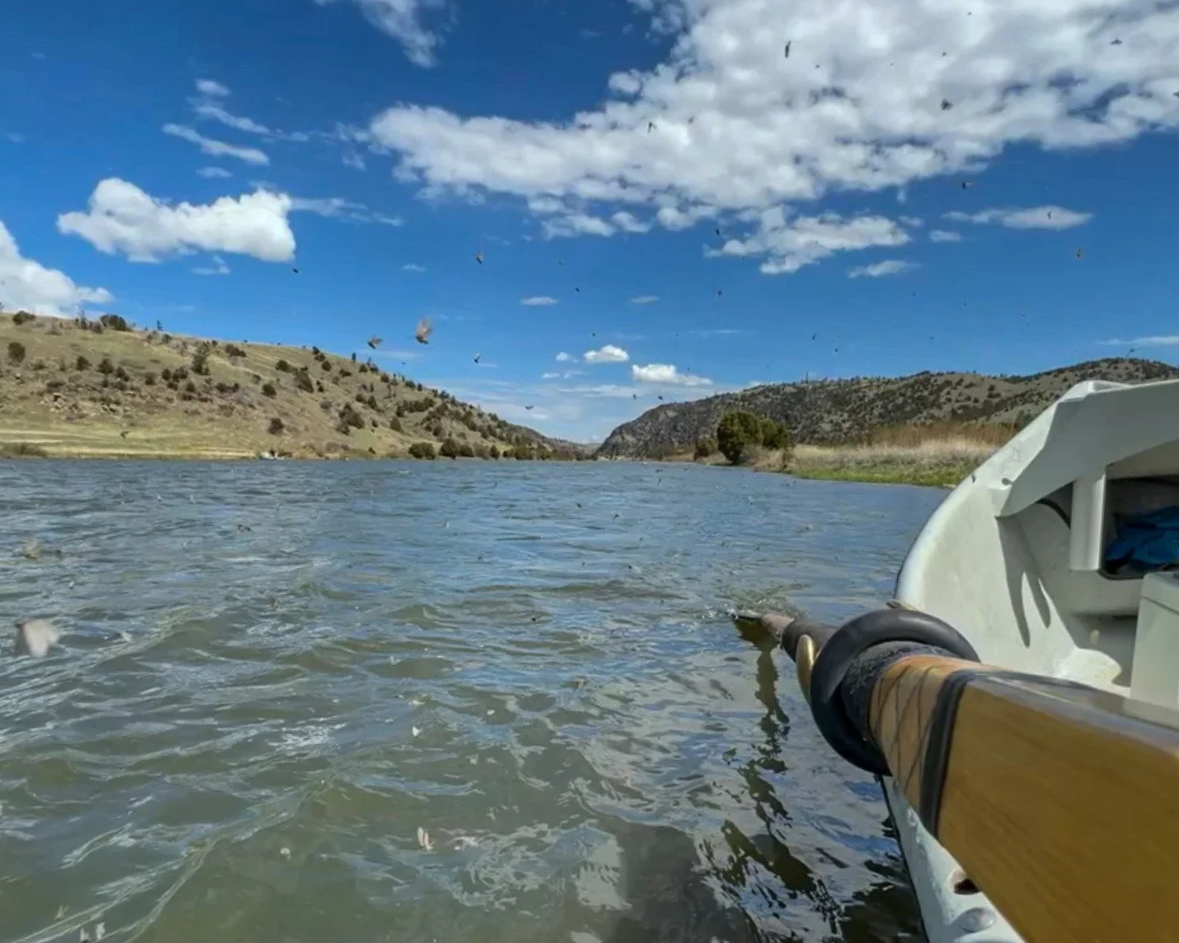
Late spring is where Montana gets tricky because runoff is looming… but you also get one of the most famous “kickoff” hatches of the year: Mother’s Day Caddis. Early to Mid May is the core window, with strong afternoon/evening emergences and egg-laying flights.
What conditions are like
Some rivers are still clear and fishing well.
Some start to spike, get dirty, and become inconsistent fast.
This is the time of year where choosing the right river matters more than choosing the “right fly.”
Key hatch
Mother’s Day Caddis (Early to Mid May), sometimes stretching later depending on river/conditions)
Often best afternoons into evening, with good action on overcast/warm days.
Honest take: how good is late spring fishing?
Can be excellent… or it can fall apart overnight. If runoff hits early, freestones can go from “great” to “nope” fast. But when it lines up, you’ll see aggressive trout, fewer crowds than summer, and legit dry-fly session. Even on tailwaters like the lower madison, weather can play a factor. If you get some cold weather it can put the hatch down, but once it warms up, its back on!
Runoff Season (Mid May–Mid/Late June): Still Very Fishable—If You Know Where to Go
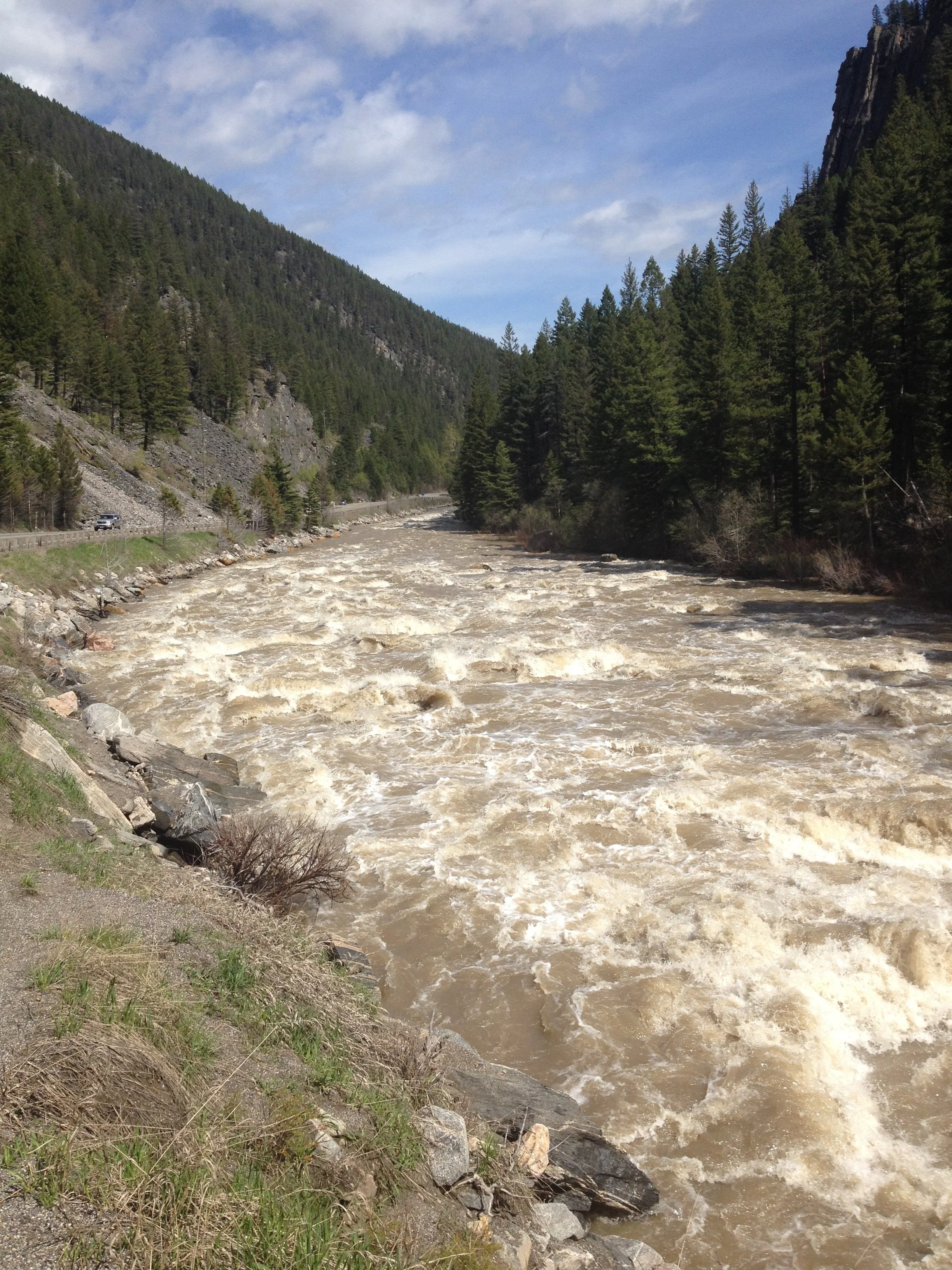
Runoff in Montana gets a bad rap, but the reality is that fishing doesn’t stop—it shifts. Freestone rivers like the Gallatin and Yellowstone blow out with snowmelt and during peak runoff remain not fishable or safe. Runoff is highly dependent on snowpack and spring weather patterns. A cool, wet spring can spread runoff out and keep conditions manageable, while a sudden warm spell can compress it into a shorter, more intense window. Either way, runoff is rarely a total shutdown, especially if you’re flexible.
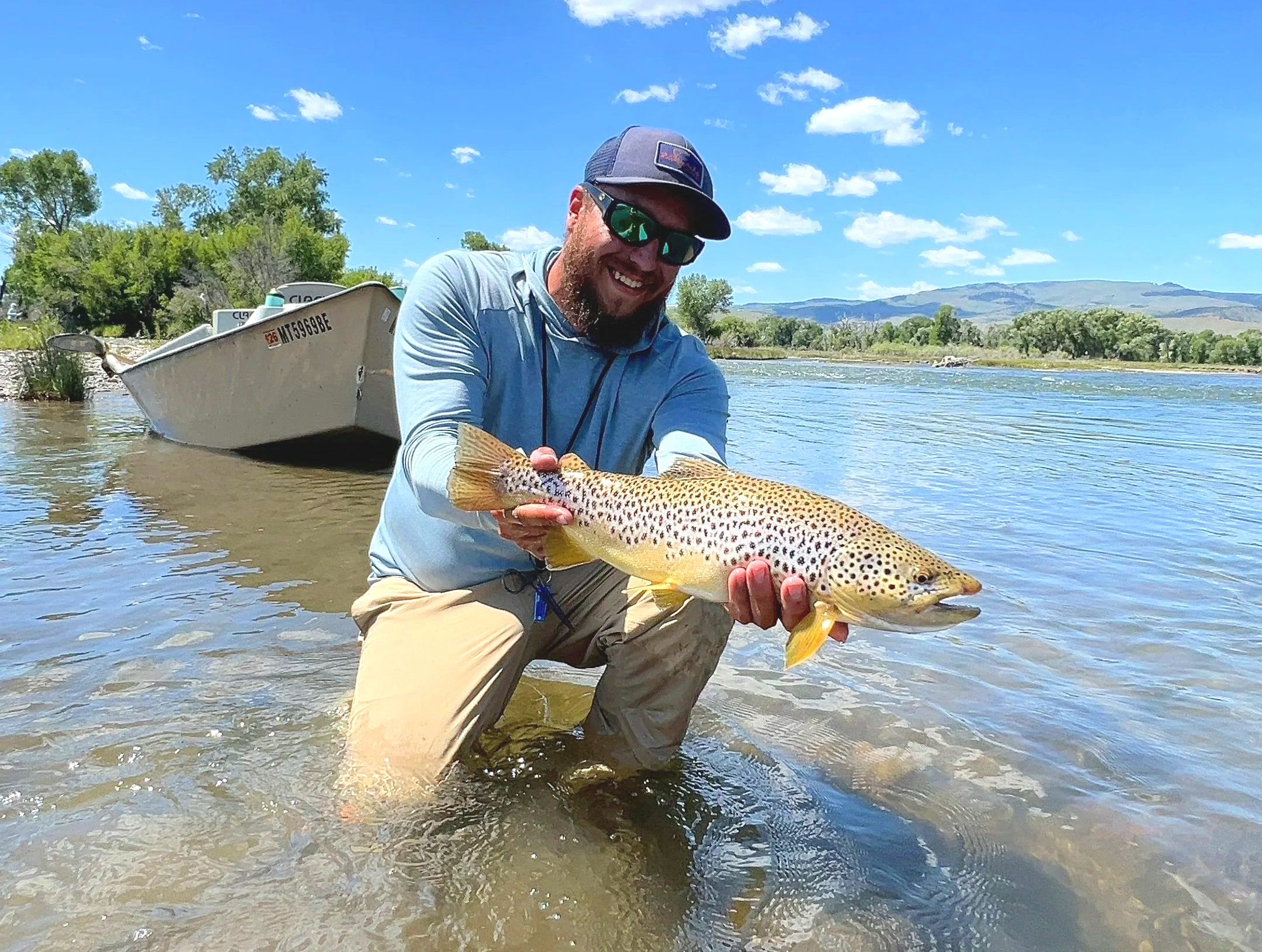
Tailwaters carry the load during runoff
Tailwaters are the backbone of runoff fishing in Montana because their flows are regulated and far less affected by melting snow.
The Upper Madison River above the West Fork Madison often stays clear and very fishable while surrounding freestones are high and dirty.
The Lower Madison River remains fairly fishable through most runoff years, offering consistent nymphing and solid streamer opportunities.
The Missouri River is one of the most reliable runoff fisheries in the state. As a large, dam-controlled tailwater, it is largely unaffected by runoff, maintaining clear water, stable flows, and dependable fishing even when many other rivers are unfishable.
Locally, most tailwaters are only impacted by runoff for a short period—typically a week or two at most, not the entire season.
Lakes: an underrated runoff sleeper
Runoff is also an excellent time to pivot away from rivers entirely and focus on stillwater fishing. As lakes begin to warm, trout cruise shallow water and feed aggressively, often making for very consistent and accessible fishing.
Fish are active and close to shore
Less pressure than peak summer
A great option when rivers are high or changing daily
Honest take: how good is runoff fishing?
Better than most anglers expect. Runoff isn’t about forcing blown-out freestones—it’s about fishing the right water. With strong tailwater options like the Upper and Lower Madison and the Missouri River, plus excellent lake fishing, runoff can still deliver productive days and lighter crowds. With a little flexibility and realistic expectations, late spring can be a surprisingly good time to fish Montana.
Summer (Late June–August): Peak Season = Big Bugs, Long Days, Lots of Options
This is what most people picture when they think “Montana fly fishing.” Post-runoff flows settle, aquatic insects ramp up, and you get the most consistent “classic” fishing across the most water.
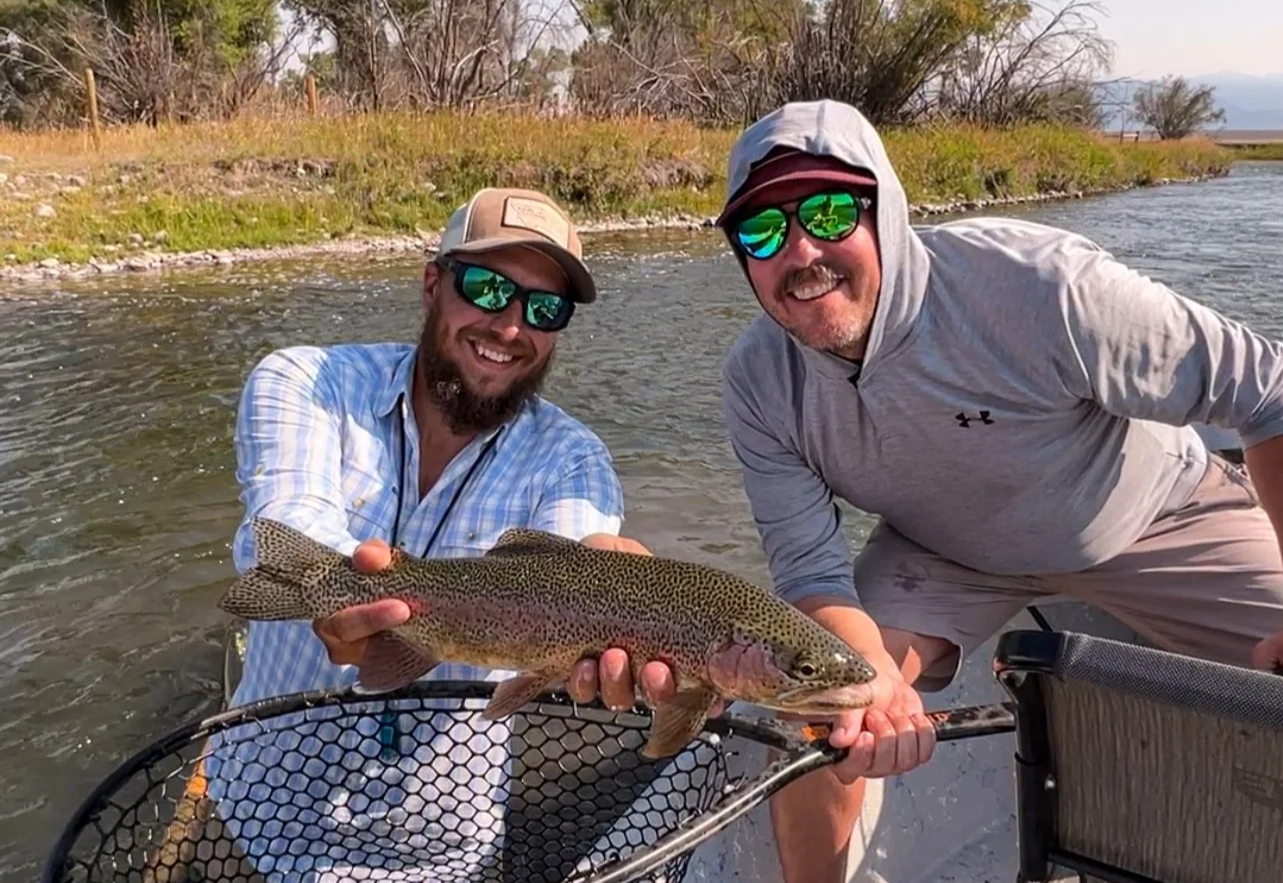
Mid-summer is the most popular time to be in Montana, and it consistently provides some of the best overall fishing conditions of the year. From late June through August, rivers settle into ideal post-runoff flows, access opens up across the state, and trout metabolism is high, leading to more aggressive and consistent feeding. Weather is typically at its best, with long daylight hours, warm mornings, and comfortable afternoons that make for classic Montana float trips and walk-and-wade days.
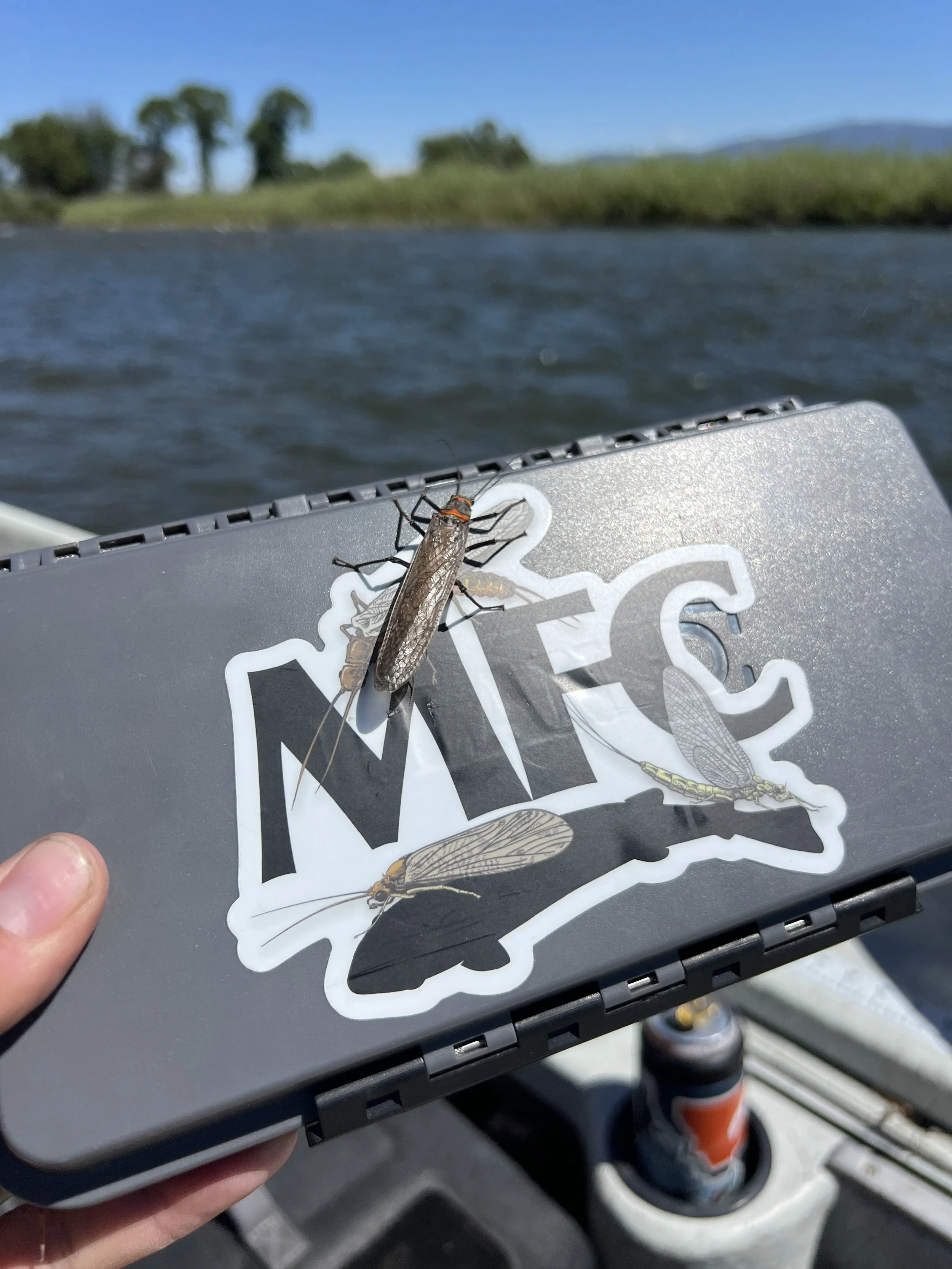
This is also when summer hatches are in full swing, including Salmonflies and other large stoneflies, followed by steady PMD and caddis activity and eventually hopper and terrestrial fishing later in the season. Dry-fly opportunities are widespread, and anglers can fish everything from big rivers to small streams and alpine lakes. The downside is that mid-summer is also the busiest time of year—popular rivers see more pressure and boat traffic, making timing and river choice more important. Even so, with the right plan, mid-summer delivers the most reliable combination of great weather, diverse hatches, and consistently good fishing across Montana.
What conditions are like
Long days, warm water in the afternoon on some rivers.
Early starts can matter during heat spells.
You may need to adjust plans around warm water temps (especially late summer).
Key summer hatches & food sources
Salmonflies / big stoneflies (late June into early July in many systems)
PMDs & other mayflies: steady mid-summer dry fly fishing on the right water.
Caddis: consistent evening action in many places.
Hoppers / terrestrials (mid-summer through early fall): some of the most fun fishing you’ll do all year.
Honest take: how good is summer fishing?
Consistently good and the most “vacation friendly.” It’s also the busiest season. If you want Montana to feel wild and uncrowded, pick your rivers/timing carefully (or fish early/late in the day).
Fall (September–October): Best “Serious Angler” Season
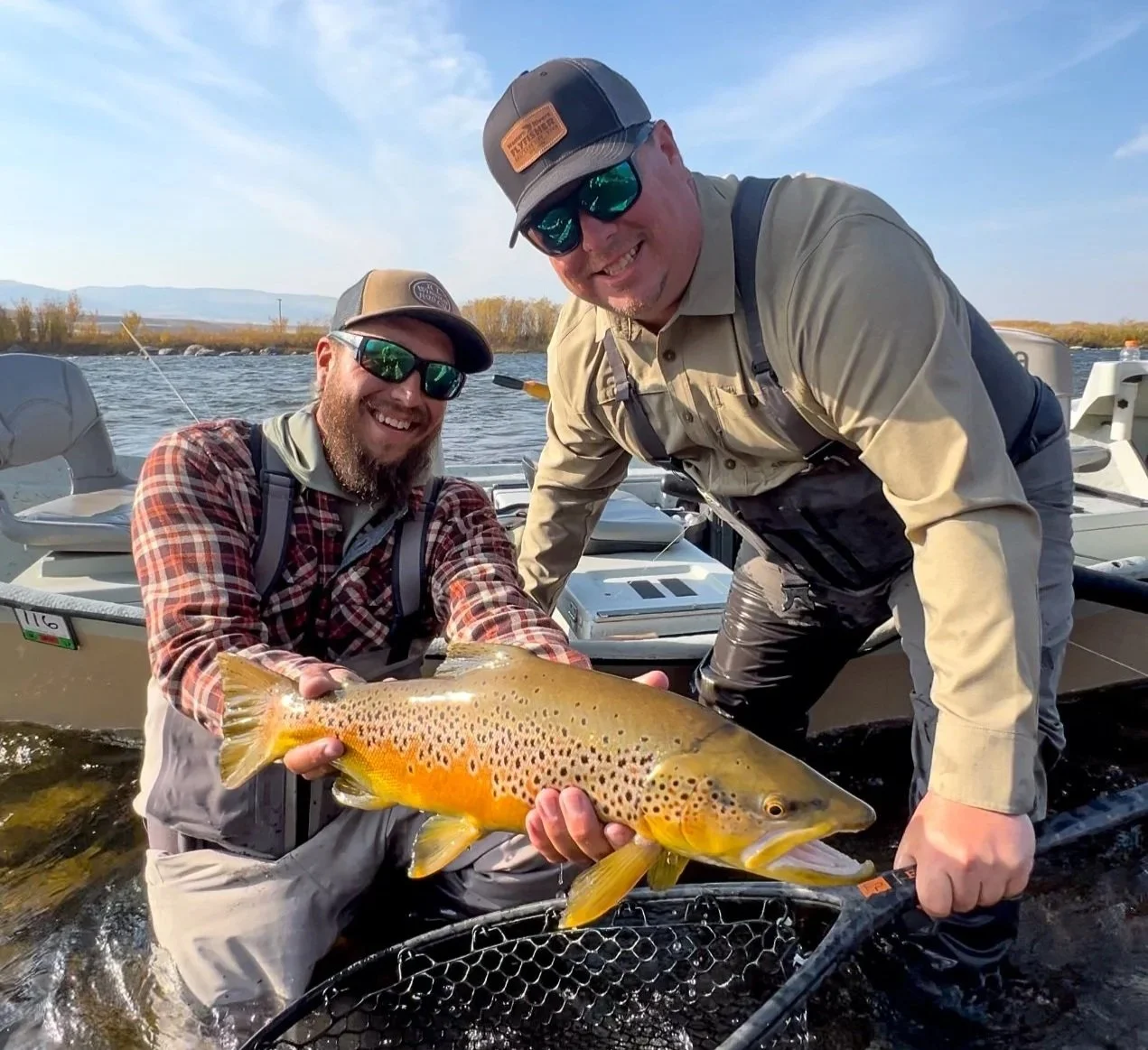
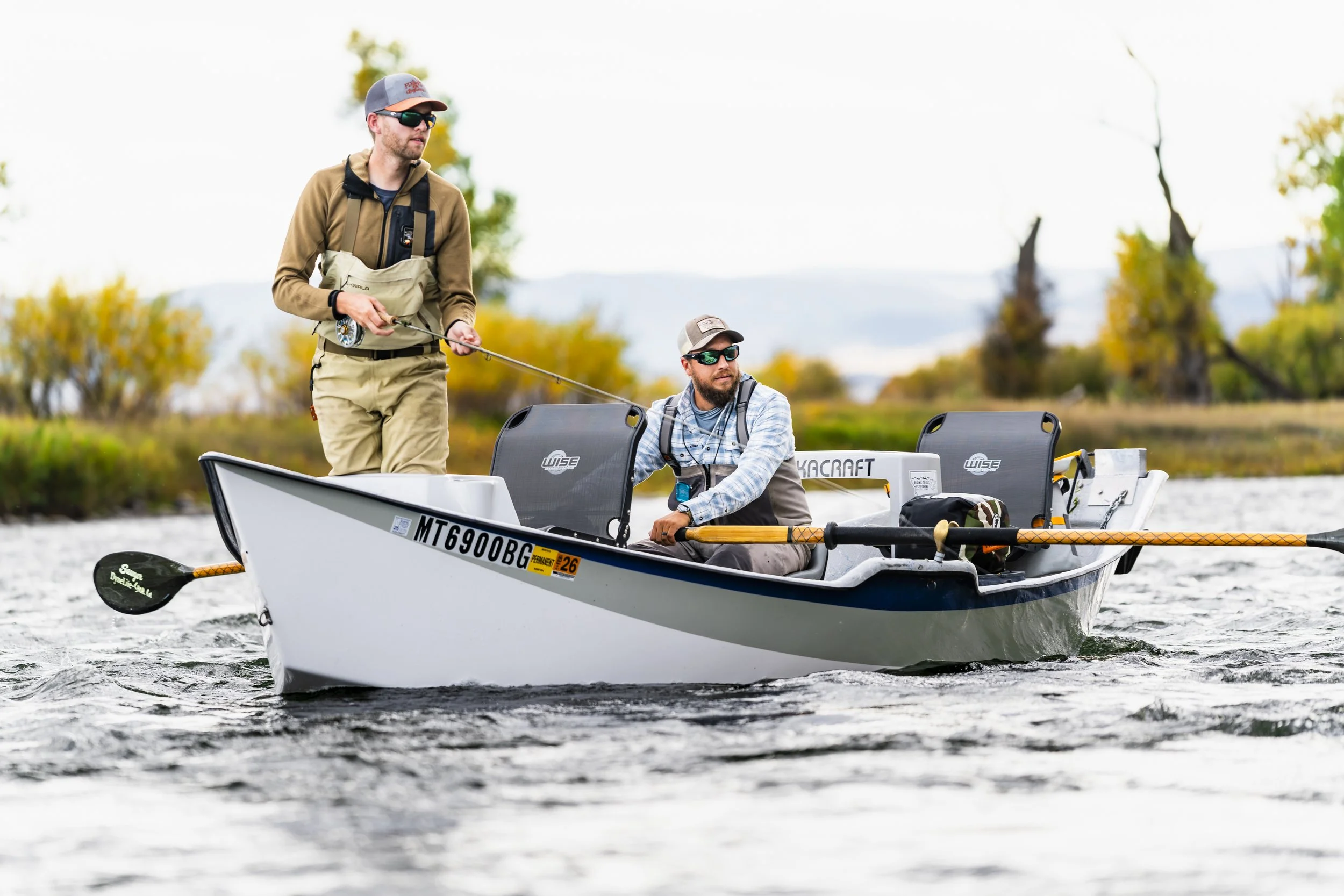
If you ask many guides what their favorite season is, fall gets a lot of votes—and it’s easy to see why. From September into October, Montana settles into a rhythm of cool nights, mild days, and stable river conditions, creating some of the most consistent fishing of the year. Crowds thin out after the summer rush, pressure drops on popular rivers, and trout feed aggressively as they prepare for winter, making fall an ideal time for anglers who value quality over chaos.
Dry-fly fishing can still be excellent early in the fall, especially during warm afternoons, while streamer fishing ramps up as water temperatures cool, often producing bigger, more committed eats. The combination of predictable conditions, fewer anglers, and hard-feeding fish makes fall one of the best seasons for targeting larger trout and enjoying Montana at its most relaxed and rewarding.
What conditions are like
Cooler nights, comfortable days.
Clear water, more predictable fishing windows.
Trout feed hard before winter.
What to expect
Dry fly fishing can still be great early fall (especially afternoons).
Streamer fishing ramps up—bigger eats, bigger opportunities.
Fall is one of the best times to target larger fish consistently.
Honest take: how good is fall fishing?
Excellent—and often the best overall balance of quality + comfort + fewer crowds. If you can only pick one season and you care about quality more than hype, fall is hard to beat.
Winter (November–February): Quiet, Technical, Surprisingly Productive (In the Right Places)
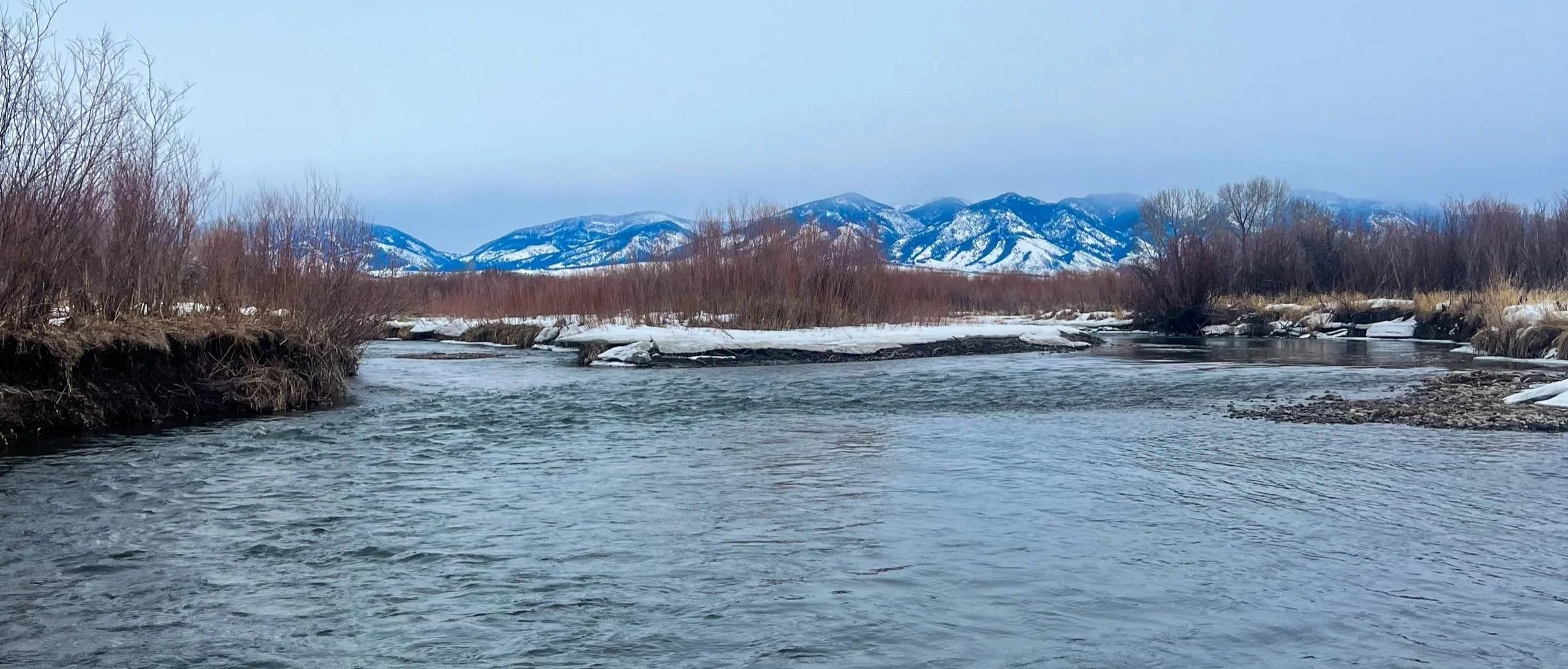
Winter in Montana isn’t about numbers everywhere—it’s about choosing waters that stay stable and fishing the warmest part of the day. Many “when to go” guides note that Montana fly fishing can extend well beyond summer/fall, with windows that still produce in cold months.
What conditions are like
Cold mornings, best fishing typically late morning through mid-afternoon.
Tailwaters and spring-influenced areas can shine.
You’re often fishing small flies and slower presentations.
What to expect
Midges are the headline act.
Occasional winter BWO-style opportunities can happen depending on river and weather patterns.
Less pressure, more solitude.
Honest take: how good is winter fishing?
Better than people think—but it’s not “summer fishing in a puffy jacket.” It’s about timing, patience, and the right water. If you like quiet rivers and technical eats, winter can be awesome.
So… What’s the Best Time to Fish Montana?
If you want the simplest answer:
Best overall consistency (classic Montana experience):Late June through August
Best mix of quality + fewer crowds:September and October
Best sleeper season (amazing days, low pressure):April into early May (pre-runoff)
Most unpredictable (but can be great with the right plan):Runoff (mid May–mid/late June)
Montana offers world-class fly fishing in every season, but the key to a great trip is understanding how conditions, hatches, and river behavior change throughout the year. From underrated spring windows and adaptable runoff options to peak summer dry-fly fishing and aggressive fall trout, there’s always a “right time” to be on the water—it just depends on your goals, flexibility, and expectations. When anglers match the season to the experience they’re looking for, Montana consistently delivers unforgettable days on the river.
Ready to plan your trip? Booking a guided fly fishing trip takes the guesswork out of timing, river choice, and fly selection. At Rising Trout Fly Fishing Outfitters, we help match your dates to the best seasonal opportunities, adapt daily to conditions, and put you on the water that’s fishing best. Whether you’re chasing dry flies, big trout, or your first Montana fish, reach out today to lock in your dates and experience the best fly fishing Montana has to offer.