Current Mid-Winter Fly Fishing Report & Update
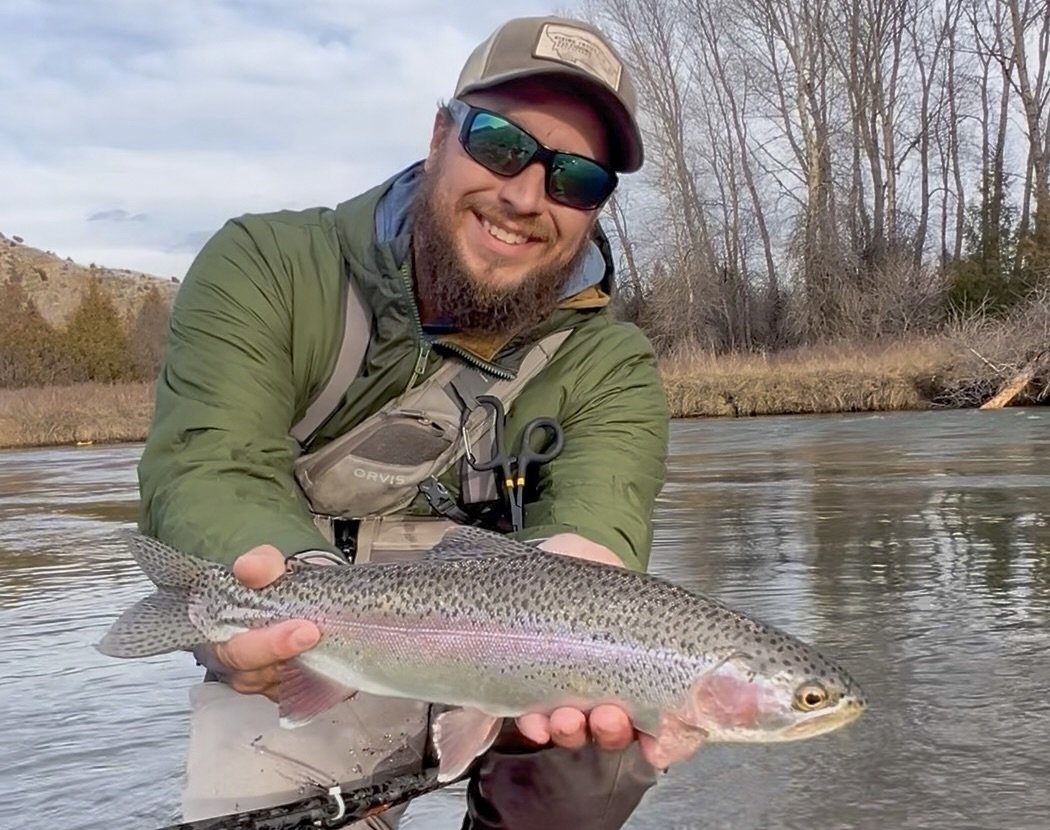
Mid-Winter Fly Fishing Report & Update for Bozeman Area Rivers
Madison River • Gallatin River • Yellowstone River
Updated: January 5, 2026
Mid-winter in Southwest Montana usually means cold fingers, short days, and a narrow bite window—but this winter has started a little “off script.” Across much of the region, we’ve seen a strange start to winter with limited/spotty ice and more open-water opportunity than you’d expect for early January. That doesn’t mean it’s “easy” fishing—winter is still winter—but if you time it right (and fish smart), you can absolutely have solid days on the water right now.
Below is a mid-winter fishing update for our home rivers near Bozeman, the best flies and rigs producing lately, a snowpack check, and what we’re watching as we head into the second half of winter.
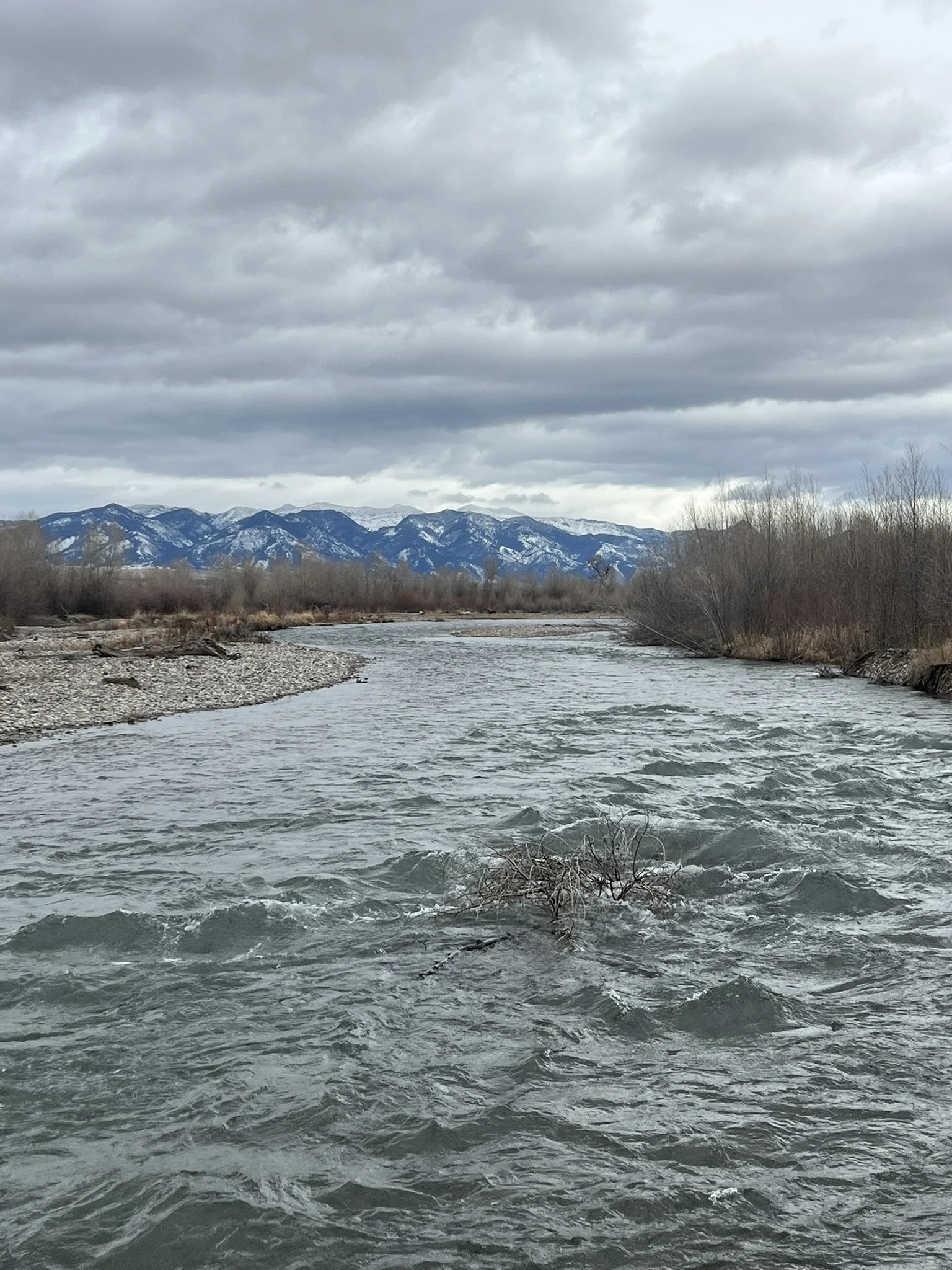
Current winter weather trends: what we’re seeing on the water
The consistent theme from the Bozeman area is open water is still in play, but the bite window is short and most reliable mid-day. Most of southwest Montana conditions have can be described as unseasonably warm at times, which can help keep fish active—especially when clouds and lower light line up.
Guiding mindset right now: plan your day around the warmest part of the day, fish slower/deeper holding water, and keep your rigs clean and intentional.
Best winter flies working right now (confidence menu)
Across the board, fishing has followed a textbook winter pattern, with midges, small mayfly nymphs, worms, eggs, Sowbugs, Scuds and rubberlegs producing consistently, while streamers and dries remain a situational option when conditions are right.
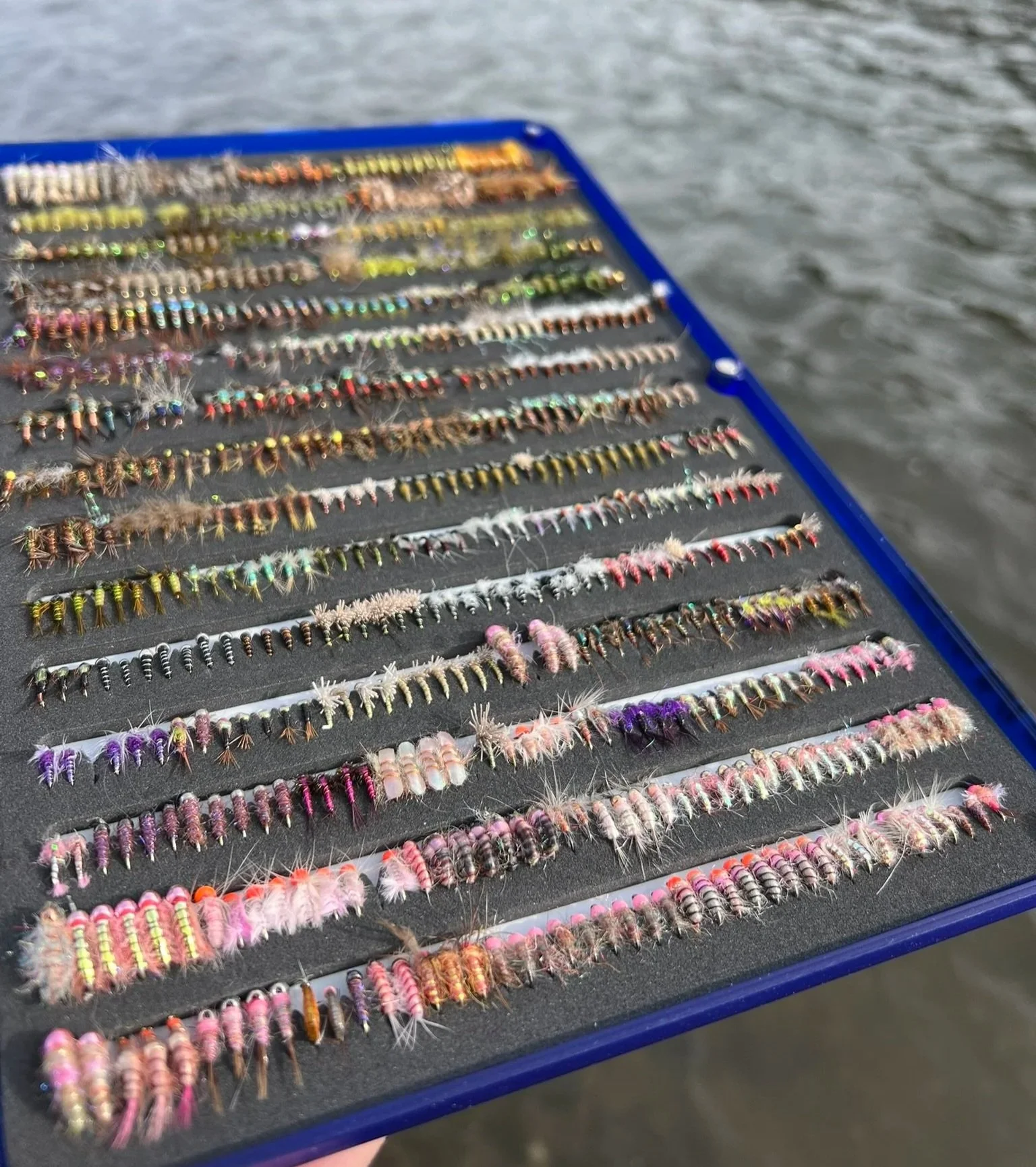
Our go-to winter producers
Nymphs & droppers
Zebra Midge / thread midge patterns (black/red are staples)
Scuds & Sowbugs - Tailwater Classics (Especially on the Madison)
Rainbow Warrior / Lightning Bugs (Bright Day = Bright Fly)
Small mayfly nymphs + perdigon-style bugs (great for getting down)
Pat’s Rubber Legs / smaller rubberlegs (stonefly-style attractor)
Worms and egg-style patterns (especially when flows/clarity fluctuate)
Streamers
Small-to-mid profile streamers when you’ve got softer edges, a little color, or low light (expect fewer grabs, but better chances at a quality fish)
Dry Flies
Midges - Griffiths Gnat, CDC Midge, High Viz Midge, Brooks Sprout Midge
River-by-river: how it’s been fishing
Madison River (winter update)
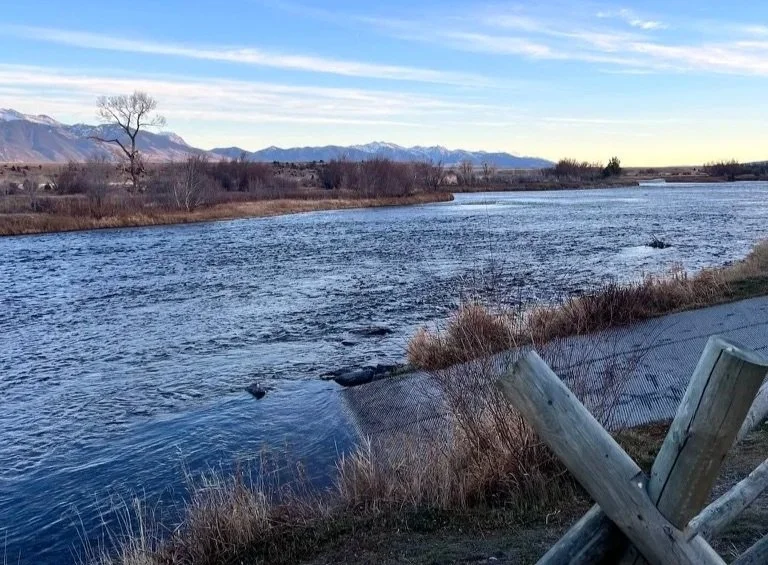
On the Madison in mid-winter, think slow and deliberate. Focus midges and small nymphs fished during the warmest mid-day window, and make every drift count. Trout are holding in slower, deeper water where they can conserve energy, so small stoneflies, worms, and zebra midges fished close to the bottom are your most consistent producers.
How we’re approaching it: slow seams, deeper slots, and softer edges—especially anywhere the current speed is closer to “walking pace” than riffle speed.
Gallatin River (winter update)
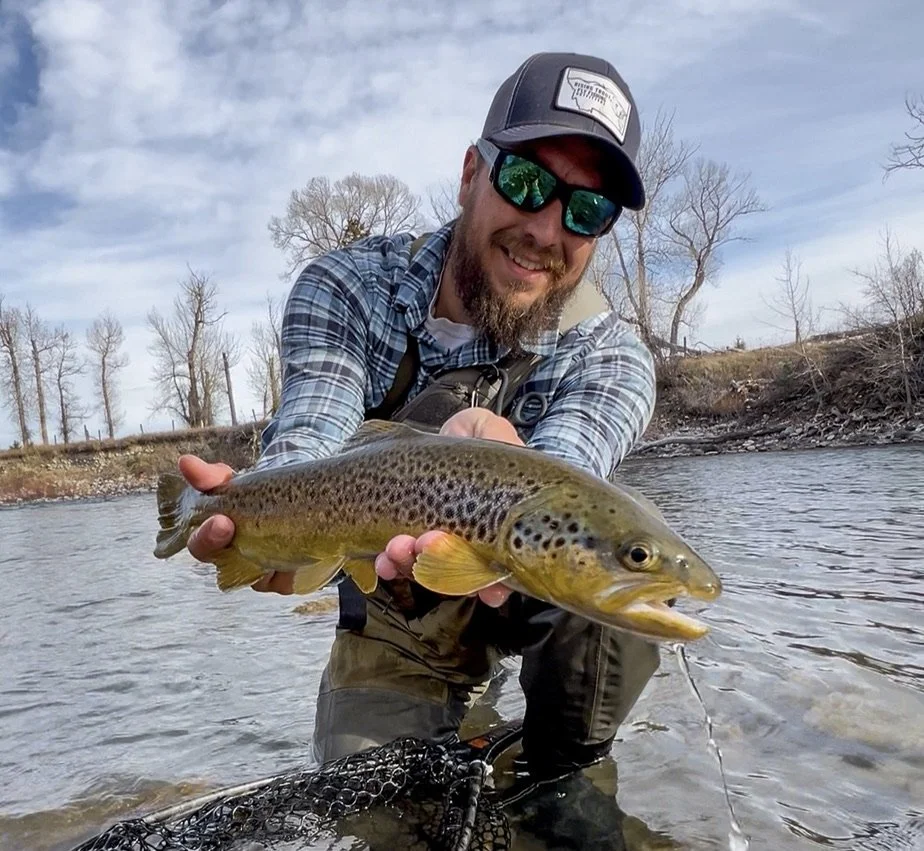
The Gallatin is one of the most dependable winter rivers near Bozeman if you approach it the right way. Focus your efforts during the warmest part of the day, target slower-moving holding water, and fish a double-nymph rig (adjusting weight and depth) to keep your flies in front of trout that are glued to the bottom.
Patterns mentioned consistently include:
Small rubberlegs, worms, midges, mayfly nymphs, and perdigons
Yellowstone River (winter update)
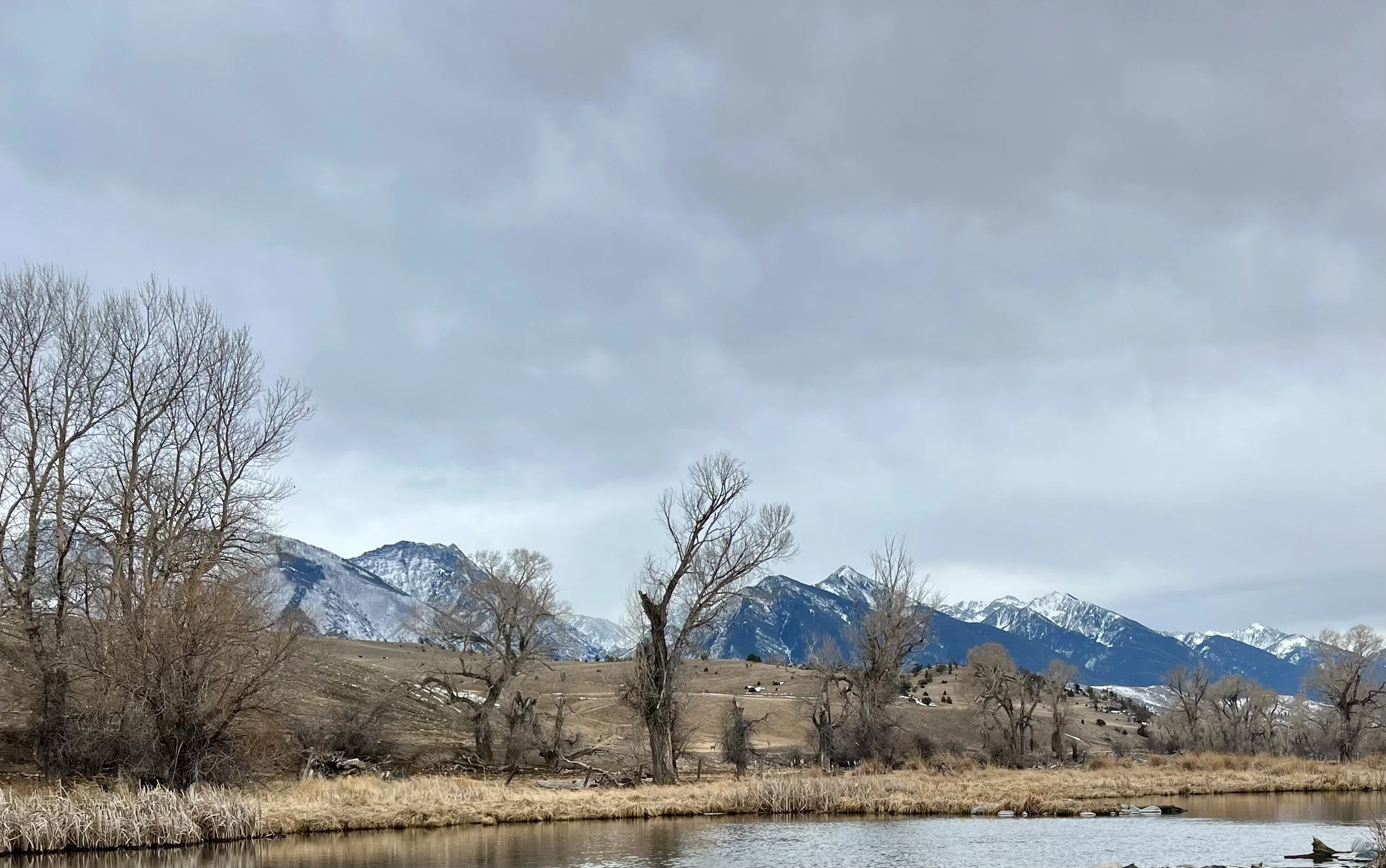
The Yellowstone in early winter requires patience, but it will reward you when you fish it on its terms. Focus on midges and deep nymphing, pay close attention to light and water temperature, and time your effort around the warmest part of the day when trout are most likely to feed.
What we’re watching: shelf ice and slush can show up quickly in cold spells on certain stretches, so we stay mobile and prioritize safe access and clean wading lines.
Current snowpack: where we stand (and what it means)
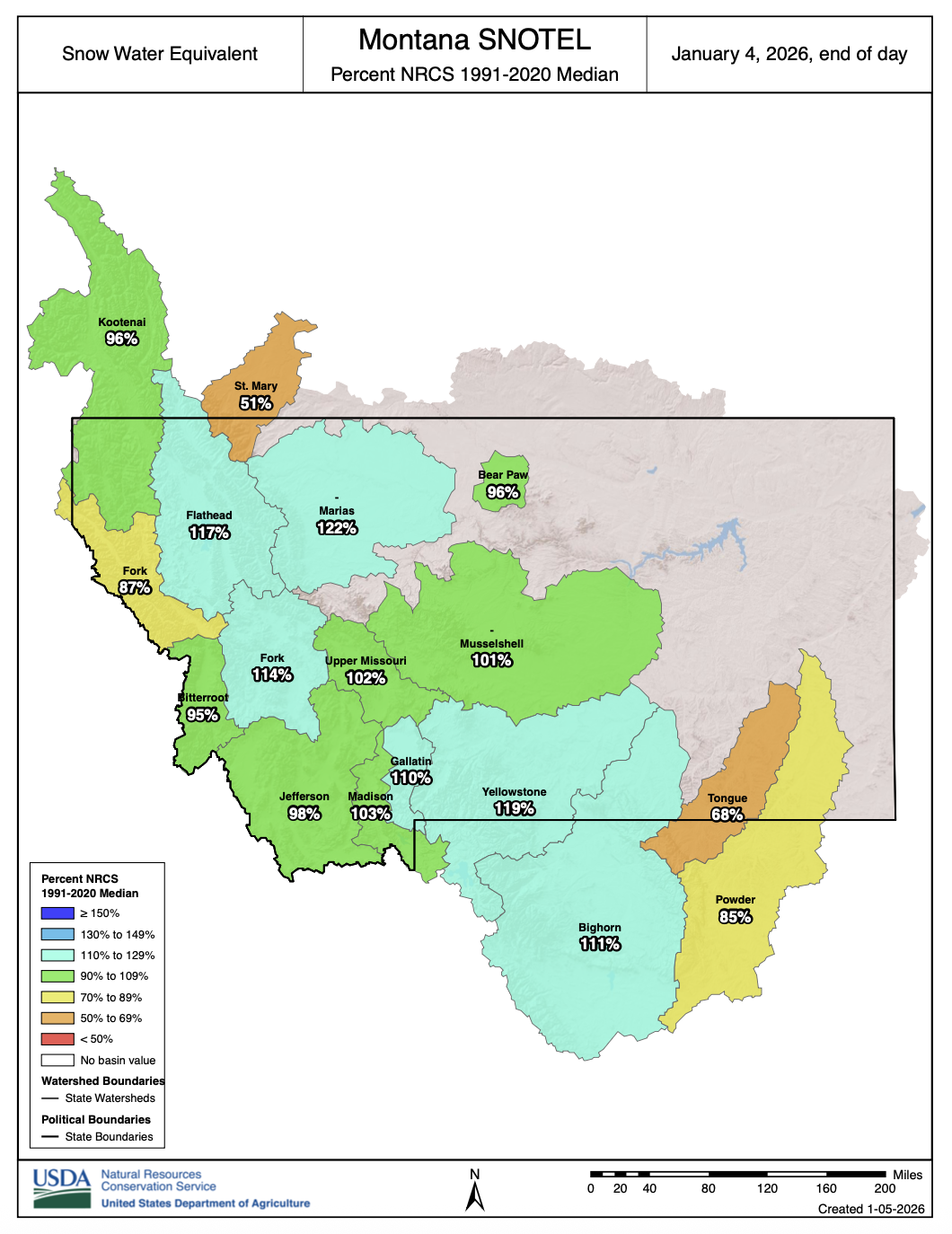
As of Monday, January 5, 2026, NRCS SNOTEL basin show:
Madison River Basin: 103% of median snow water equivalent
Gallatin River Basin: 110% of median
Upper Yellowstone River Basin: 119% of median
(These SNOTEL numbers are provisional and will shift with storms and warmups.)
What that means for fishing
Near-term (mid-winter) snowpack doesn’t “flip a switch” on winter fishing, but it’s a good sign for watershed health and spring water supply. Currently sitting at or near “average snow pack” is a good thing.
Looking ahead to runoff and summer flows
This is always the million-dollar question. Ask a hundred guides what summer will look like and you’ll get a hundred different answers. There are a lot of variables that shape our summer flows, and most of them are out of our control.
Right now, despite some unseasonably warm temperatures, our snowpack is sitting around average, which is a solid place to be heading into the heart of winter. Ideally, those numbers continue to build, setting us up for healthy runoff and good summer conditions.
The biggest wild cards are spring and early summer weather. A cool, wet spring helps preserve snowpack longer and spreads runoff out over time. A warm, dry spring can melt snow quickly, leading to lower flows and warmer river temperatures later in the season—especially if summer also trends hot.
Last year was a good reminder of how unpredictable things can be. We started with average snowpack and had a warmer spring, but a cooler-than-normal summer helped stabilize flows and ultimately saved the season. When it comes to predicting summer conditions, it’s truly a wait-and-see game, and we’ll keep adjusting as the year unfolds.
Look ahead: the second half of winter (what usually improves)
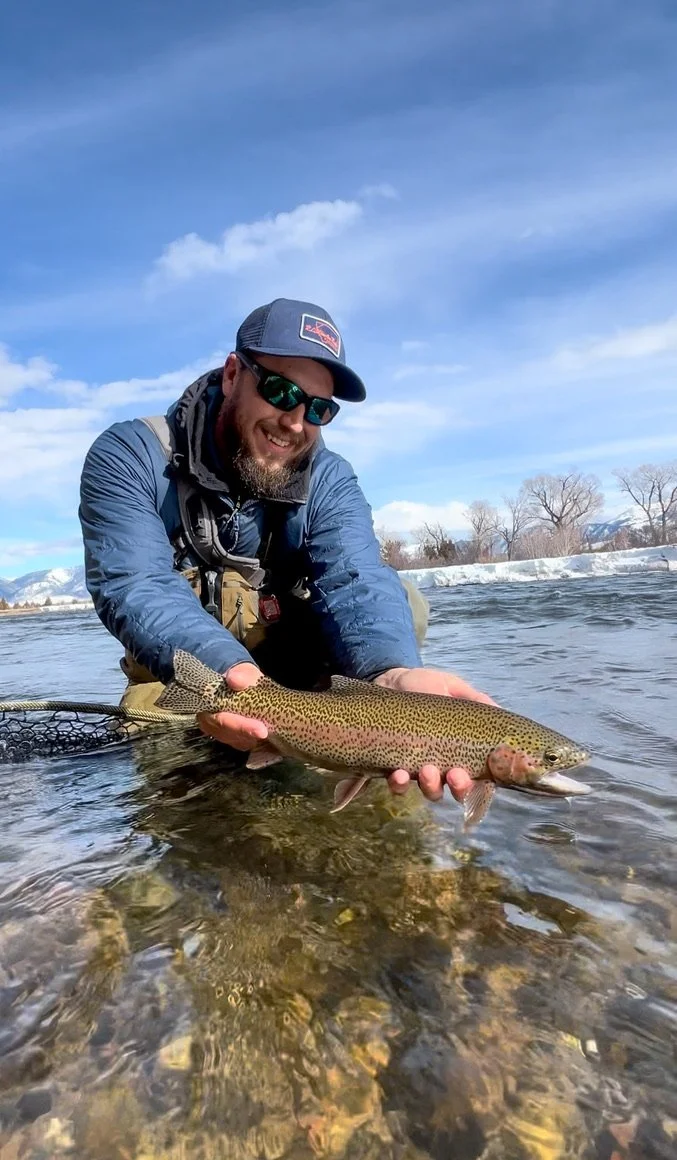
Keep doing those snow dances, hopefully the next few months look like winters past!
From here into late winter:
Days get longer and we get more consistent midday warming
Midge activity tends to stay present, and late winter can fish better than early winter when light and water temps trend up a touch. The closer we get to spring the more the river comes to life with bug life.
Expect the same core program: slow water + deep drifts + small bugs, with the occasional streamer window when conditions are right.
Current fishing reports
Want the most up-to-date, river-specific notes before you go?
→ Read our Current Fly Fishing Reports
(Madison • Gallatin • Yellowstone )
Book a winter trip
If you’d rather skip the guesswork and fish the best water for the day’s conditions, we’re running winter guided trips for $500 on the Madison or Gallatin. Mid-winter is one of the best times for hands-on coaching, dialing in your nymph rigs, and learning how to consistently find fish in cold water.