Best Hopper Patterns for Fly Fishing Near Bozeman Montana
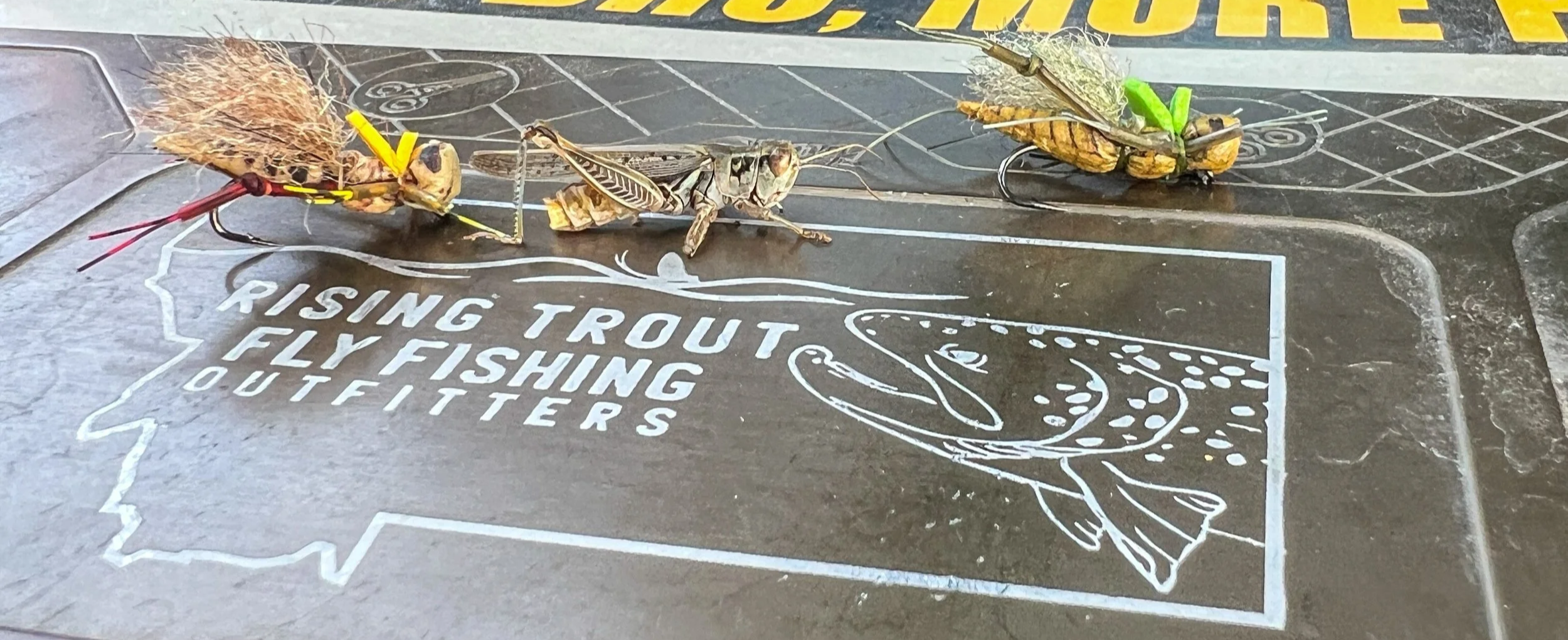
Five of the Best Hopper Flies for Fishing Near Bozeman, Montana
Hopper season is one of the most exciting times to fly fish around Bozeman. There is nothing quite like watching a trout slide out from underneath a grassy bank and eat a big dry fly on the surface.
Hopper fishing generally becomes more consistent as summer progresses and the grasses along the rivers begin to dry out. Windy afternoons can be especially productive because more terrestrials are knocked into the water. Around Bozeman, we use hopper patterns on the Madison, Gallatin, Yellowstone, and many of the smaller creeks throughout southwest Montana.
There are hundreds of hopper patterns available, and nearly all of them can catch fish under the right conditions. However, these five patterns have earned permanent spots in our boxes because they cover everything from highly realistic presentations to buoyant attractors capable of supporting a dropper.
1. Henneberry Hopper
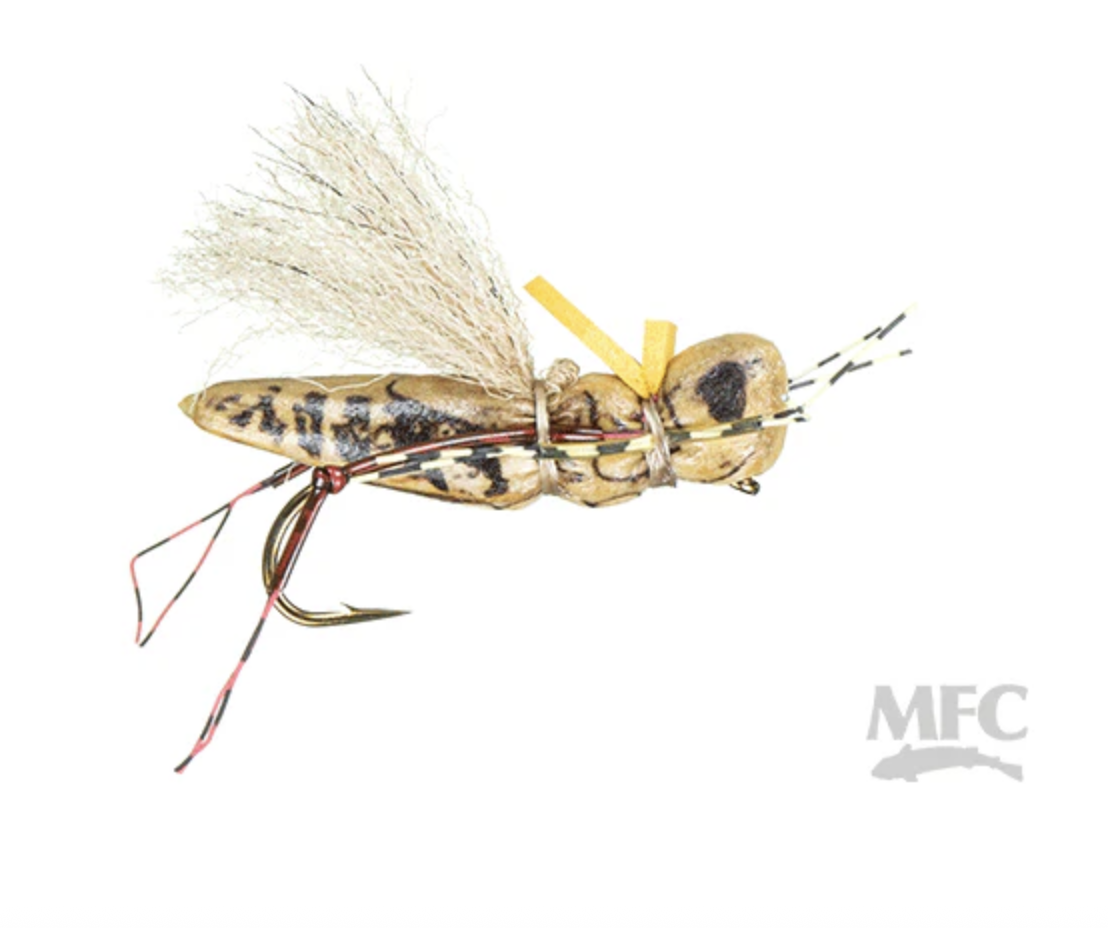
The Henneberry Hopper is one of our favorite patterns when trout are getting a good look at the fly. Its detailed body, natural profile, and realistic legs make it an excellent choice for clear water, slower banks, side channels, and fish that have already seen plenty of oversized foam flies.
Despite its realistic appearance, the Henneberry still floats well and has a visible synthetic wing that makes it easier to track. We especially like it later in the summer when the fish have become a little more selective.
This is a great fly to place close to a grassy bank and allow to drift naturally. A subtle twitch can also help imitate a struggling grasshopper, but it is usually best to let the fly settle before adding movement.
Why we like it: It offers the realism of a more traditional hopper while retaining the flotation and visibility needed for everyday fishing.
Suggested sizes: 10–12
Best colors: Tan, Olive, and natural yellow
2. Thunder Thighs Hopper
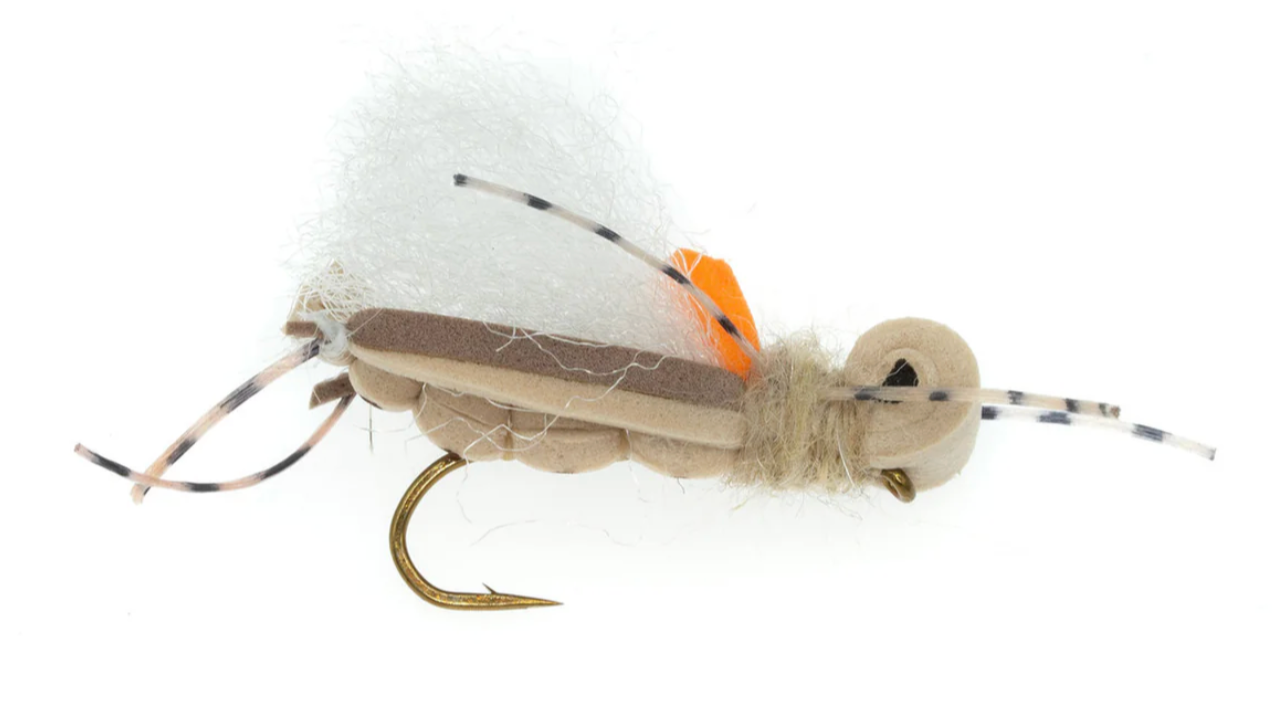
The Thunder Thighs Hopper has a big profile, substantial foam body, and lively rubber legs. It lands with enough commotion to attract attention but still has a recognizable grasshopper shape.
This is a pattern we like for fishing faster banks, deeper drop-offs, riffle edges, and sections of river where trout need to notice the fly quickly. It can be dead-drifted, twitched, skated, or used as the top fly in a dry-dropper setup.
The thicker rear legs are one of its most noticeable features. Those legs add movement while the fly drifts, especially when small waves or currents move across the surface. The foam body also makes it durable enough to withstand repeated casts and aggressive eats.
Why we like it: It is easy to see, floats well, and has enough movement and profile to pull fish out of heavier water.
Suggested sizes: 8–12
Best colors: Tan, pink, and yellow
3. Chubby Chernobyl
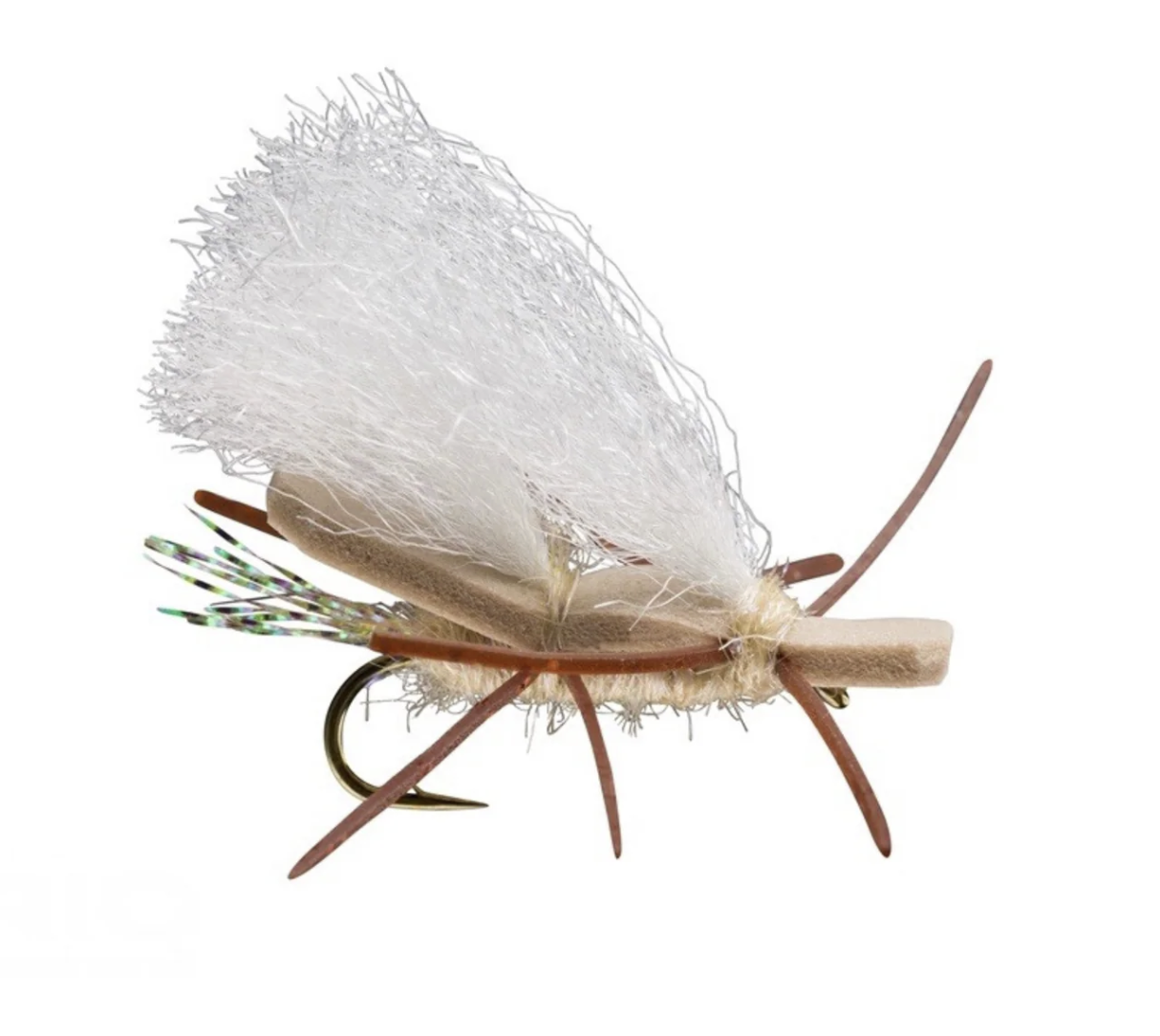
The Chubby Chernobyl may not be a perfect imitation of one specific insect, but it remains one of the most dependable big dry flies in Montana. Depending on its size and color, it can suggest a grasshopper, golden stonefly, salmonfly, cricket, or simply a large meal struggling on the surface.
One of the biggest advantages of the Chubby is its versatility. It floats high, is easy for anglers to see, and can support a weighted nymph. That makes it an excellent choice for hopper-dropper fishing on the Madison and Gallatin, where you can cover both the surface and the water column underneath it.
We often choose a Chubby when prospecting faster water or when we are not sure whether the fish are fully committed to eating hoppers. Even when the trout are not eating the dry consistently, the Chubby remains a useful and highly visible suspension fly.
Why we like it: It is durable, visible, buoyant, and useful across a wide range of rivers and conditions.
Suggested sizes: 8–14
Best colors: Tan, Peach, Golden, Purple, and Black
4. Morrish Hopper
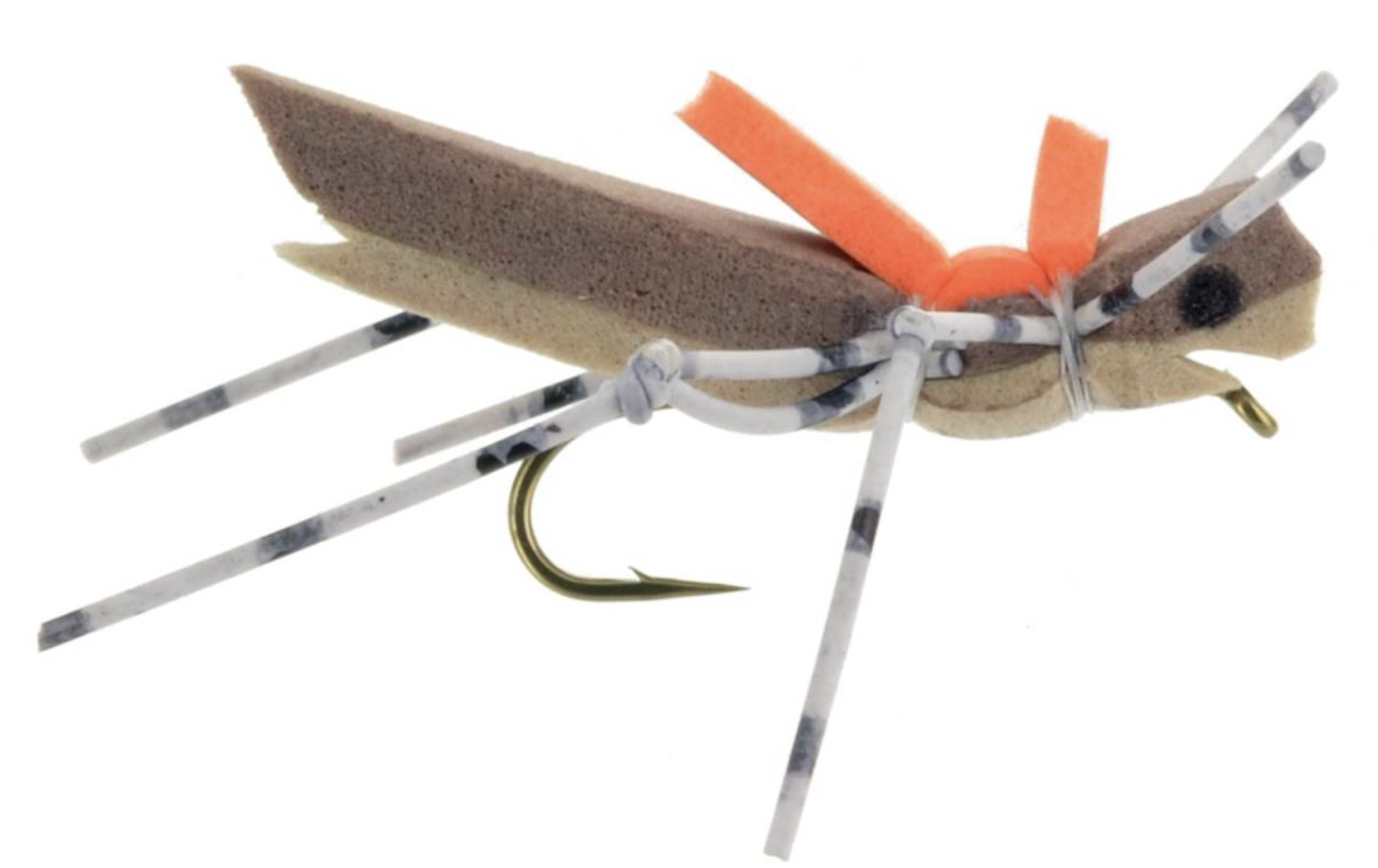
The Morrish Hopper combines a clean, realistic hopper profile with the durability of a modern foam fly. Its layered body rides relatively low and flat on the water, which can create a more natural silhouette than some taller attractor patterns.
This is a great choice when fish are willing to eat a hopper but seem hesitant to commit to a bulky fly. The Morrish Hopper is especially effective along slower grassy banks, undercut edges, side channels, and calm pieces of water where trout have more time to inspect their food.
The rubber legs provide movement without making the fly overly complicated. Its layered foam construction also allows it to carry a modest dropper, although we often prefer to fish it by itself when trout are seriously looking up.
Why we like it: It gives us a realistic profile without sacrificing flotation or durability. Its dense, layered foam body is designed to remain buoyant in faster water and can also handle hopper-dropper fishing.
Suggested sizes: 8–14
Best colors: Tan, Yellow, and Pink
5. Water Walker
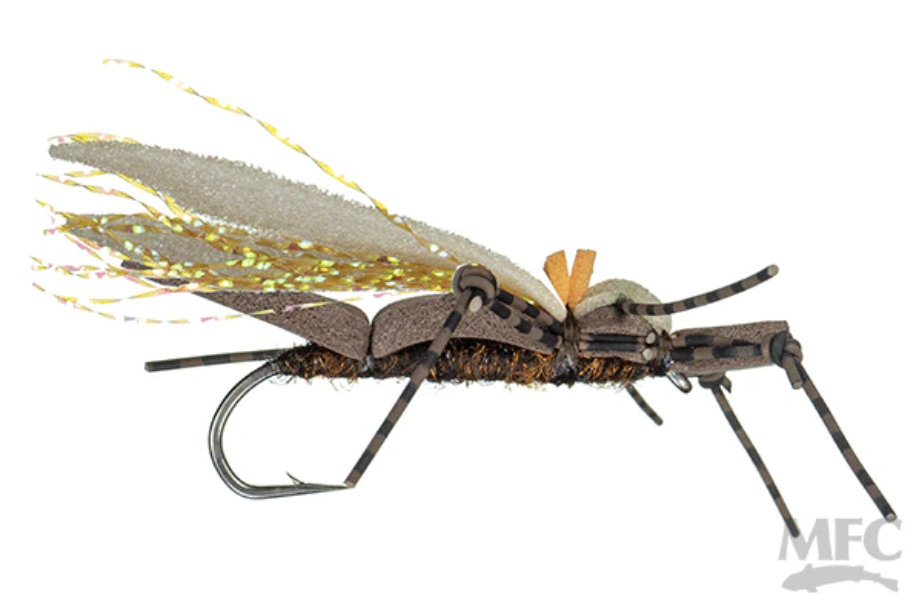
The Water Walker is a western favorite that can imitate both a grasshopper and a large stonefly. That crossover ability makes it particularly valuable around Bozeman, where stoneflies can overlap with the beginning of terrestrial season.
Its foam body and wing help it stay on the surface, while the knotted rubber legs hang below the fly and create movement in the water. A little flash underneath the wing can also help the pattern stand out in broken or slightly off-color water.
We like the Water Walker for prospecting banks, fishing riffles, and covering water when trout could be eating either stoneflies or terrestrials. It is also a dependable choice for suspending a dropper underneath the dry.
Why we like it: It covers multiple food sources and works in everything from pocket water to long grassy banks.
Suggested sizes: 8–12
Best colors: Brown, Gold, Tan, Yellow
How We Fish Hoppers Around Bozeman
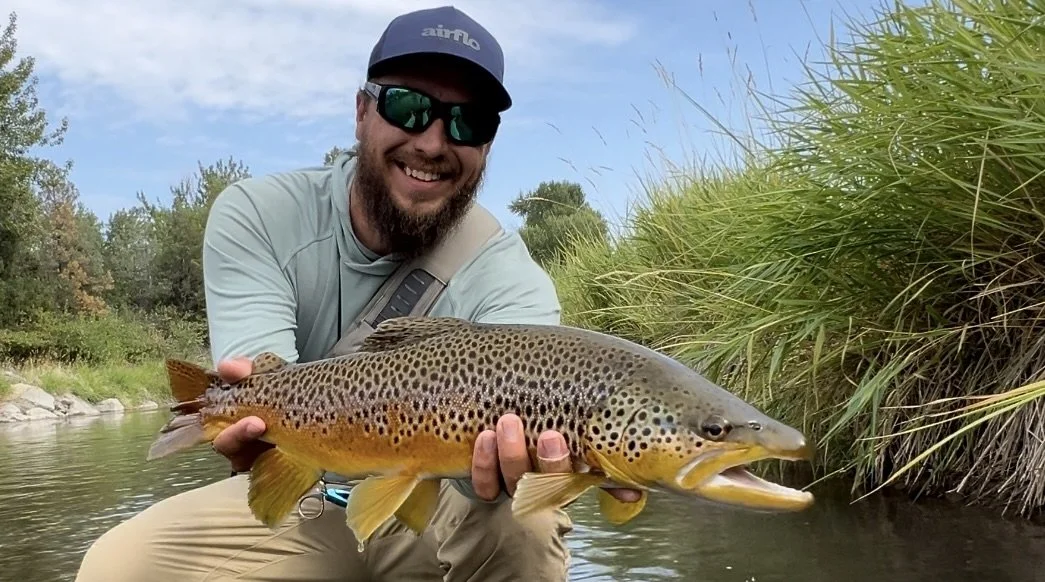
Most of the time, we fish hoppers close to structure rather than casting them randomly into the middle of the river. Grassy banks, undercut edges, submerged logs, foam lines, riffle corners, and the soft water beside faster currents are all good places to start.
Allow the fly to land firmly, but give it a moment to settle before moving it. A natural dead drift is often all you need. When that does not produce, add one small twitch and then let the fly drift freely again. Too much movement can make the presentation look unnatural.
Leader length and tippet size should match the water. Heavier tippet can help turn over large foam flies on windy days, while longer leaders and lighter tippet may be necessary on clear, slow water. Adding a small nymph or perdigon beneath a buoyant hopper is also one of the most effective ways to search unfamiliar water.
Finding the Right Hopper
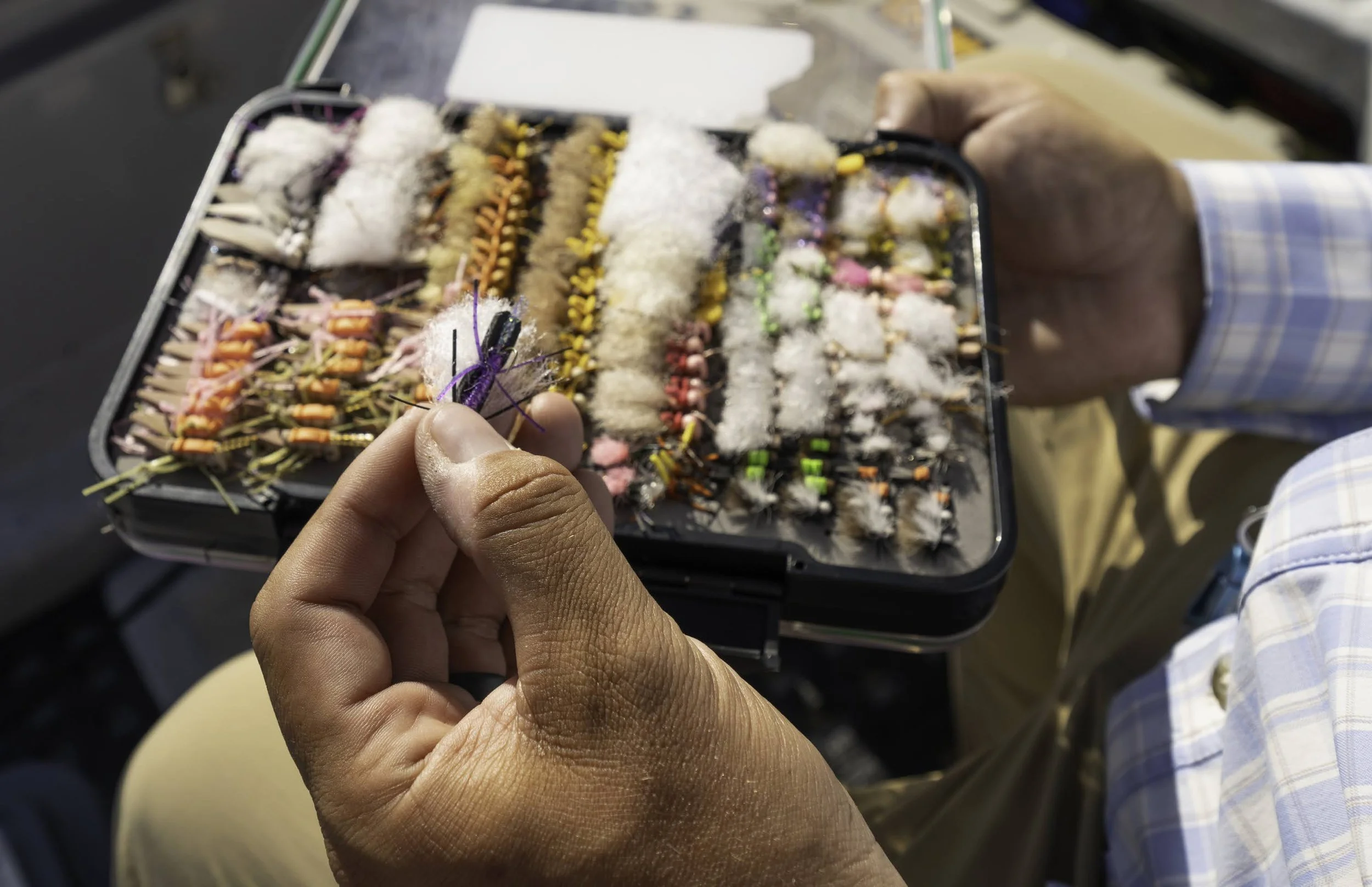
There is no single hopper that will be the best choice every day. Some fish respond to a large, highly visible attractor, while others prefer a smaller and more realistic pattern.
That is why we carry a mixture. The Henneberry and Morrish Hopper give us realistic options. The Thunder Thighs provides movement and a noticeable profile. The Chubby Chernobyl is our dependable dry-dropper workhorse, and the Water Walker covers both hopper and stonefly situations.
Hopper fishing near Bozeman can produce some of the most memorable eats of the season. Put the fly close to the bank, let it drift naturally, and be ready. The next rise might be much more than a small splash.
Ready to experience hopper season in Montana? Rising Trout Fly Fishing Outfitters offers guided fly fishing trips on the Madison, Gallatin, Yellowstone, and other waters near Bozeman.