Hoot Owl Restrictions and Hoppers: A Mid-July Bozeman Fly Fishing Update
Hoot Owl and Hoppers
Mid-July has arrived in Southwest Montana, and with it comes warmer weather, earlier mornings, terrestrial fishing, and the yearly conversation surrounding hoot owl restrictions.
The important thing to understand is that hoot owl restrictions do not mean fly fishing around Bozeman has shut down. Far from it. There is often a dark cloud of doom and gloom when the topic of hoot owl comes up. Understanding it and being responsible around where you’re fishing make all the difference. Yes, we have some restrictions currently being enforced but fishing has been really good on several of our primary rivers, fish are looking up, hoppers are beginning to make an appearance, and we still have some great water options available.
It simply means that anglers need to pay closer attention to where they are fishing, when they are fishing, and what the water temperatures are doing throughout the day.
What Are Hoot Owl Fishing Restrictions?
A hoot owl restriction prohibits fishing from 2 p.m. until midnight on a designated section of river. Anglers can still fish that water from midnight through 2 p.m., although getting started early in the morning is generally the best and most responsible approach.
Montana Fish, Wildlife & Parks puts these restrictions in place when warm water, low flows, or a combination of both creates stressful conditions for trout. FWP commonly considers restrictions when water temperatures reach or exceed 73 degrees for three consecutive days.
Warm water contains less dissolved oxygen. Hooking and fighting a trout adds another layer of stress, and its ability to recover after being released decreases as water temperatures climb. Hoot owl restrictions are designed to protect the fishery during the hottest portion of the day while still allowing anglers to enjoy the cooler morning window.
As of July 15, restrictions around Bozeman include the entire East Gallatin, the Lower Gallatin from Cameron Bridge Road to the headwaters of the Missouri, the entire Jefferson River, and the Lower Madison from the NorthWestern Energy powerhouse footbridge to its confluence with the Jefferson. The short section of the Madison between Madison Dam and the powerhouse footbridge is under a full fishing closure.
There is also a hoot owl restriction on the Madison inside and immediately upstream of Yellowstone National Park, from the park’s upstream boundary to Hebgen Reservoir. The main Upper Madison between Hebgen Lake and Ennis remains a separate section and is completely open and free of any hoot owl restrictions at the time of this post, so always double-check the current FWP restriction map rather than assuming the entire Madison River is affected.
Why Are Some Rivers Affected Before Others?
Many of the rivers currently under restrictions are lower-elevation fisheries that naturally warm more quickly during July.
The Lower Gallatin, East Gallatin and Jefferson can also experience reduced flows associated with irrigation and agricultural water use. Combine that with a below-average snowpack year, hot daytime temperatures and long summer days, and those lower stretches can warm quickly.
The Lower Madison is influenced by warm surface water leaving Ennis Lake. Farther downstream, the river is under the standard 2 p.m.-to-midnight restriction.
These rivers also tend to receive less serious fishing attention during the hottest portion of summer. The Lower Madison sees heavy float and tube recreational use but it isn’t typically the first places guides or visiting anglers choose in mid-July. The lower Gallatin and East Gallatin are definitely lower than average for this time of year and its a bummer that they are on hoot owl but we should all be responsible anglers and and realize these restrictions matter, and everyone should follow them. With all of that said it does not mean that all of Southwest Montana is in poor fishing shape.
Plenty of Good Water Is Still Available
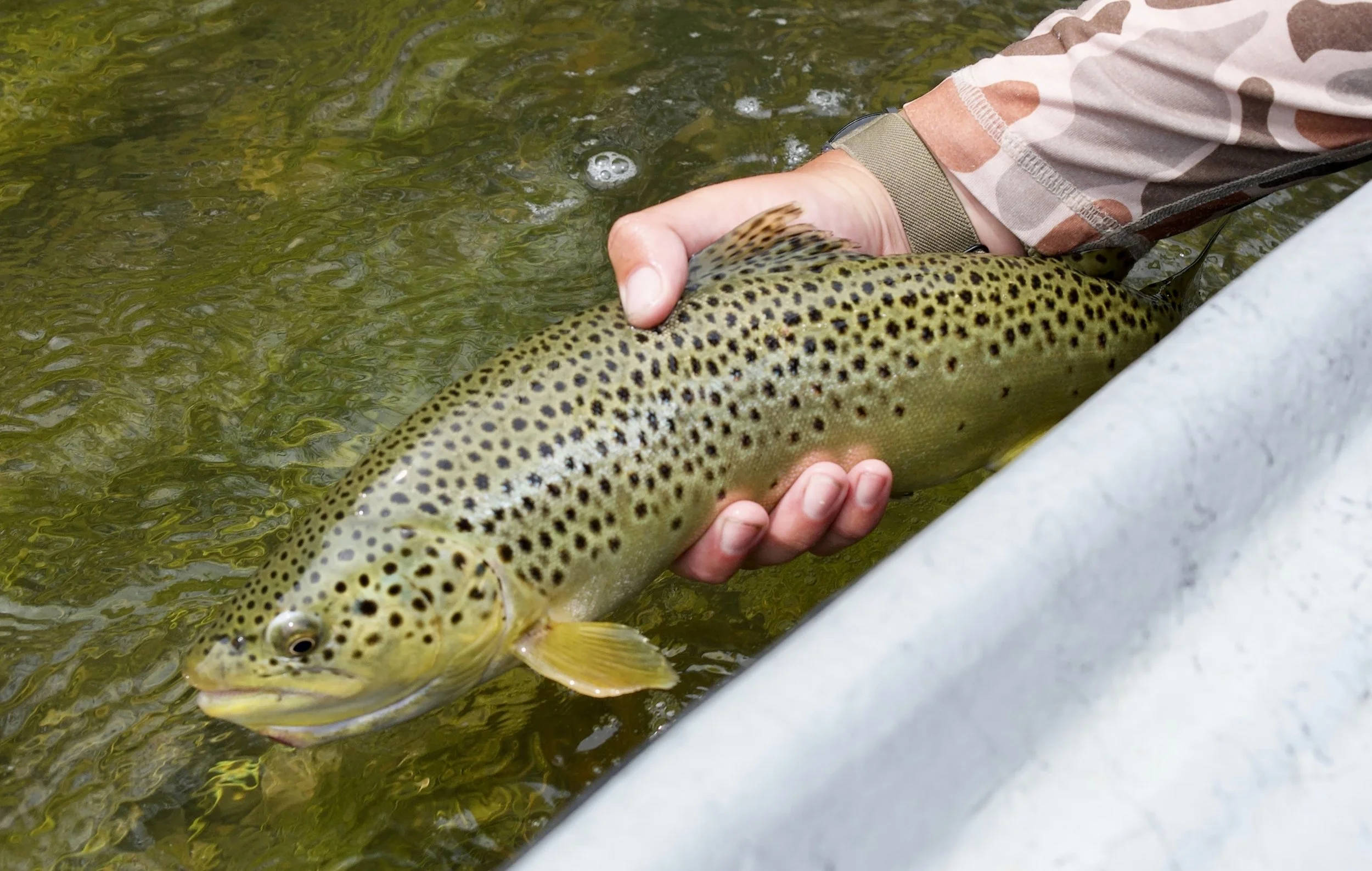
The bigger story right now is that fishing on many of our unrestricted river sections has been really good. Hoot owl restrictions are affecting some of our waters, but there are still plenty of productive options around Bozeman.
The Upper Madison between Hebgen Lake and Ennis remains a great choice, while the Yellowstone continues to fish well. The Gallatin Canyon and upper stretches of the Gallatin have also been productive, especially during the cooler morning hours. The canyon is a great close-to-town option and can be a good place to escape some of the afternoon heat.
Dry-dropper fishing on the Gallatin has been especially productive with attractor dries, caddis, terrestrials and Yellow Sally patterns. Smaller mayfly, caddis and Perdigon-style droppers have all been good options underneath.
The Yellowstone has also been a great choice lately. We have seen excellent ant and beetle fishing, and the first legitimate hopper opportunities are beginning to develop. The river near Livingston was flowing about 4,200 CFS this evening (July 14th), which is roughly 1,500 CFS more water than we had at this point during last year’s low-water season.
That extra water is encouraging, but it does not mean anglers can ignore afternoon temperatures. The Livingston gauge reached close to 72 degrees this afternoon, showing how quickly even a river with ok flows can warm during a hot spell.
The best fishing on the Yellowstone has generally been earlier in the day. PMDs, caddis, ants and beetles are all in the mix, with fish feeding in riffles, seams, foam lines and along grassy banks. Hoppers are also beginning to become a productive option and should only improve as we move toward late July and August.
The Madison requires a little more explanation because different sections are managed differently. The Lower Madison below the powerhouse is under hoot owl restrictions, and the short reach immediately below Madison Dam is fully closed. However, the Upper Madison from Hebgen Lake through the Madison Valley remains an important and productive fishing option.
PMDs and caddis have kept fish looking up on the Upper Madison, while ants and beetles have produced some excellent dry-fly eats. Hoppers are beginning to enter the picture and should become increasingly important over the next several weeks.
Even on rivers that remain open, earlier starts are the responsible move. The Lower Madison gauge below Ennis Lake recorded an evening temperature of 71 degrees today, reinforcing why anglers need to treat each river section differently and keep a thermometer close.
A passing afternoon storm may cool the air and temporarily improve fishing, but cloudy weather does not automatically mean cold water. Check the temperature rather than guessing, fish early and be willing to call the day before conditions become stressful for trout.
Montana still has a lot of cold, productive water compared with many other areas of the West. We simply need to take care of it, spread out the fishing pressure and adjust our schedules as conditions change.
Hoppers Are on the Horizon
“Hoot owl restrictions and hoppers” might sound like two completely different stories, but that is mid-summer fly fishing in Montana.
On one hand, we are making responsible adjustments for warm water. On the other, we are entering one of the most enjoyable dry-fly periods of the season.
The hoppers are beginning to show. The bite is not completely consistent everywhere yet, but fish are starting to recognize larger terrestrial patterns. Ants and beetles have been more dependable on both the Yellowstone and Madison, and they can be especially effective when fish inspect a hopper but refuse to commit.
PMDs and caddis are still providing great aquatic insect activity, particularly during the cooler morning hours. That gives us a wide variety of options: technical mayfly fishing, small terrestrial fishing, larger attractor dries and hopper-dropper rigs.
Fish are looking up, and there are some excellent dry-fly opportunities available right now.
Carry a Thermometer and Know When to Stop
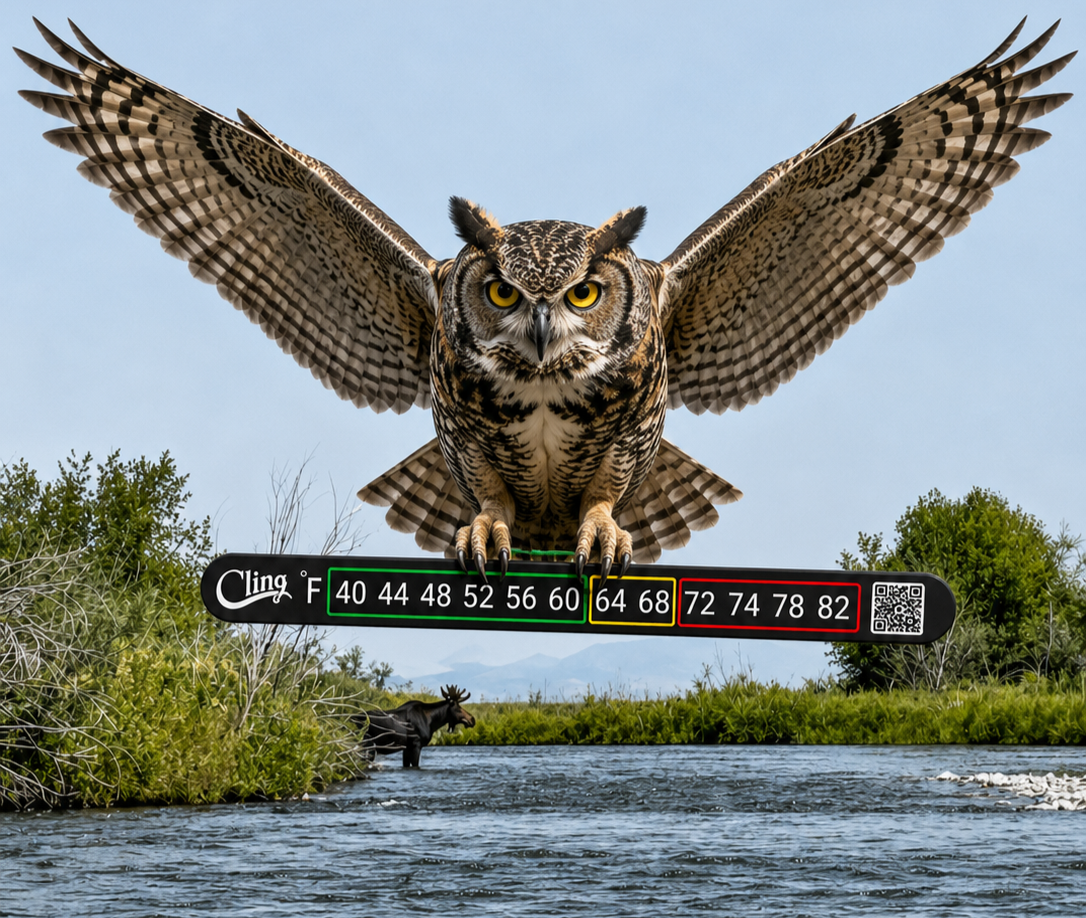
A stream thermometer should be as standard in your pack as tippet and floatant during the rest of July and August.
Water temperature can vary considerably from one river to another and even between different sections of the same river. It can also change quickly over the course of a day.
As a general conservation practice, begin paying close attention once water approaches the upper 60s. When temperatures reach around 68 degrees, shorten fights, minimize handling and strongly consider ending your fishing. At 70 degrees and above, it is best to leave trout alone, even when no official restriction has been announced.
Keep fish in the water, use appropriately sized tackle, land them efficiently and skip the long photo session. Protecting the resource is more important than squeezing one more fish out of the afternoon.
Earlier Guide Trips Are the Plan
We have just come through a significant hot spell, and the forecast appears to be settling into another stretch of normal to elevated summer temperatures, with highs generally in the 80s and occasional afternoon thunderstorms.
Because of that, we are recommending earlier starts for guided trips and personal fishing. Get on the water early, enjoy the best fishing window and get off before temperatures peak.
That schedule is often better for the anglers, too. Morning air is cooler, boat traffic is lighter and PMDs, caddis and terrestrial activity can all provide good opportunities before the heat of the afternoon.
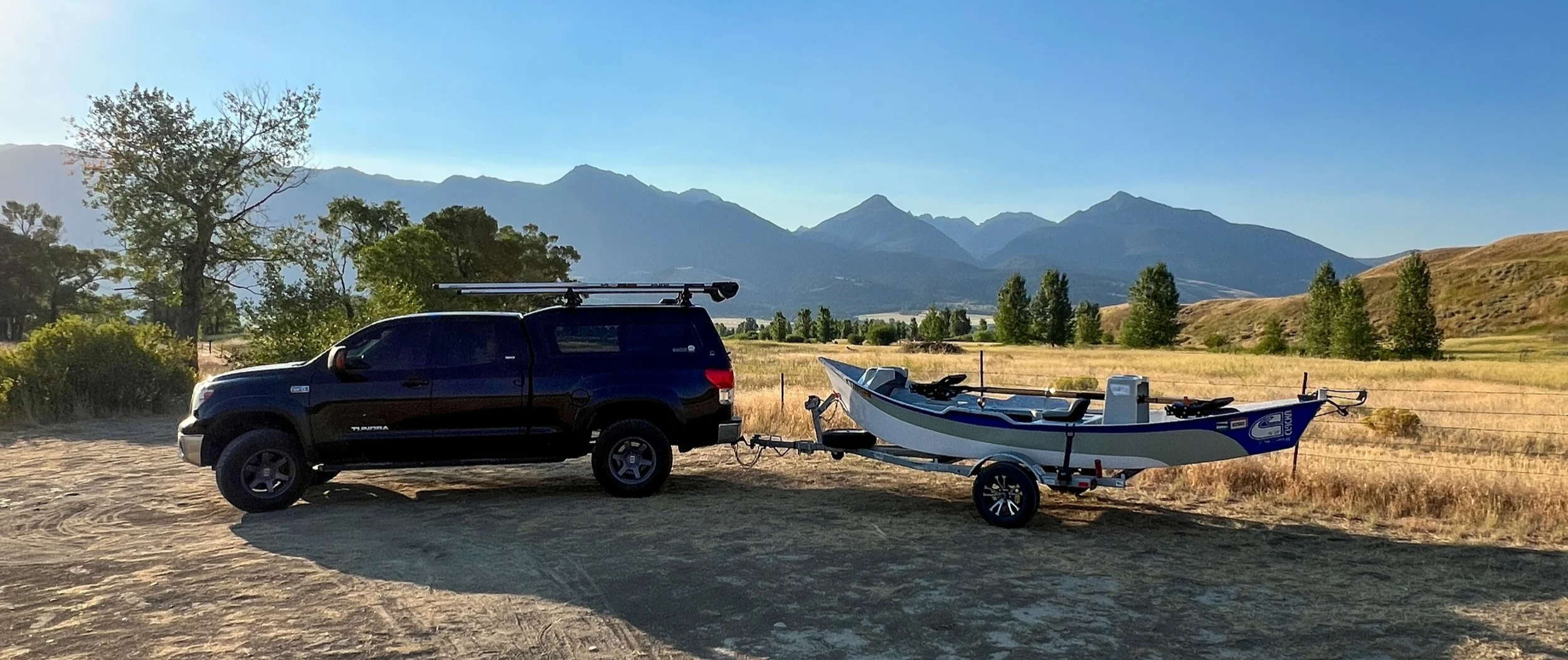
Looking Ahead Through August
Our July guide calendar is completely booked, but we still have select openings available in August.
August should bring more hopper fishing, continued ant and beetle opportunities, spruce moths in certain areas, early-morning mayfly fishing and some of the classic terrestrial action Montana is known for.
At the same time, we will continue following river flows, water temperatures and any new FWP restrictions through the rest of July. The specific river and start time for each trip may change based on conditions. That flexibility allows us to find the best available fishing while protecting the rivers and trout that make this area special.
Hoot owl restrictions are not a sign that Montana fly fishing is over. They are a tool for keeping our fisheries healthy through the warmest part of summer.
There is still excellent fishing available around Bozeman. The plan is simple: start early, carry a thermometer, follow the restrictions, stay flexible and take care of the fish.
That is how we keep enjoying great Montana fly fishing—not only this summer, but for many summers to come.