Montana Fly Fishing Tips for Beginners: Gear, Mistakes & Where to Start
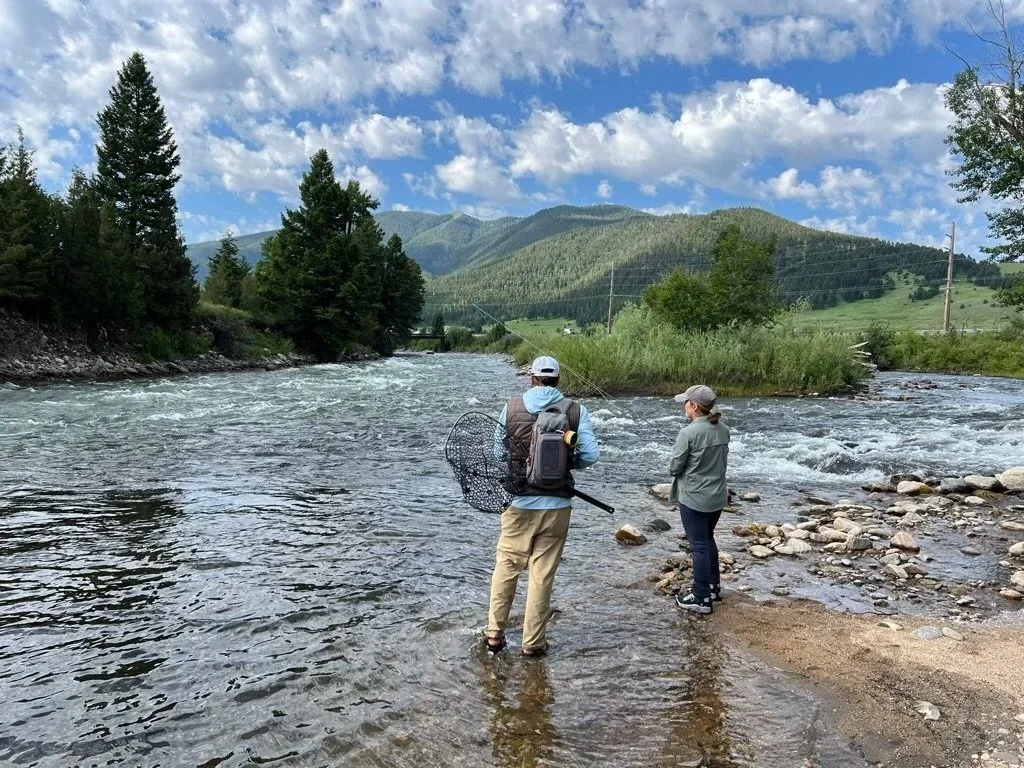
Montana Fly Fishing Tips for Beginners
Montana is an incredible place to learn fly fishing because you’ve got a ton of public water, healthy trout populations, and rivers that offer everything from forgiving riffles to technical slicks. The catch? Beginners often make the same few mistakes—usually not because they “can’t cast,” but because they’re rushing, fishing the wrong water, or missing the basics of drift, depth, and line control. (The good news: those are fixable fast.)
This beginner guide is built to help you skip the frustrating learning curve and start catching fish sooner—whether you’re wading a local run, floating the Madison, or just getting your first rig dialed.
The #1 beginner mindset shift: presentation beats distance
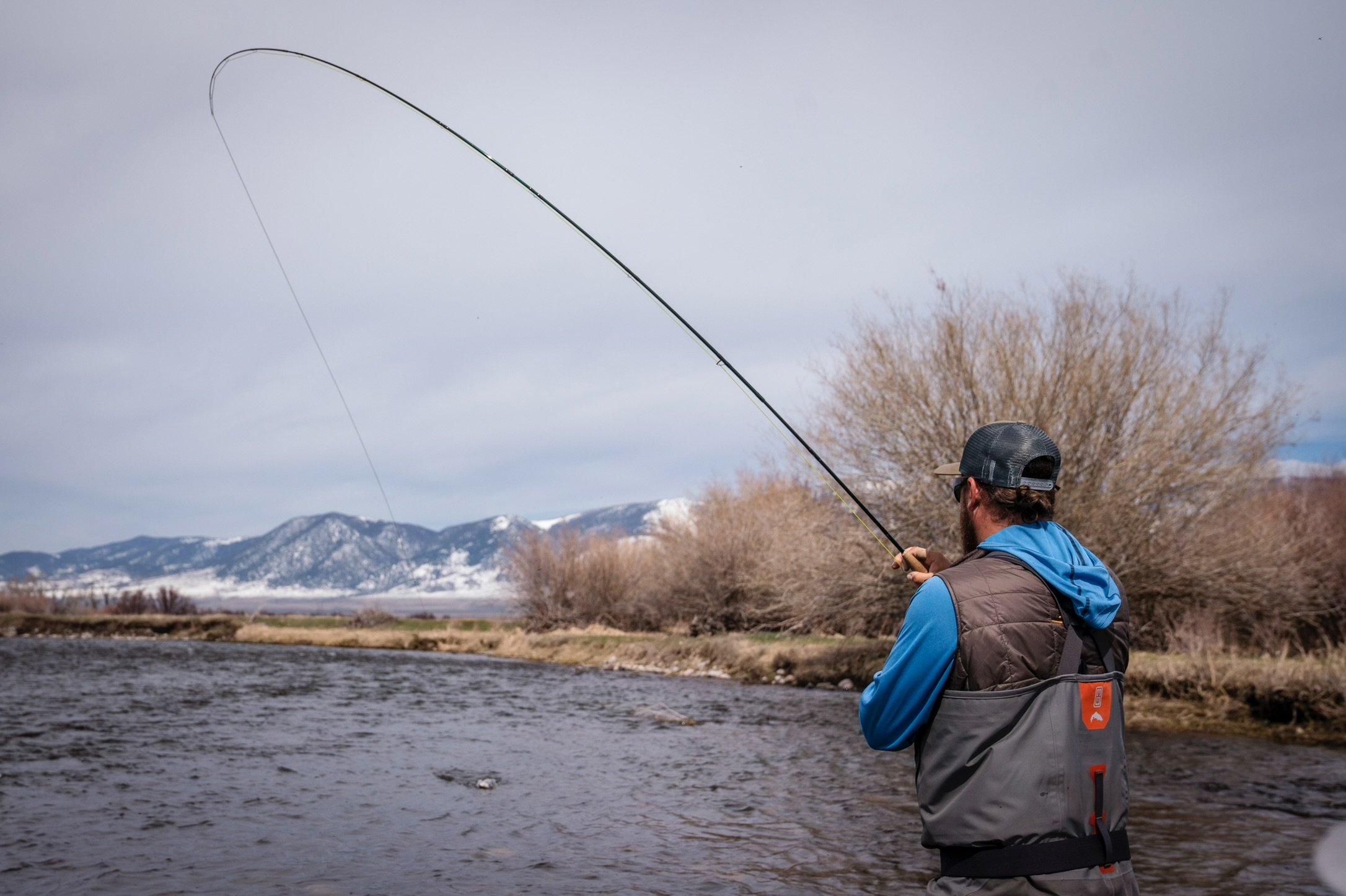
Most new anglers try to “reach” fish with long casts. In Montana rivers, your best results usually come from shorter, controlled drifts: accurate cast, minimal false casts, quick mend, and a drag-free presentation. Fish can forgive an imperfect fly choice; they rarely forgive a fly ripping across the current.
Try this on your next outing:
Start close. Fish the water 10–25 feet away before you step in deeper.
Make one good cast, then focus on line control (mending + managing slack).
Keep false casting to no more than 2–3 times.
Common beginner mistakes (and how to fix them)
1) Buying too much gear too soon
It’s easy to overbuy—rods, reels, lines, 200 flies—before you even know what style of fishing you like. Start simple with a versatile setup, then upgrade with intention.
Fix: Build a “starter kit” that covers 80% of Montana trout fishing (we lay this out below).
2) Casting for distance instead of drift
Big casts create big problems: more drag, less control, more tangles.
Fix: Shorten up, aim for seams and soft edges, and prioritize a natural drift.
3) Not reading the water
Flat, slow water looks fishy, but often isn’t the best place to start. Beginners do better targeting obvious trout structure: current edges, riffles, seams, buckets, undercut banks, and foam lines.
Fix: Think “food conveyor belt.” Where current delivers food and fish can hold comfortably, you’ve got a shot.
4) Fishing the wrong depth (especially when nymphing)
A perfect drift at the wrong depth is still the wrong drift.
Fix: If you aren’t ticking bottom occasionally when nymphing, you’re often too shallow. Adjust weight or indicator depth, one change at a time.
5) Too much slack = missed hooksets
Many beginners don’t actually feel the eat. They see the indicator twitch or pause, but there’s too much slack to connect.
Fix: Lead your drift with the rod tip, keep a gentle connection, and set with purpose.
6) Ignoring etiquette and access basics
Montana has great public access—but river etiquette matters (spacing, working through water, giving other anglers room, etc.). It keeps days peaceful and avoids conflicts.
Fix: Give others space, communicate politely, and when in doubt, move on—there’s plenty of river.
Beginner gear that actually makes sense in Montana
The simplest “do-most-things” setup
Rod: 9’ 5-weight (or 6-weight if you want a little extra for wind, heavier flies and streamers)
Reel: Matching reel with a smooth drag (nothing fancy required)
Line: Weight-forward floating line
Leader/Tippet: 9’ leader (start with 4X), add tippet as needed (Have spools of 3X-5X to start)
This kind of versatile setup is a great standard starting point.
Must-have “small stuff” (this is what saves trips)
Polarized sunglasses (spot fish, read water, protect eyes)
Nippers + hemostats
Floatant (dry fly days)
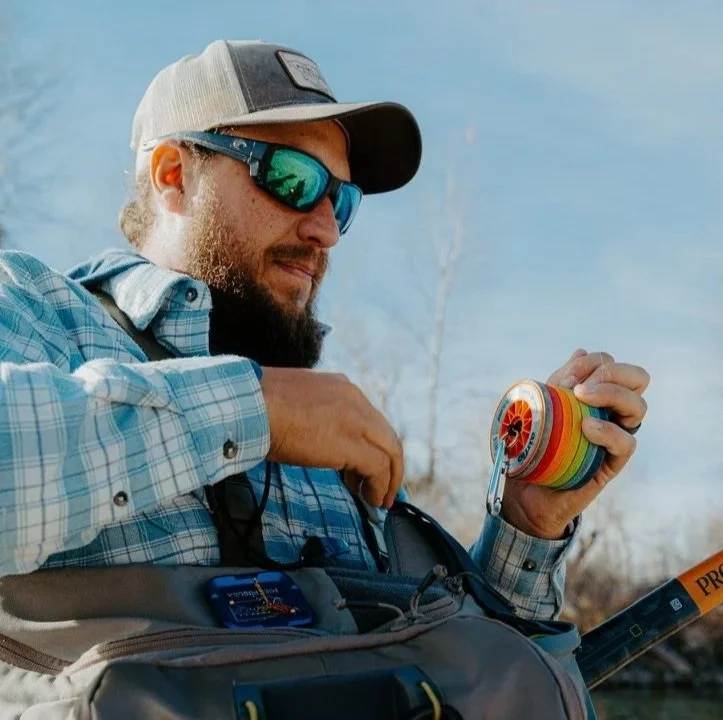
Indicators for nymphing (Oros makes a great indicator that doesnt kink your line and adjusts easily)
Landing net (easier on fish + less chaos at your feet)
A beginner fly box that won’t overwhelm you
You do not need a fly shop’s worth of patterns to start. Keep it simple:
Dry flies (confidence picks)
Parachute Adams (mayfly “generic”)
Elk Hair Caddis (caddis “generic”)
A foam attractor like a Chubby-style dry (great for dry-dropper)
Nymphs (workhorse bugs)
Pheasant Tail
Hare’s Ear
Prince Nymph
Zebra Midge (small, consistent)
A stonefly nymph (Rubberlegs-style) for weight + profile
San Juan Worm (Hail Mary fly when fishing is slow)
Streamers (easy + fun)
Woolly Bugger-style patterns (simple, effective)
Small Bait fish pattern (Sparkle Minnow)
Small Sculpin pattern (Sculpzilla)
These categories match what many beginner resources emphasize: start with versatile “general” patterns, then narrow based on season and river.
Where to start fly fishing in Montana
If you’re brand new, don’t start in the hardest water. Start where you can build confidence quickly:
Best “training water” traits
Riffles and runs with defined seams (easier drifts)
Moderate current (enough flow to drift naturally, not so fast it’s chaotic)
Wade-friendly banks and room to practice casting
Clear structure: cutbanks, boulders, foam lines, drop-offs
A simple progression that works
Small-to-medium rivers or easy access stretches (learn basics and safety)
Bigger rivers once your drift, mends, and wading confidence improve
Technical tailwaters when you’re ready for longer leaders, smaller flies, and more precision
A guided trip or a beginner class is the fastest shortcut because you’ll fix the “invisible” issues (drift, depth, mending, hookset timing) that YouTube can’t diagnose in real time.
The 5 “do this every time” tips that catch more trout
Fish close first (you’ll spook fewer fish and control the drift better).
One good cast beats five false casts (less tangles, more time fishing).
Mend early (set your drift before drag starts).
Change depth before changing flies when nymphing (most beginners are too shallow).
Slow down and observe: bugs on rocks, rises, birds working, where foam collects—those clues matter.

Ready to learn faster? Book a beginner fly fishing class or guided trip
If you want to skip the trial-and-error, we offer beginner-friendly fly fishing instruction and guided trips where we focus on the skills that matter most: casting fundamentals, reading water, building effective rigs, managing your drift, and developing confidence on Montana rivers.
Book a Fly Fishing Class or Guided Trip with Rising Trout Fly Fishing Outfitters