Fly Fishing the Mother’s Day Caddis Hatch in Montana - Madison River
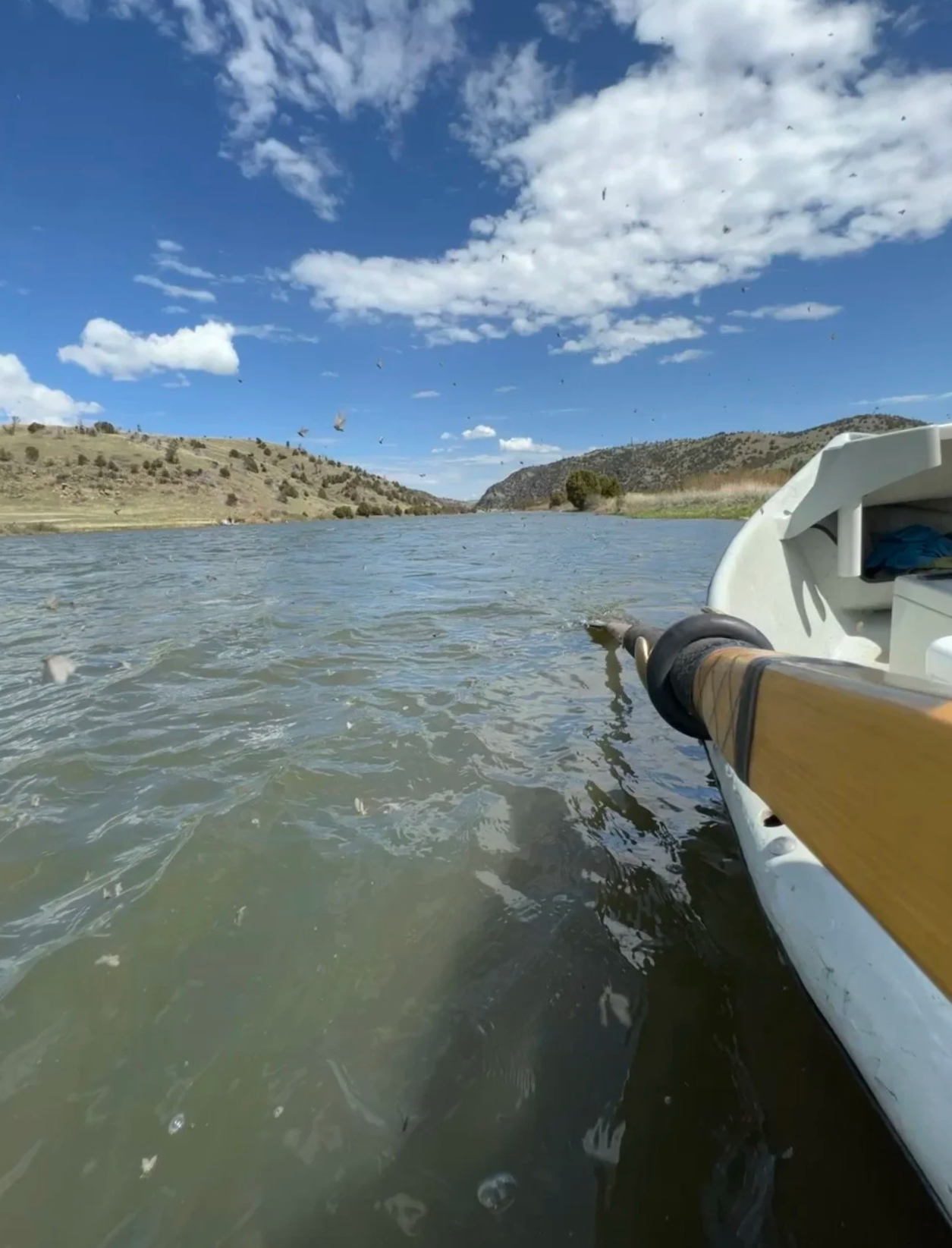
Fly Fishing the Mother’s Day Caddis Hatch - Madison River
Every spring on the Lower Madison, there’s a moment when the river shifts gears. The water starts to warm, trout slide into feeding lanes, and clouds of tan caddis signal that winter is officially in the rearview mirror. The Mother’s Day Caddis hatch isn’t just another bug—it’s the first true dry-fly opportunity of the season, where timing, observation, and the right fly can turn an ordinary spring day into nonstop action.
When to Fish the Mother’s Day Caddis on the Lower Madison
The Mother’s Day Caddis hatch on the Lower Madison typically shows up from late April through mid-May, with peak days often lining up around Mother’s Day weekend, depending on weather and water temperatures. Warm, stable afternoons can trigger heavy emergences and fast dry-fly action, while cold fronts or overnight freezes may slow things down temporarily before the hatch rebounds. On a typical day, the best fishing follows a predictable rhythm: mornings are ideal for nymphing caddis larva and pupa in softer seams and deeper runs, midday often brings increased pupa and emerger activity just below the surface, and afternoons into early evening are prime time for adult caddis and dry-dropper setups. As the day winds down, returning egg-laying adults can create some of the most aggressive surface feeding of the hatch, especially along grassy banks and slower edges, making the last few hours of light one of the most productive windows on the river.
Where to Look on the Lower Madison
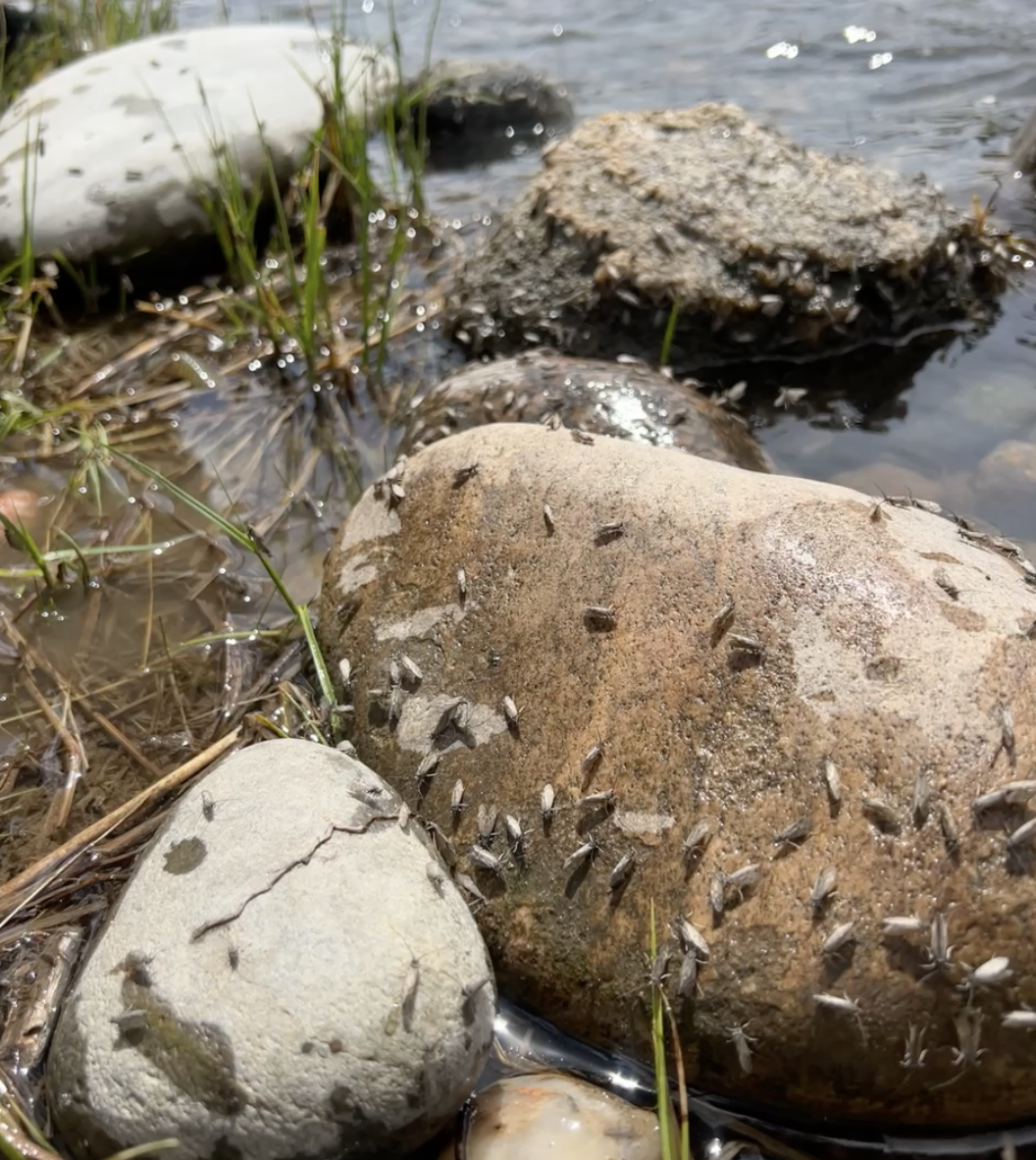
You don’t need to wait until you see bugs in the air. Caddis are everywhere—what matters is fishable water and repeatable lanes.
Prime caddis water types
Soft seams next to fast water (classic dry lanes)
Inside bends + walking-speed flats (where adults stack and fish track)
Banks with brush/grass (adults staging + egg-layers returning)
Transitions: riffle → run, run → tailout (fish slide here to feed efficiently)
Wind note: If it’s breezy, fish may key more on pupa/emergers than adults. Don’t force dries all day if they’re not committing.
The Fly Box: Favorite Flies for the Mother’s Day Caddis Hatch
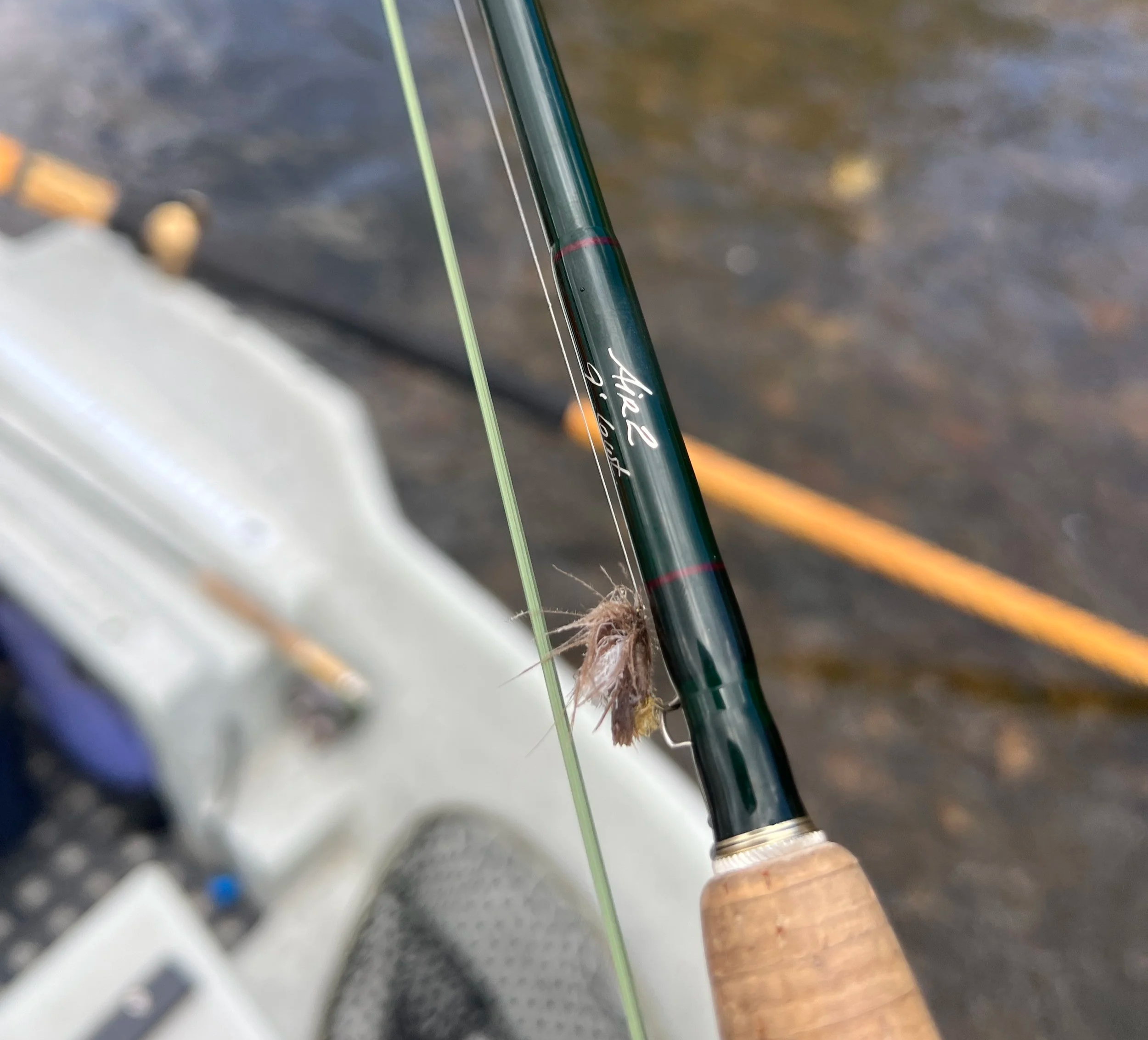
The Mother’s Day Caddis hatch is one of the most exciting spring events for fly fishing in Montana, especially on rivers like the Madison, Gallatin, and Yellowstone. When this hatch is in full swing, trout key in heavily on drifting caddis larvae, emerging pupae, and skittering adult caddis flies. Having the right fly patterns ready can make a huge difference in your success during this fast-paced hatch.
Below are a few guide-favorite caddis fly patterns we rely on during Mother’s Day Caddis season. These flies consistently produce fish for our guided trips each spring and are staples in our fly boxes when fishing Montana’s famous caddis hatches.
Guide Favorite Nymphs:
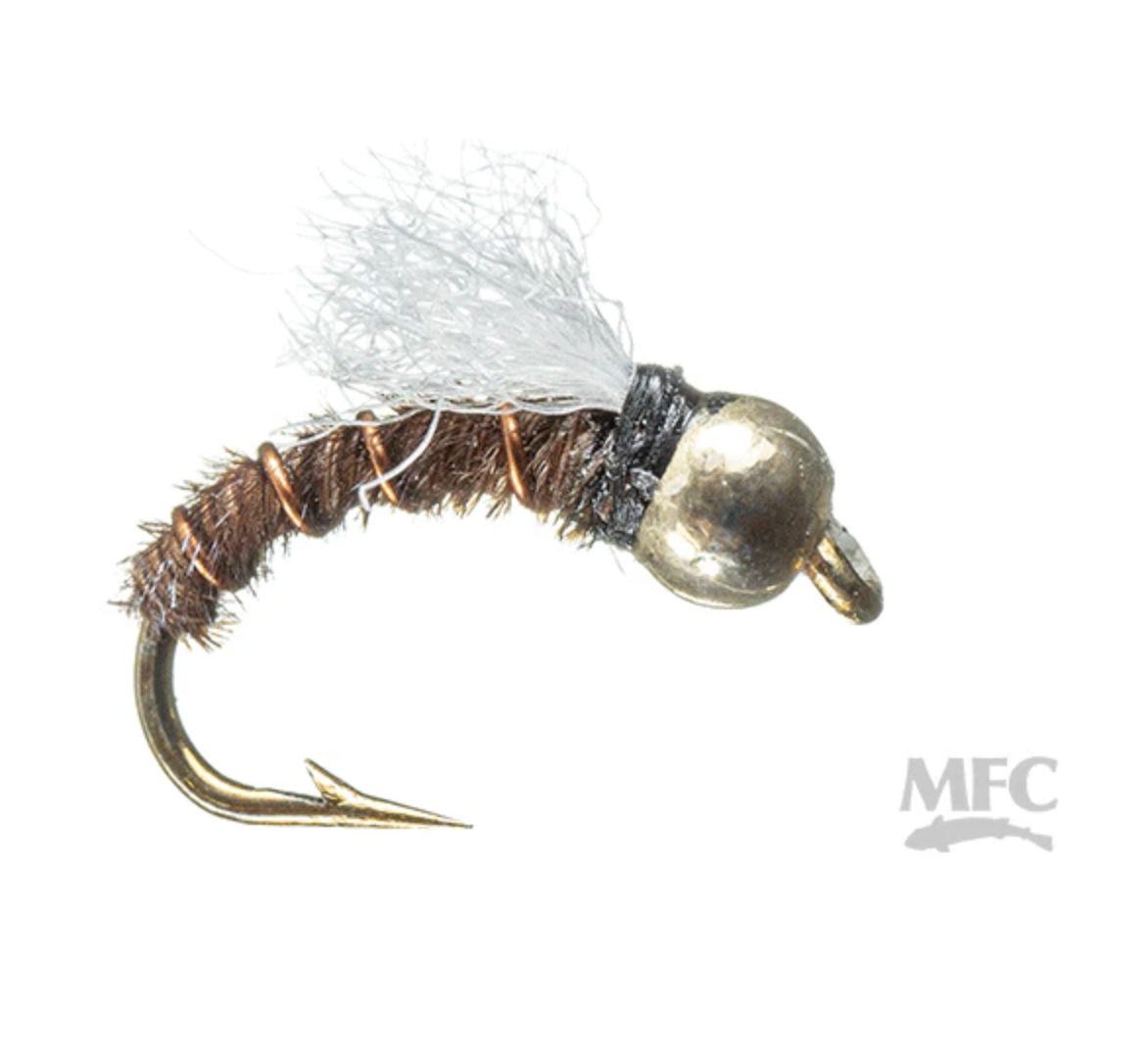
Shop Vac
Known as a "guide's secret," the name implies it "vacuums" up trout, acting as a great search pattern.
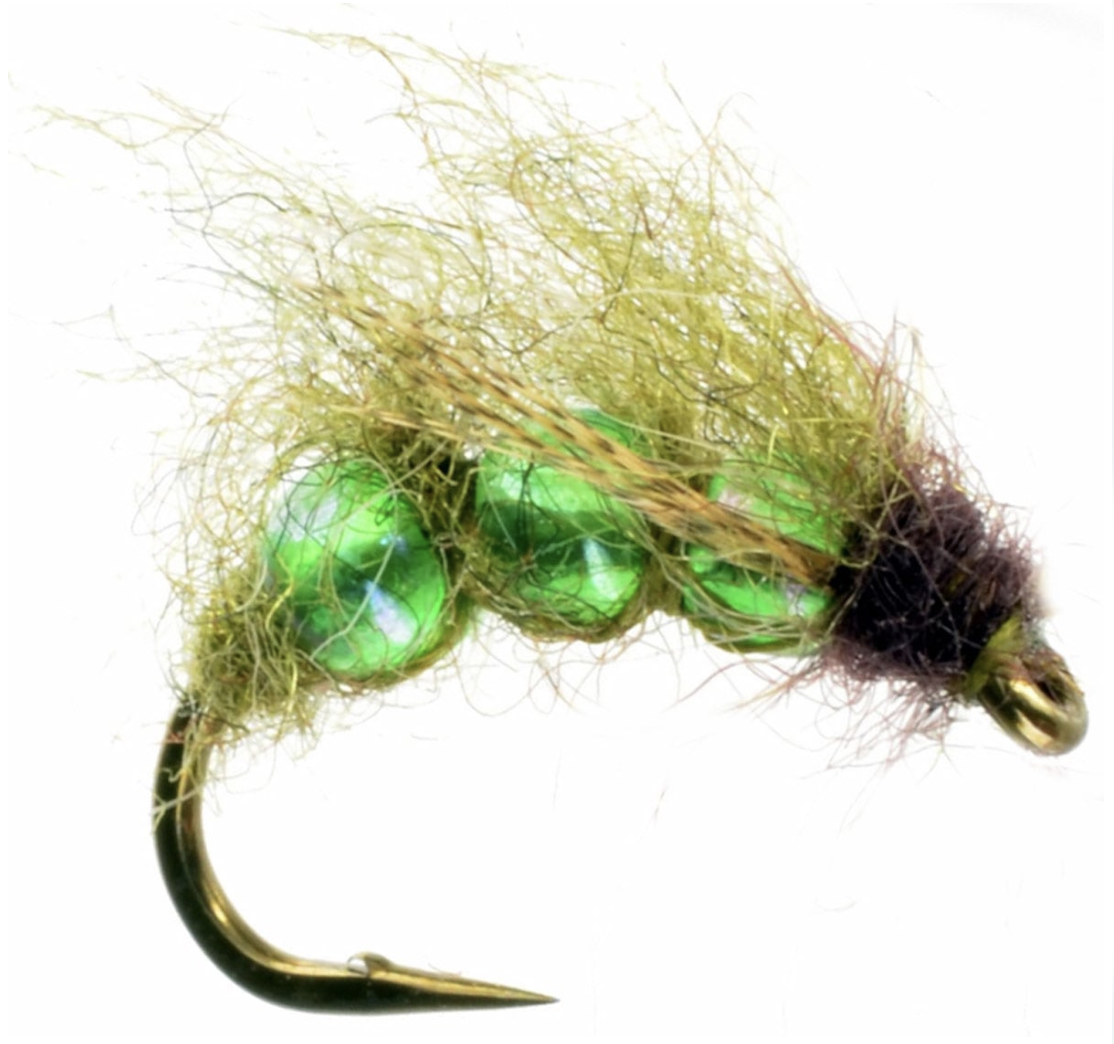
Pulsating Caddis
Simulates the active, swimming movement of a caddis pupa rising to the surface, which trout often find irresistible.
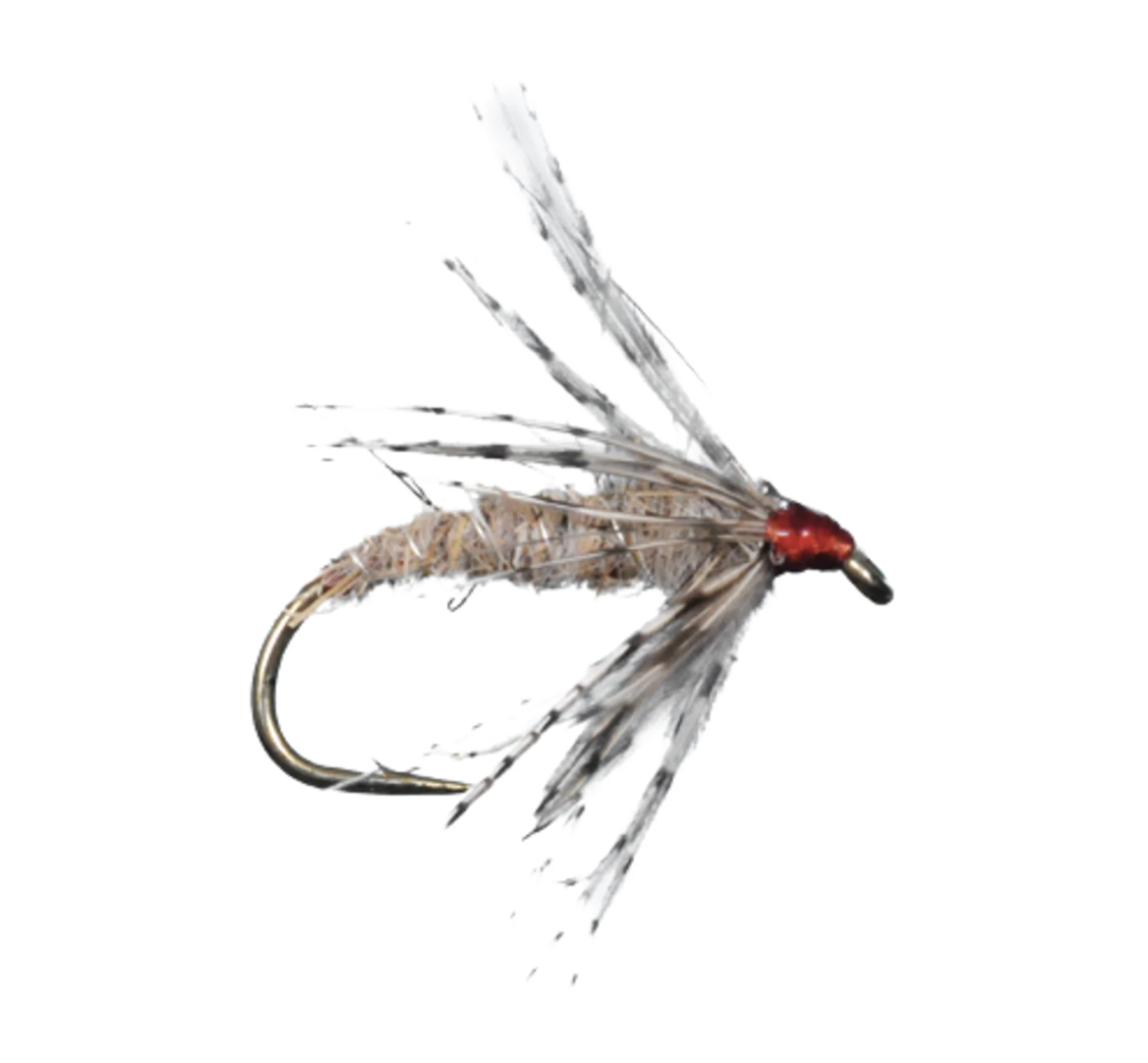
Soft Hackle Hares Ear
The most common method, allowing the fly to swing across the current and rise to the surface, imitating an emerging caddis.
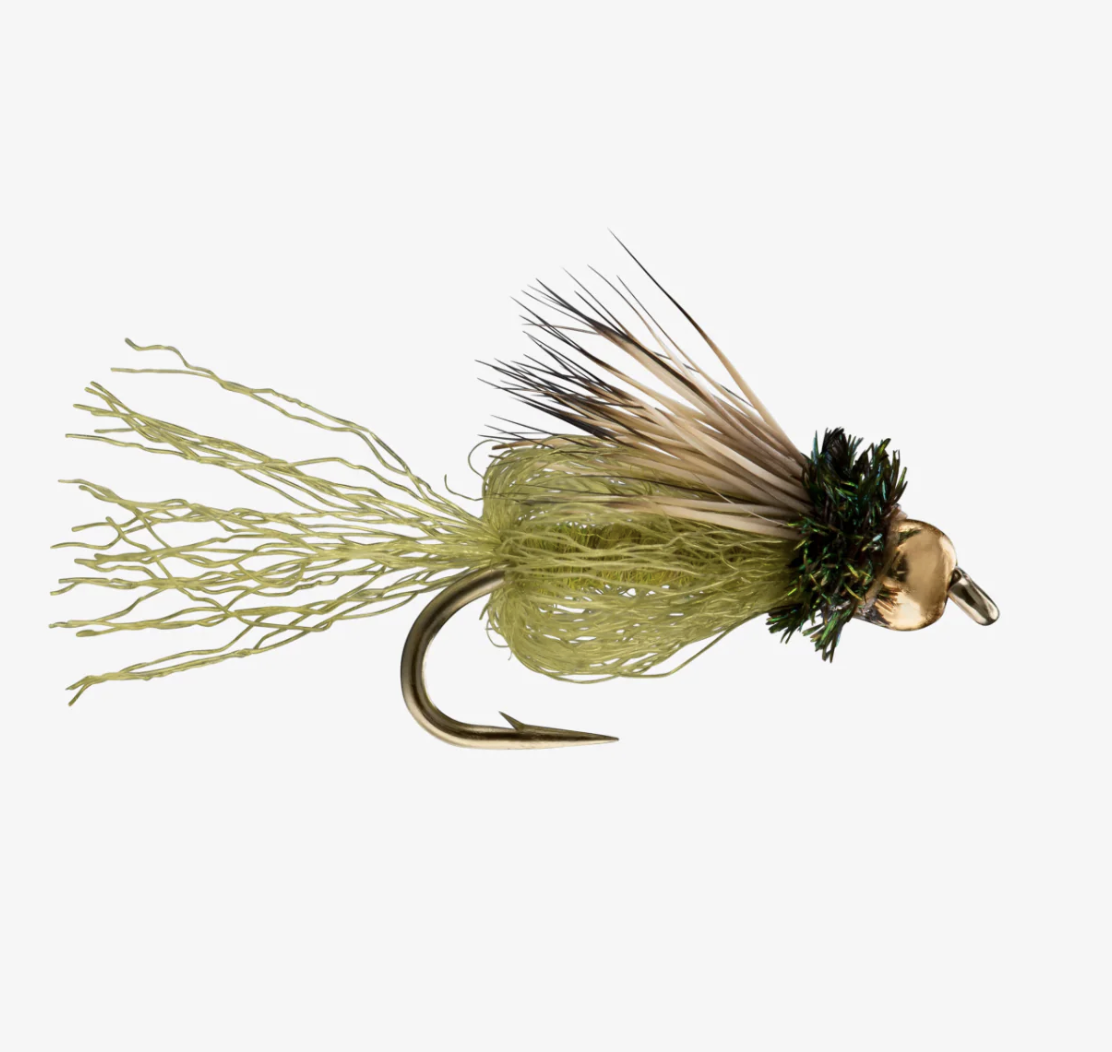
Sparkle Pupa
esigned to mimic the crucial, vulnerable moment when a caddis pupa rises to the surface to emerge, with a particular focus on the trapped air bubbles that create a "sparkle" or shimmer around its body.
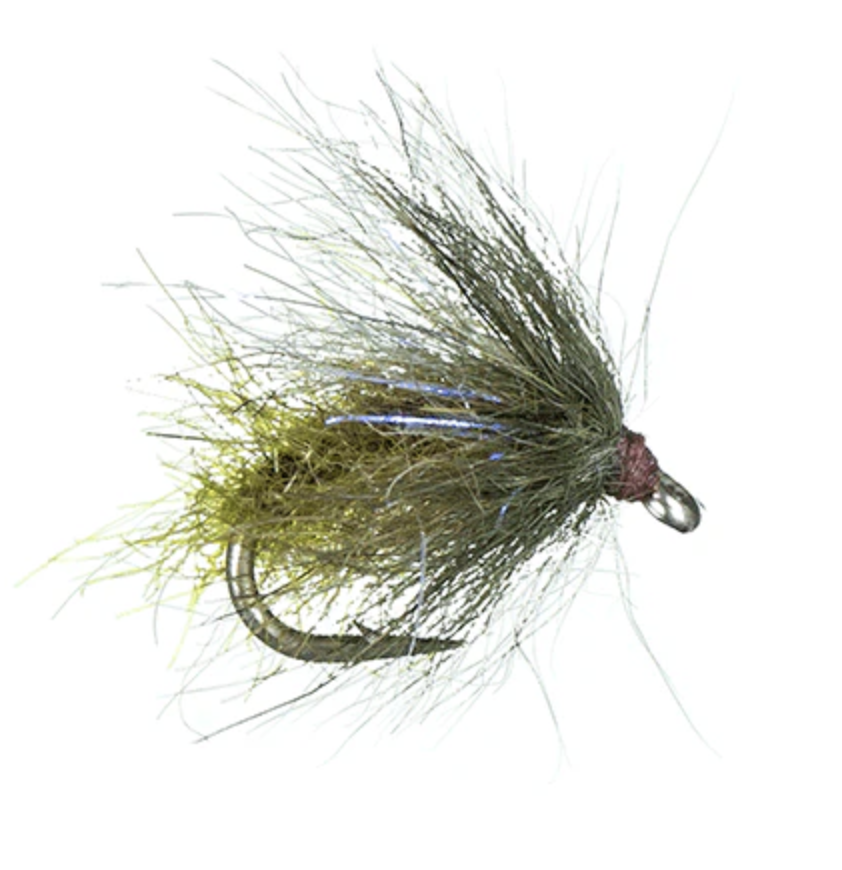
Galloups UV Caddis Pupa
Marbled, segmented body with a "buggy" profile that appears transparent underwater. Designed to be fished on the bottom or via a "Leisenring Lift" to mimic a rising insect.
Guide Favorite Dry Flies:
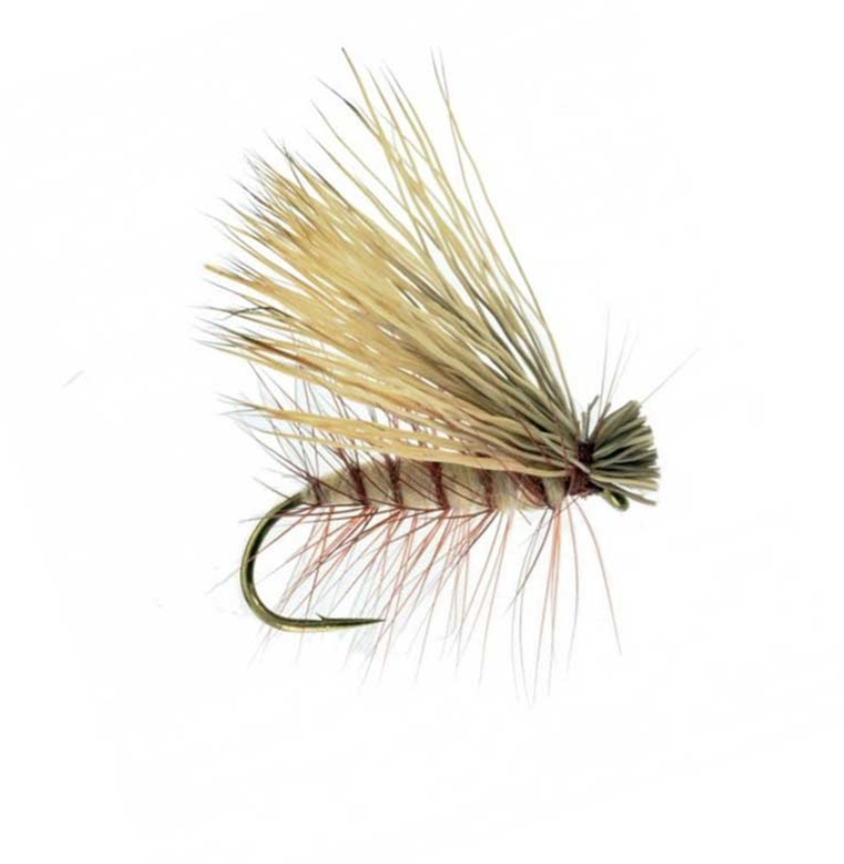
Elk Hair Caddis
The Elk Hair Caddis is considered an essential, all-time classic pattern.
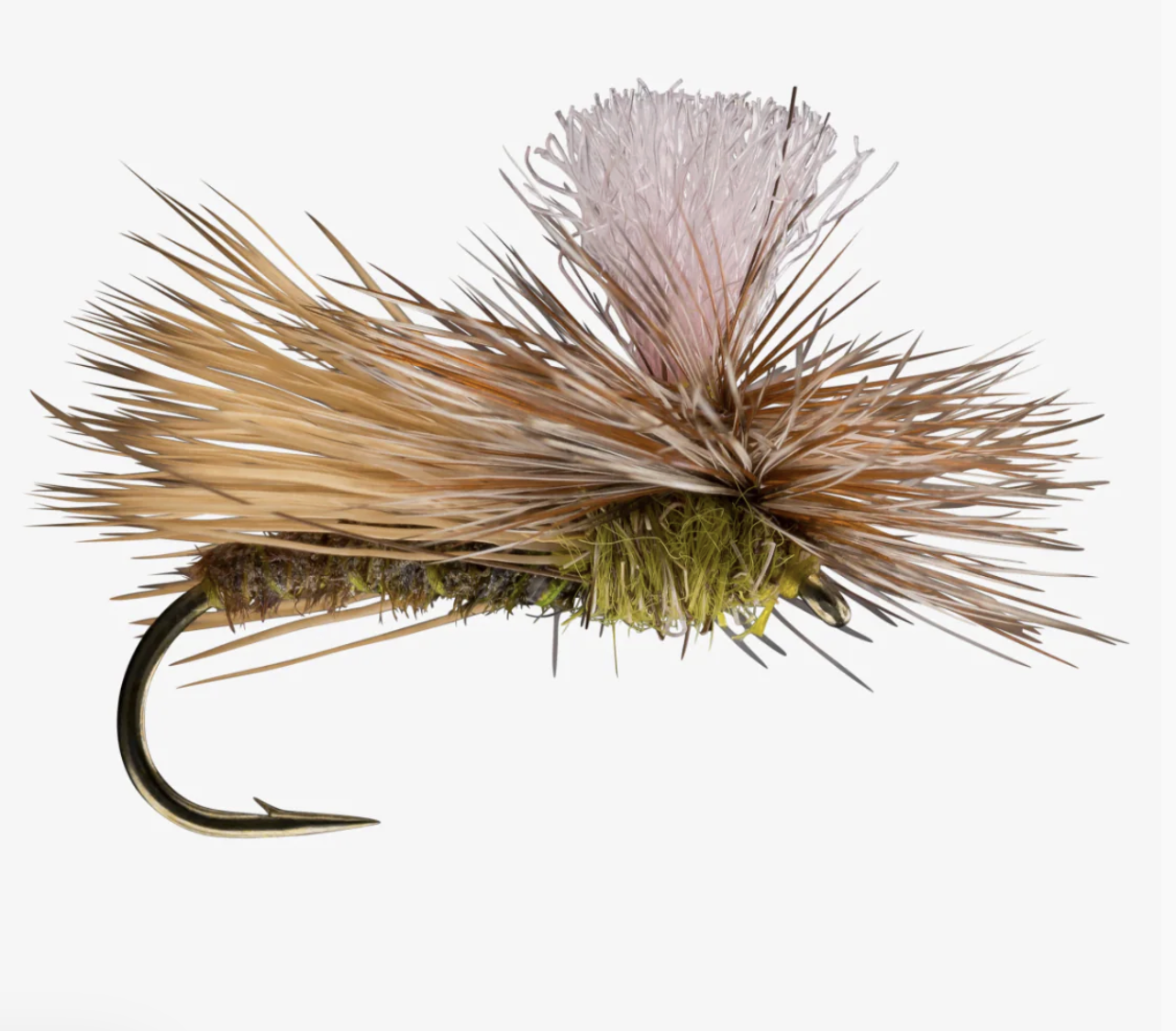
Parachute Caddis
Low-floating dry fly designed to imitate adult caddis, featuring a prominent, often bright-colored post (white, orange, or yellow) for high visibility in rough water or low light conditions.
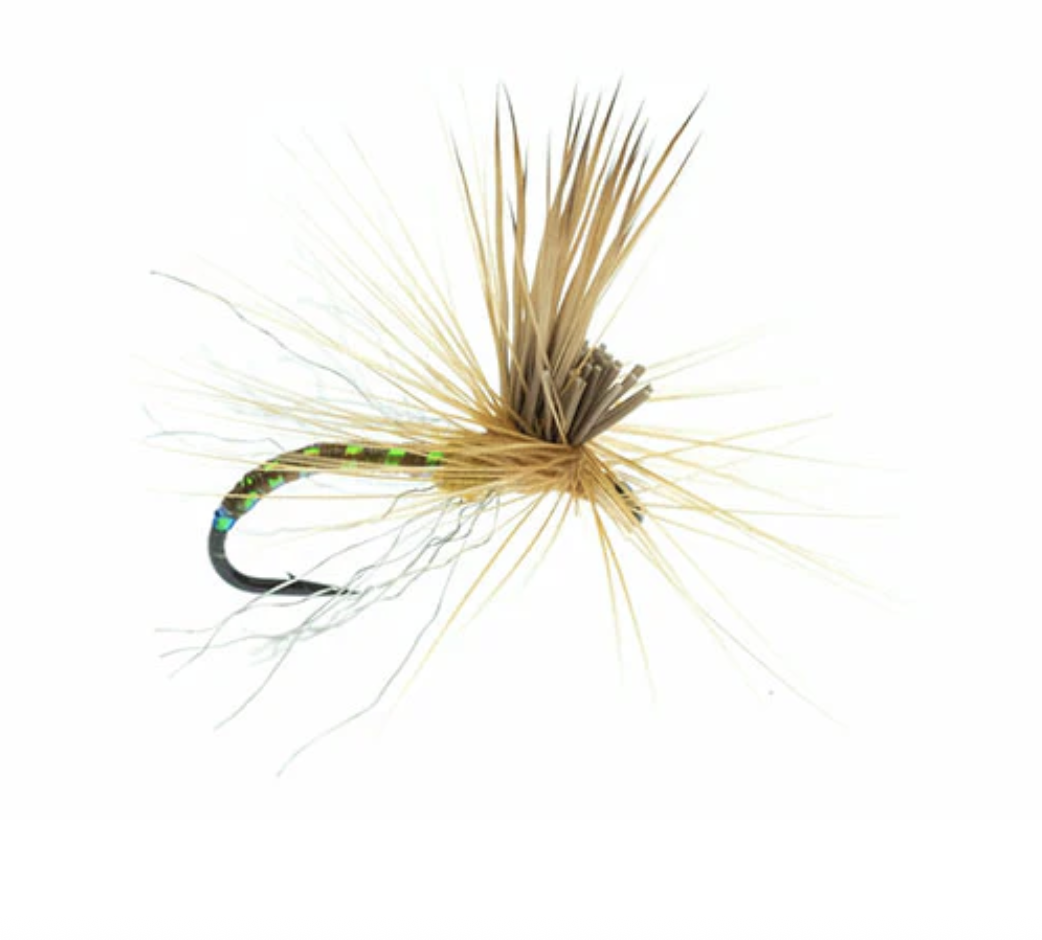
Missing Link Caddis
The pattern acts as a hybrid, mimicking emerging caddis, adult caddis, spent spinners. While often used with a drag-free drift, it can be skittered or swung to imitate an egg-laying caddis.
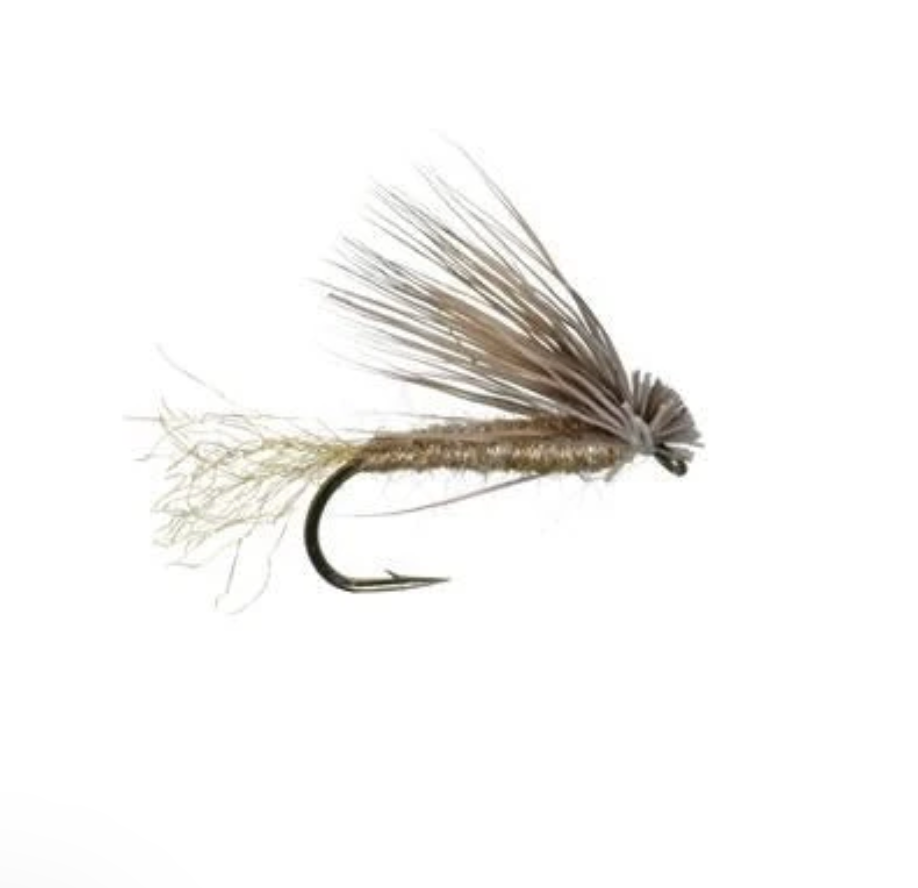
X-Caddis
The X-Caddis is often considered a "must-have" in a, fly box. Rides low in the water's surface film.
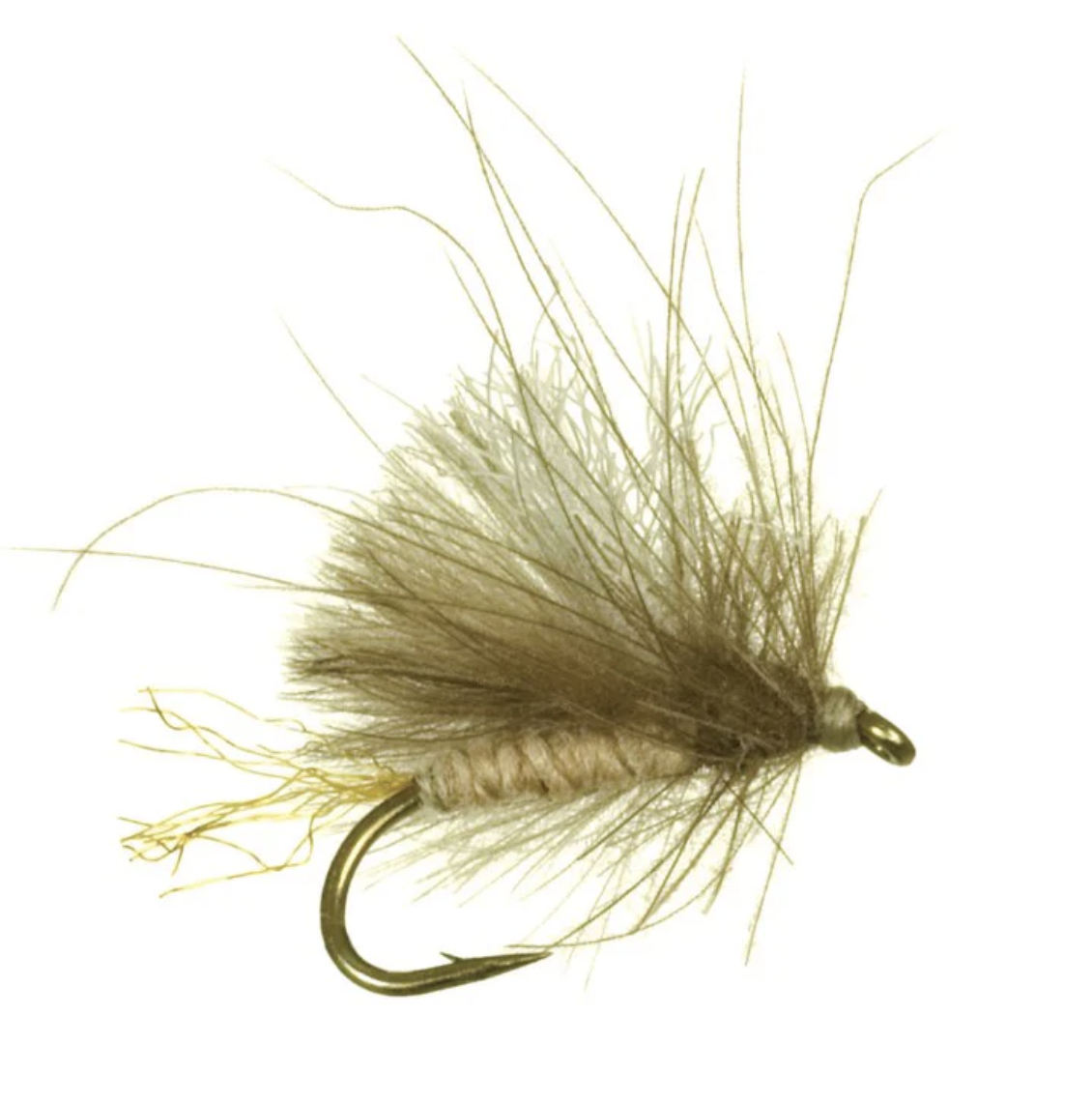
Corn Fed Caddis
Highly effective as a searching pattern or when matching the hatch, particularly during heavy caddis hatches. Excellent for both technical, glassy, and slow-moving water as well as fast-moving, turbulent pocket water.
When They Aren’t Eating Caddis: Throw Something Different
Here’s a truth about hatch fishing: sometimes trout get “bugged out.” They’ve been staring at the same silhouette all day, and your perfect caddis still gets ignored. That’s your cue to change the channel.
During the Mother’s Day Caddis window on the Lower Madison, you can also see:
Blue-Winged Olives (BWOs) — especially on cloudy, drizzly days
Larger mayflies (seasonal overlap—think bigger profiles like large Royal Wulffs )
Yellow Sallies — can show up in the mix some years/conditions
If caddis dries are getting refused, try:
BWO dry or emerger in #18–20
BWO nymph in #16–20
A larger mayfly dry in #12–14 (when you want a different silhouette)
A small yellow stonefly dry in #14–16 (if you’re seeing them)
And yeah… sometimes it really is that simple:
“If you ate McDonald’s all week, a taco would sound pretty good.”

Common Mistakes That Cost Fish
Fishing adults all day because you “see bugs” (while fish are eating pupa/emersgers under the film)
Staying in one mode too long—match the stage, not just the hatch
Ignoring the evening egg-lay return (often the best dry window)
Not downsizing to #16 when water is clear or fish get selective
Wrap-Up: Why This Hatch Is a Big Deal
The Mother’s Day Caddis is a spring window where you can truly do it all—nymph in the morning, hunt emergers midday, and finish the day with legitimate dry fly fishing. If you approach it by life stage and fish the right water for the moment, it’s one of the most consistent “big day” opportunities of the entire spring on the Lower Madison.
Ready to fish the Mother’s Day Caddis at its best? Timing and fly selection make all the difference during this hatch, and a local guide helps you stay one step ahead. Book a spring trip with Rising Trout Fly Fishing Outfitters and fish the Lower Madison during its most exciting window of the season.