Fly Fishing Salmonfly Hatch in Montana
Salmonfly Hatch Fly Fishing in Southwest Montana
How to Time It, Where to Look, and How to Fish It on the Madison, Gallatin & Yellowstone
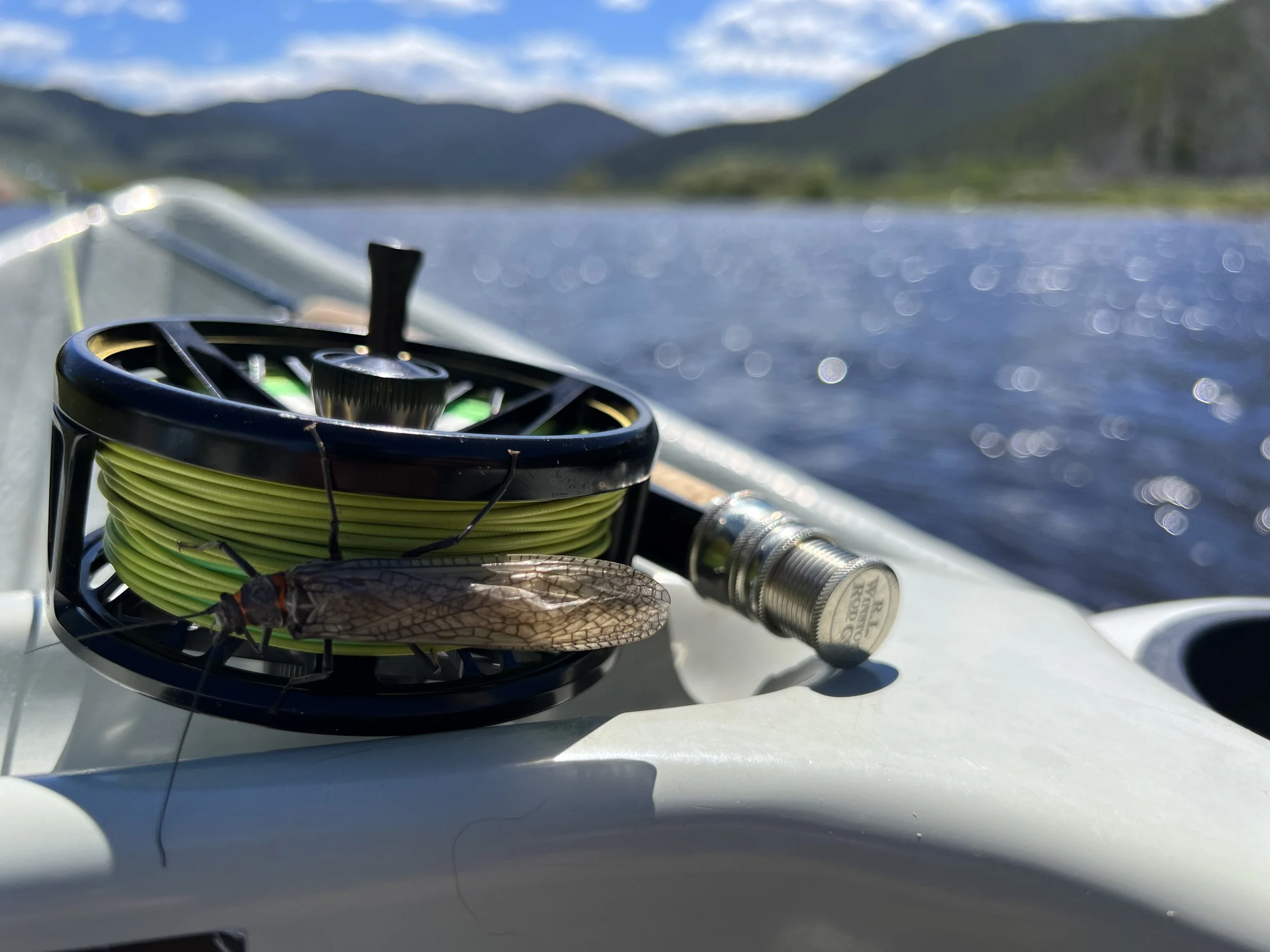
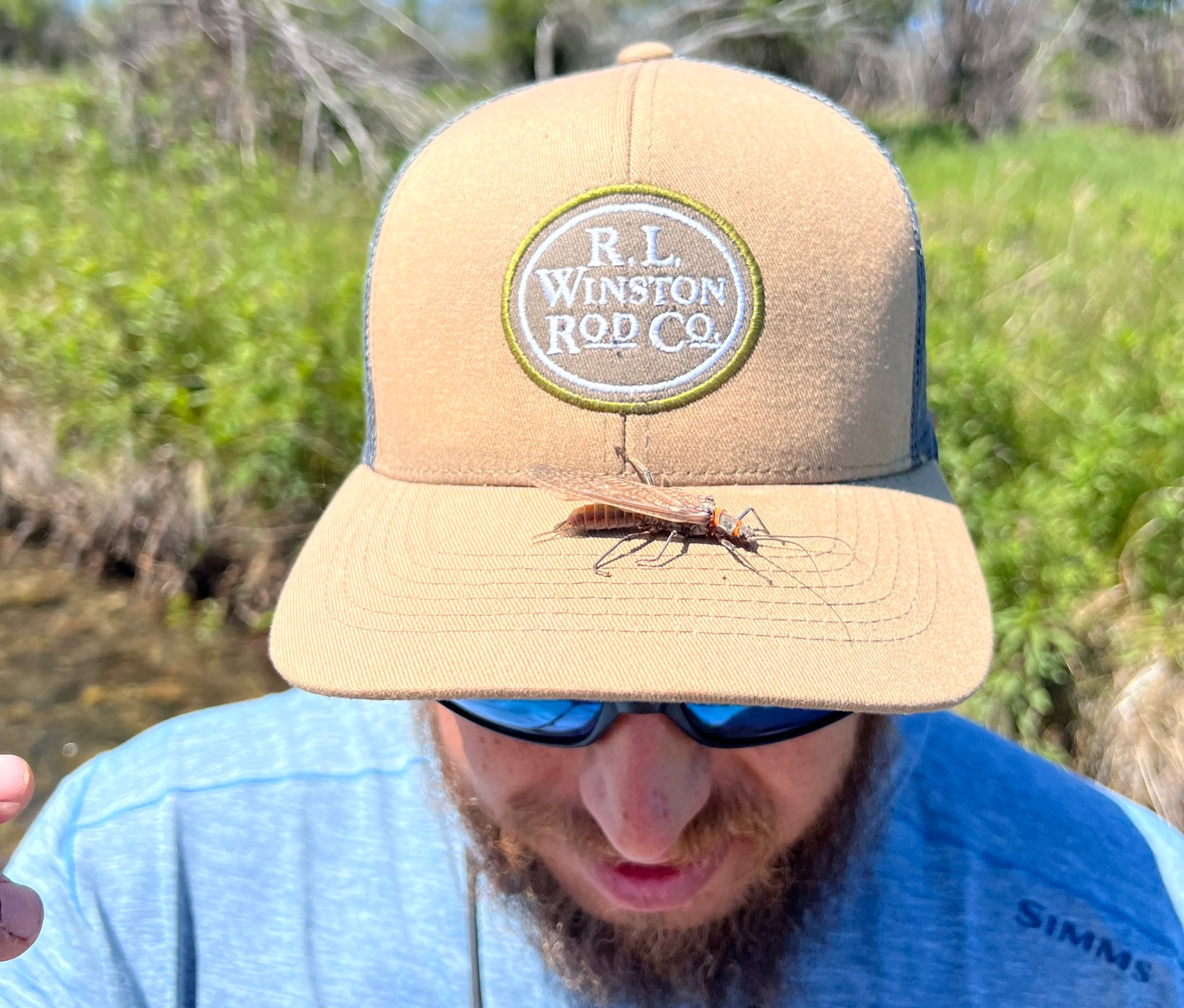
If you’ve ever dreamed of big trout crashing a foam dry fly in skinny water, this is “the hatch”. The Salmonfly (Pteronarcys californica) is the largest common stonefly in Southwest Montana, and when they start crawling out on the banks and fluttering into the river, trout can lose their minds. The challenge? Timing is everything—because of the movement of the hatch on our tailwaters and on our freestone rivers, the salmonfly party is tied to snowmelt runoff, water temps, and how fast rivers drop and clear.
This guide breaks down realistic time windows for the Madison, Gallatin, and Yellowstone, what to expect during runoff, and exactly how to fish the hatch—dry flies, dry-dropper, nymphs, and the “post-hatch” game when everyone else goes home.
Quick Timing Snapshot (SW Montana)
Salmonflies move upstream as water warms, and the peak in any one stretch can be short (often just a handful of prime days)—but you can “chase” them by picking the right river section.
Madison River Salmonfly Hatch Timing
Most anglers plan around late June into early July, with a common window around June 20–July 4 (give or take depending on spring weather).
Gallatin River Salmonfly Hatch Timing
On the Gallatin, timing is strongly linked to when runoff backs off—often mid-June through early July.
Yellowstone River Salmonfly Hatch Timing
Yellowstone timing is also runoff-dependent, commonly late June into early July in the Livingston-to-Park Boundary zone, with strong variation by river section and year.
Runoff Reality on Freestones (Read This Before You Plan a Trip)
Here’s the deal in Southwest Montana: the Gallatin and Yellowstone are freestone rivers, so runoff can make them high, pushy, and off-color—sometimes unfishable for stretches. Salmonflies can still happen, but whether you can fish it well depends on how quickly the river drops, clears, and stabilizes.
Meanwhile, parts of the Madison often give you better “windows” around runoff because you can target stretches and timing that line up with improving clarity and dropping flows.
Rule of thumb: when runoff is rolling, look for:
Edges/soft water close to the bank (trout live there in high water)
Inside bends, side channels, flooded willows, and any “walking-speed” current
Clarity trends: you don’t need gin-clear water for salmonflies—big bugs can still fish in slightly dirty water, but there’s a point where it’s just too muddy or too pushy
Where to Fish the Hatch (Madison, Gallatin, Yellowstone)
Madison River Salmonfly Hatch
The Prime Salmonfly Fishery in Southwest Montana
When anglers picture Montana salmonfly fishing—big foam dries, violent eats, trout in inches of water—they’re usually picturing the Upper Madison River. If you’re trying to time the hatch in Southwest Montana, this stretch is widely considered the most consistent and productive salmonfly water in the region.
Timing & Why It’s So Reliable
On the Upper Madison, salmonflies typically show mid June into early July, progressing through sections as water temperatures rise. What makes this river special is that you can often find fishable water and active bugs even when other freestones like the Gallatin and Yellowstone are still dealing with heavy runoff swings. That flexibility gives anglers a much better chance of hitting the hatch right.
Why the Upper Madison Is Prime
Endless bank structure: undercut grass, willows, rock ledges, and inside bends.
Classic big-bug water: riffles, boulder gardens, and defined seams.
Perfect “short drift” fishing: tight-to-the-bank casts, 3–10 foot drifts, repeat.
Salmonfly fishing here is a bankside game. The highest percentage drifts are often just inches off the edge. Fish will slide into surprisingly shallow water to eat.
How to Fish It
Big Dry (#4–8): Foam salmonfly patterns tight to the bank.
Dry-Dropper: Add a stonefly nymph below when fish won’t fully commit.
Pre-Hatch Nymphing: Heavy stonefly nymphs along the edges before adults are everywhere.
While the Gallatin and Yellowstone can absolutely produce during the hatch, they’re more vulnerable to muddy runoff conditions. The Upper Madison often gives anglers the most dependable opportunity for a true Montana salmonfly experience.
For a deeper dive into specific sections, fly patterns, and timing strategy, check out our full guide here: Complete Guide To Fishing the Upper Madison River Salmonfly Hatch
Gallatin River: Runoff-Dependent, But Explosive When It’s On
The Gallatin salmonfly hatch is famous for making trout eat big dries even when water is still a bit “seasonal.” Timing can land anywhere mid-June to early July depending on runoff.
Where to look:
pocket water and rock gardens
cutbanks and “bucket” seams
side channels and softer inside bends when flows are up
Yellowstone River: Big Water, Big Banks, Big Eats
On the Yellowstone, salmonflies can line up with late June/early July timing depending on runoff and section, and many anglers focus on the Livingston area and Paradise Valley to the park boundary when conditions are right.
Where to look:
willow-lined banks and edges
long inside bends with soft water
big midriver structure that creates “rest lanes”
any slow “walking speed” edge adjacent to heavy current
Best Ways to Fish the Salmonfly Hatch
1) The Classic: Big Dry Fly, Tight to the Bank
This is not a “pretty cast and perfect long dead drift” hatch. The highest percentage play is:
get close (but not sloppy)
cast inches off the bank
drift it 3–10 feet
pick up and do it again
Salmonfly eats are often violent, but you still need a clean drift. Fish will slide into water so shallow it barely covers their back.
2) Dry-Dropper When You See Bugs but Don’t See Commitment
This is the cheat code when fish are interested but not fully keying on the adult:
salmonfly dry as your bobber/meal
a heavy nymph below (stonefly nymph, perdigon, or “attractor” nymph)
3) Nymph the Pre-Hatch and the “In Between”
Before adults are everywhere, trout crush stonefly nymphs migrating toward shore. If you’re early, or if the hatch stalls due to weather, a nymph rig can save the day. Hatch timing can slide year to year based on conditions, so having this option matters.
4) Fish the Post-Hatch (When Everyone Leaves)
A sneaky truth: “after the peak” can be some of the best fishing. Trout are still looking up for big calories, but they’re not totally glutted.
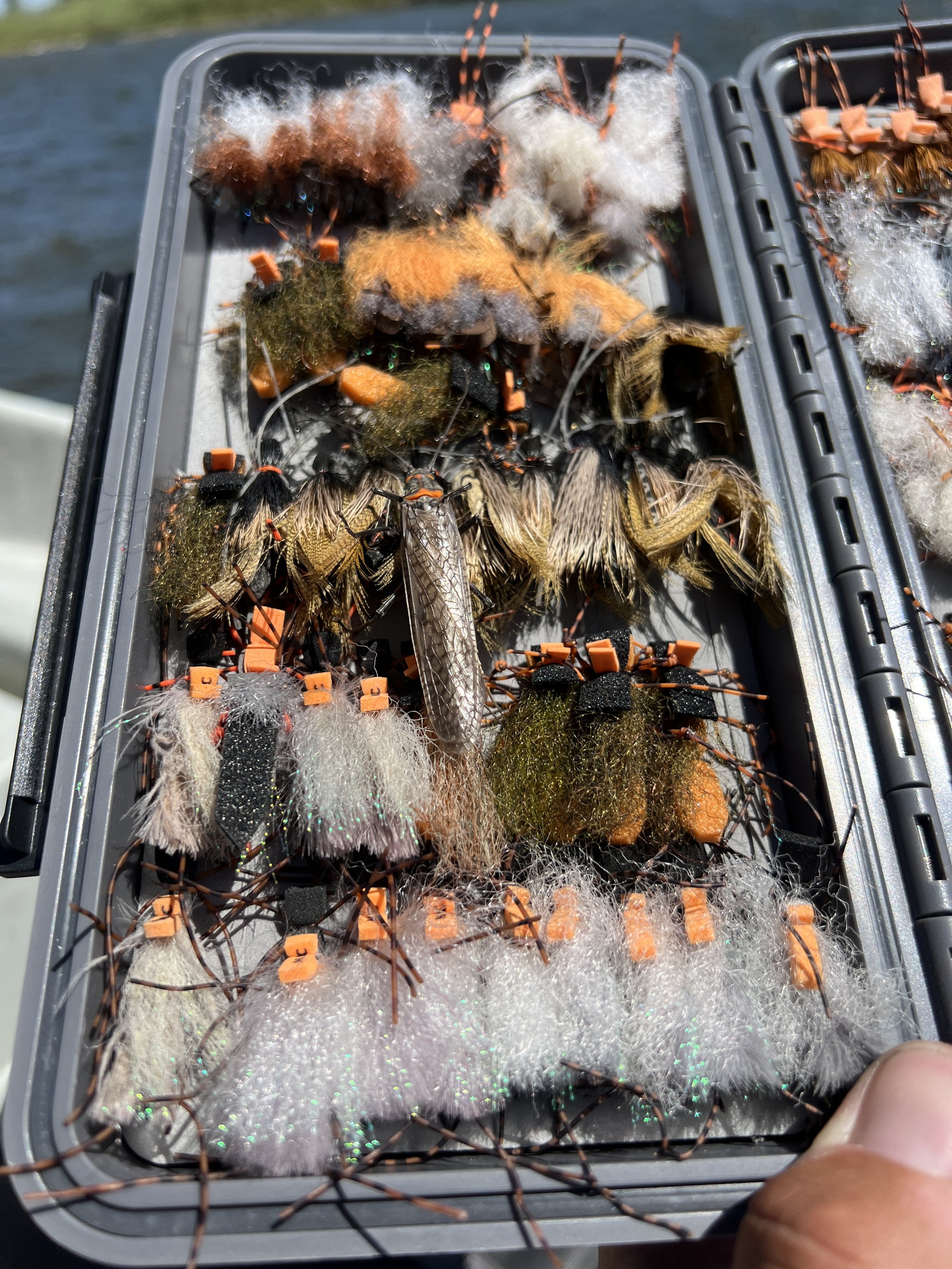
Fly Box: Salmonfly Patterns That Consistently Work
Keep it simple—profile + float + visibility matter more than perfection.
Dry Flies (Sizes often #4–8):
Chubby-style Salmonfly - Lots of foam and great for use with heavy droppers
Flutter Bug - Great as a single dry fly, imitates a fluttering natural bug
Dancing Ricky Salmonfly and Supa Fly Salmonfly - Low Profile patterns
MFC Blackout Stone - Big Pattern that grabs a big trouts attention.
Droppers / Nymphs:
Rubberlegs / girdle bugs (stonefly nymph)
Big Stonefly Nymphs
Heavy attractors (perdigon-style) when you need to get down fast in runoff edges
Pro tip: Bring a few “golden stone” style dries too—when salmonflies thin out, trout will often keep looking for the next big stone buffet.
For a more detailed list click here: Best Salmonflies For Montana
Presentation Tips That Matter More Than Your Fly Choice
Fish the bank: most eats happen tight.
Short drifts win: 5–15 feet of perfect drift beats 40 feet of mediocre.
Make it believable: a little twitch at the end can imitate a struggling adult (don’t overdo it).
Don’t ignore slightly dirty water: big bugs can still get eaten—until visibility is truly blown out.
Want to Hit the Salmonfly Hatch Right This Year?
Book Your Salmonfly Trip
The salmonfly hatch is one of the most anticipated windows of the year—and it’s also one of the easiest to miss. If you want to line up your trip with the right water levels, the right stretch, and the peak of the bugs, we’d love to help you dial it in. At Rising Trout Fly Fishing Outfitters, we focus on timing, positioning, and fishing the banks the way this hatch demands. Prime dates on the Upper Madison fill quickly, so if chasing big dry fly eats is on your Montana bucket list, reach out today and let’s lock in your salmonfly trip.