Drift Boat vs. Walk-Wade Fly Fishing Trips in Montana: Pros, Cons, and What to Expect

Trying to Decide Between a Float Trip or Walk-Wade Fly Fishing Trip Near Bozeman?
If you're planning a guided fly fishing trip in Bozeman, Montana, one of the biggest decisions you'll make is whether to book a drift boat (float) trip or a walk-wade trip. Both can provide incredible days on the water, but they offer very different experiences, and neither option is automatically better.
At Rising Trout Fly Fishing Outfitters, we guide both float and walk-wade fly fishing trips on the Madison, Gallatin, Yellowstone, and other Southwest Montana waters, and the right choice often depends on your goals, experience level, mobility, river conditions, group size, and the type of day you want to have on the water.
Below is a realistic breakdown of the differences, expectations, and pros and cons of both options so you can choose the trip that fits you best.
What Is a Drift Boat Fly Fishing Trip?
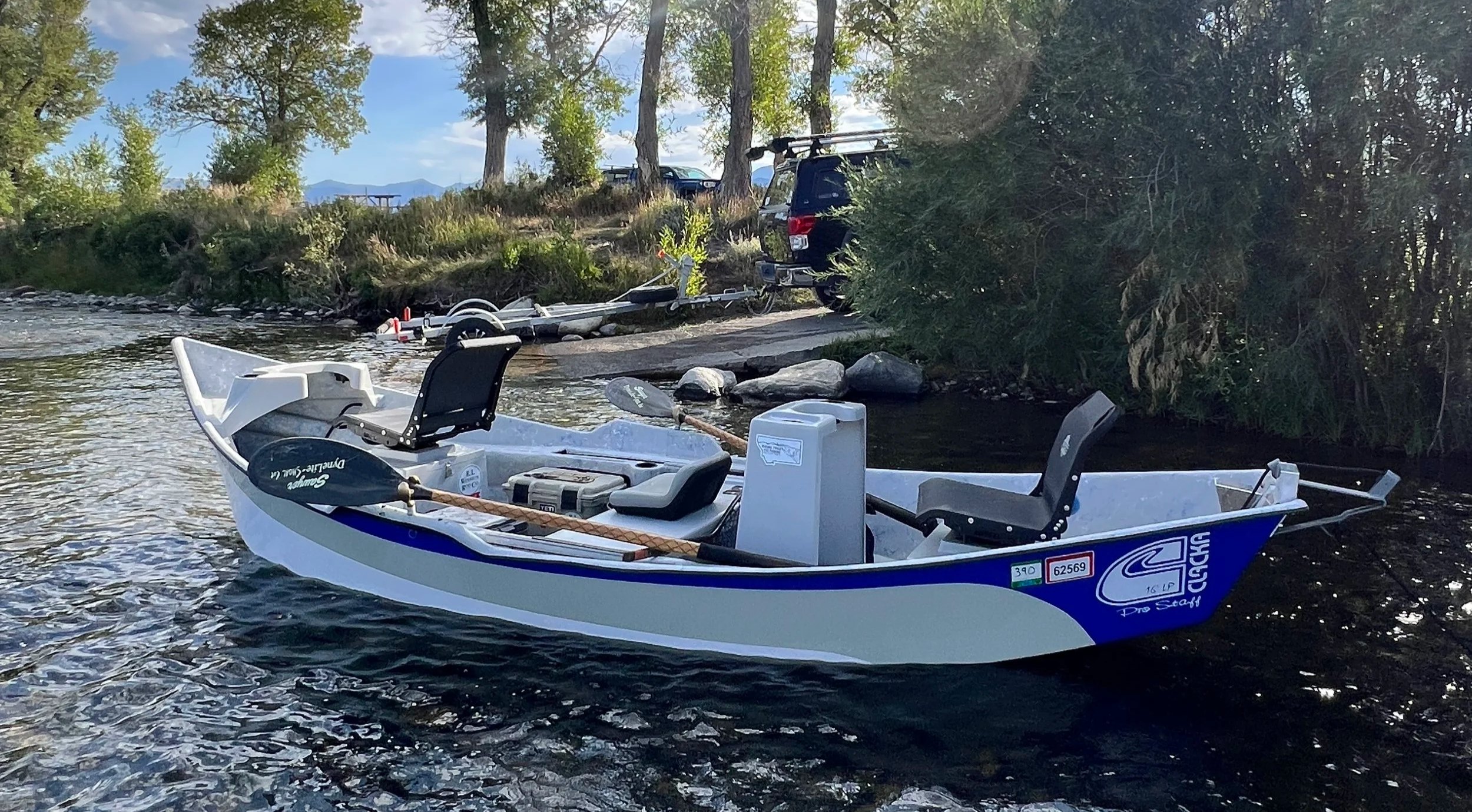
A drift boat trip, often called a float trip, involves fishing from a boat while floating downstream. Your guide rows while positioning the boat to put you in productive water.
Float trips are most common on larger rivers around Bozeman like the Madison and Yellowstone Rivers.
On most trips, anglers spend the day:
Casting from the boat
Stopping to fish productive side channels or banks
Wading certain sections if conditions allow
Covering miles of water throughout the day
Fishing multiple types of water in one trip
A lot of people picture sitting in a boat all day while fish magically jump into the net. The reality is a little different.
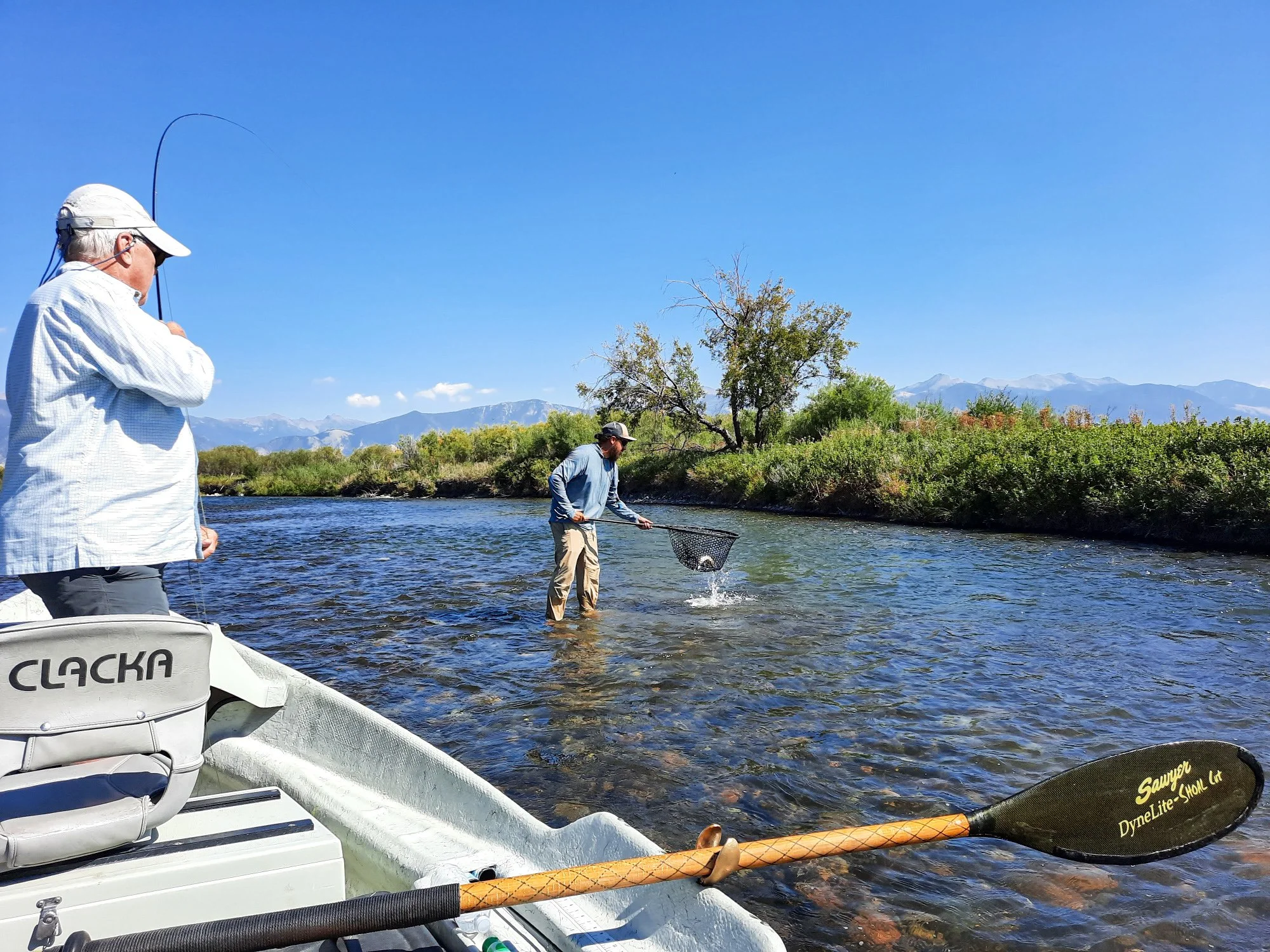
You’re still actively fishing all day long — making repeated casts, adjusting techniques, changing flies, and working different water. The drift boat simply helps guides move efficiently and keeps anglers in productive water throughout the day.
Pros of a Drift Boat Fly Fishing Trip
Cover More Water Throughout the Day
This is one of the biggest advantages of a float trip.
Instead of spending the entire day in one section, drift boats allow guides to cover long stretches of river and adjust based on fish activity, water clarity, hatches, and weather conditions.
That flexibility can make a huge difference, especially during changing spring or summer conditions.
More water coverage often means:
More opportunities at active fish
Better chances of finding ideal conditions
More variety in water types
The ability to adapt quickly throughout the day
Better for Beginner Fly Anglers
Many first-time anglers assume walk-wade trips are easier because you’re standing still.
In reality, float trips are often more beginner-friendly.
One major reason is that drift boats typically fish more open water without as many obstacles behind you. On walk-wade trips, especially on smaller rivers or tighter sections, there can be trees, bushes, steep banks, or rocks directly in your backcast.
From a drift boat, guides can usually position anglers in cleaner casting lanes where there’s less to snag flies and less frustration overall.
Drift boats also allow guides to:
Position anglers closer to productive water
Help with casting angles
Reduce difficult wading situations
Keep beginners comfortable
Quickly adjust locations if needed
For many newer anglers, float trips make learning fly fishing much smoother and less intimidating.
More Comfortable for Full-Day Trips
Float trips are usually easier physically than spending an entire day wading.
You still move around and fish actively, but you also have opportunities to sit, relax between stretches, and enjoy the day without constantly hiking or standing in current.
That comfort becomes especially valuable on longer days.
Excellent for Larger Groups
For larger groups, float trips are usually the better overall experience.
When multiple boats float the same stretch of river, groups can still stay fairly connected throughout the day. You’ll often stop for lunch together, fish nearby runs, and continue floating through the same sections of river.
With larger walk-wade groups, things often become more difficult logistically.
On foot, there are only so many productive spots available in a given section of river, so groups typically have to spread out more. Sometimes anglers end up fishing completely separate areas simply to avoid crowding each other.
Float trips generally create a smoother, more social experience for families, corporate groups, bachelor parties, and larger groups of friends.
Cons of a Drift Boat Fly Fishing Trip
Less Time Slowing Down in One Spot
Float trips naturally keep moving downstream.
While guides stop frequently to fish productive areas, anglers who love slowing down and thoroughly picking apart every seam and pocket may prefer the pace of walk-wade fishing.
Learning the Rhythm of Boat Fishing
Fishing from a moving boat can feel different at first.
You’ll often hear things like:
“Cast now.”
“Ten feet off the bank.”
“One more cast.”
There’s usually a rhythm involved that takes a little adjustment, especially for first-time anglers.
Most people settle into it quickly.
Wind Can Occasionally Affect Float Fishing
Open rivers can become windy, particularly in the afternoons.
Good guides adjust accordingly with river choice, timing, casting angles, and techniques, but it can occasionally make casting more challenging.
What Is a Walk-Wade Fly Fishing Trip?
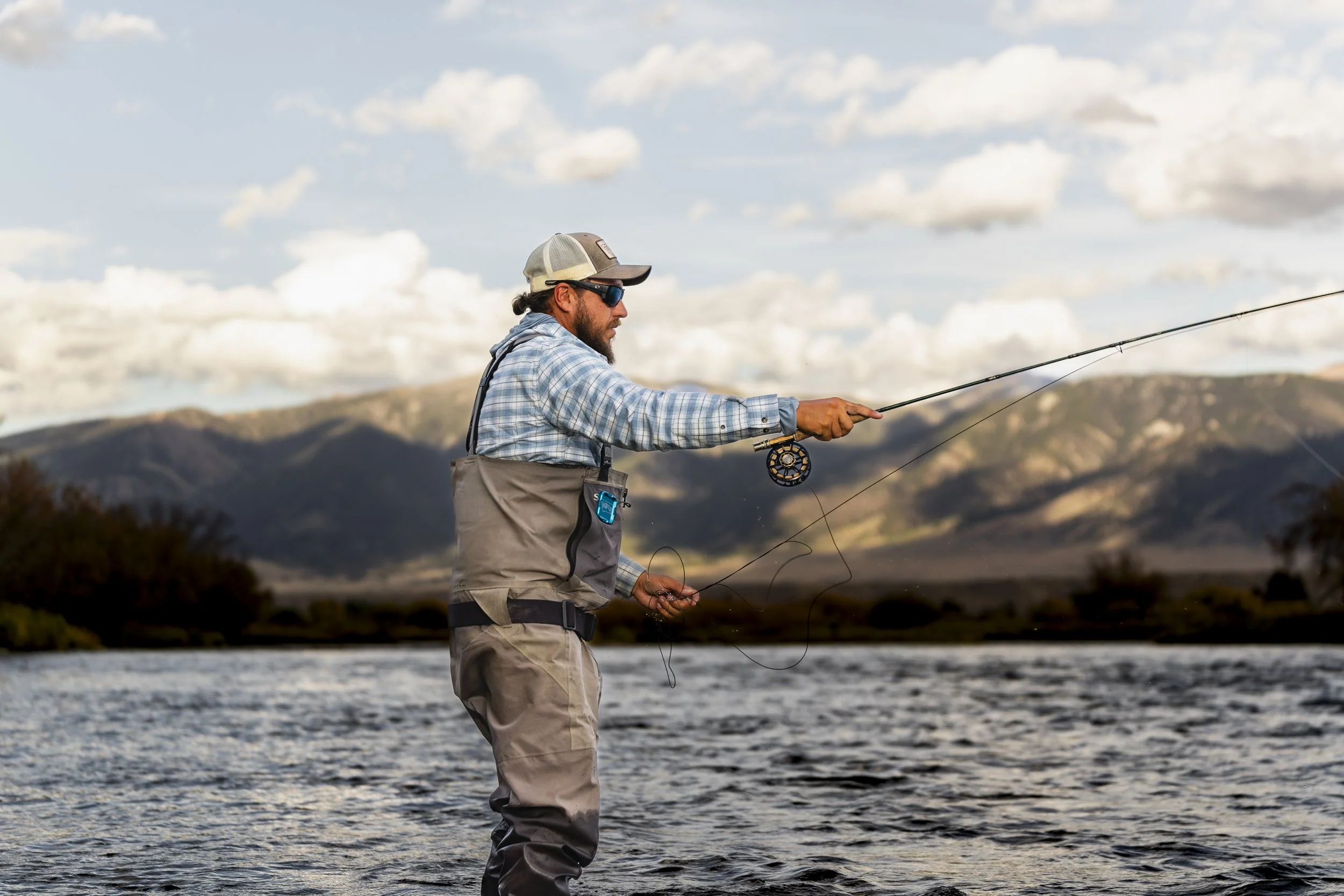
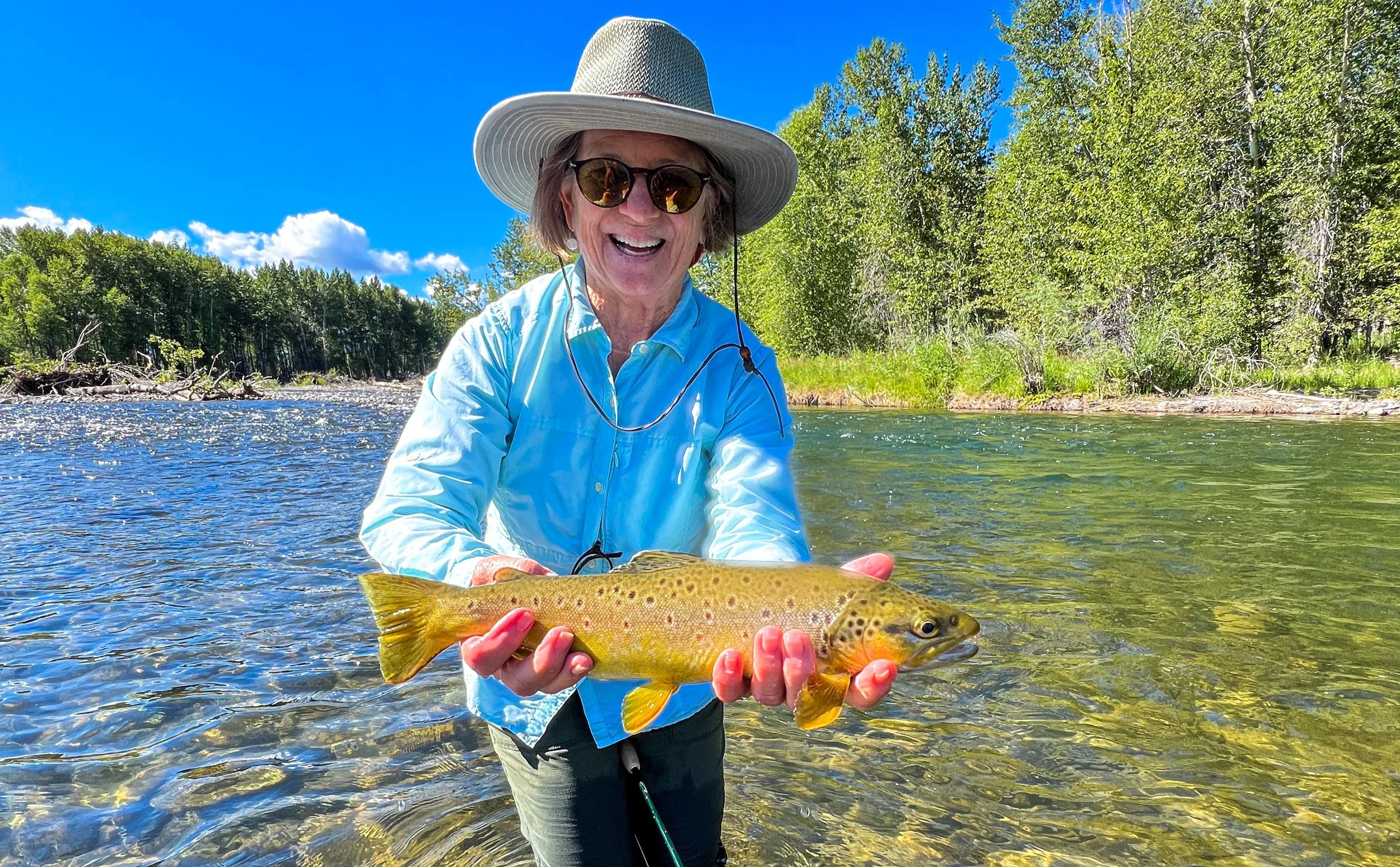
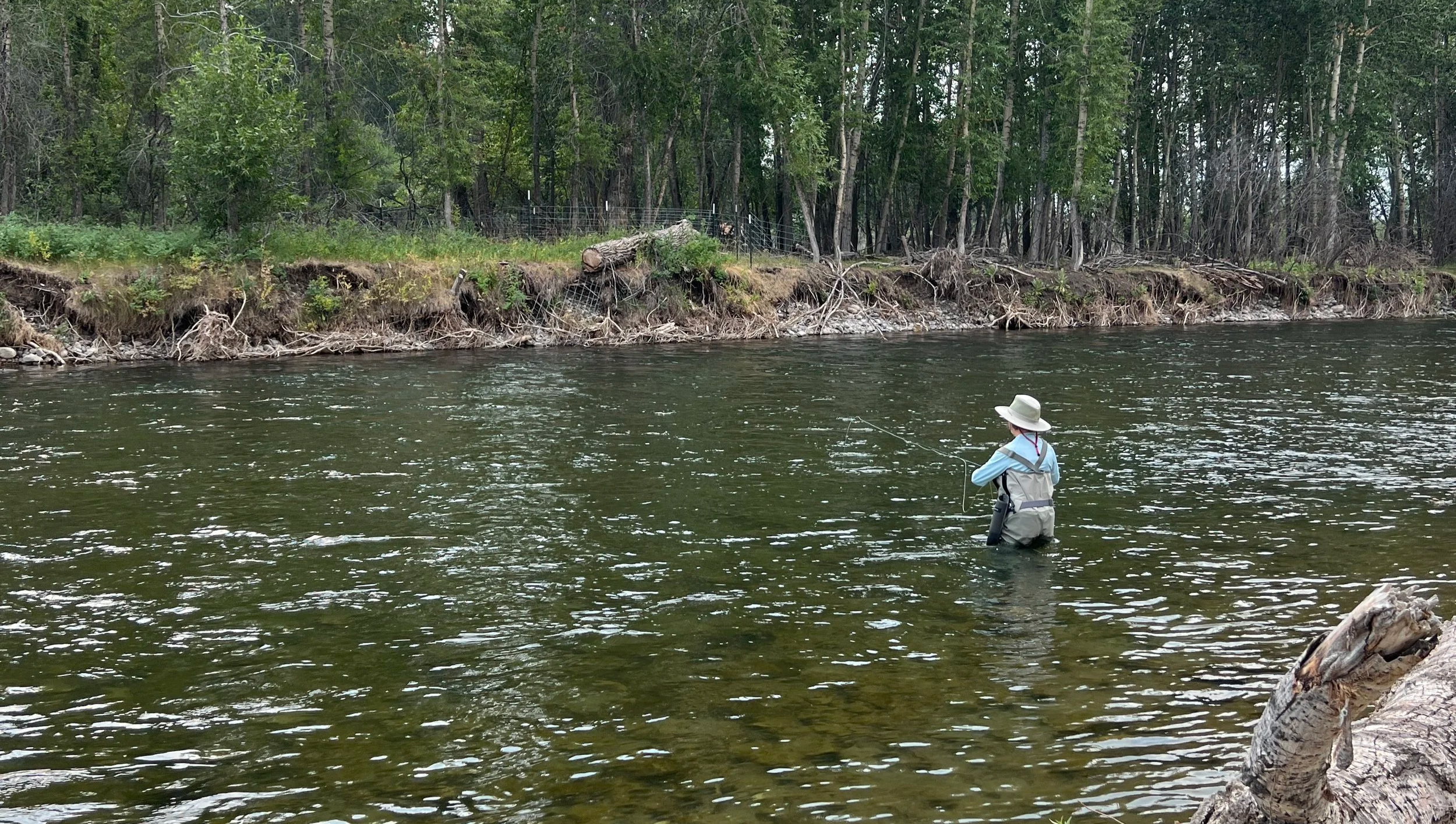
Walk-wade trips involve fishing entirely on foot.
Rather than floating downstream, you’ll hike into sections of river and fish while wading through different runs, riffles, and seams.
Walk-wade trips are especially popular on:
The Gallatin River
Smaller streams
Spring creeks
Technical water
Pocket water fisheries
These trips usually create a slower-paced, more hands-on fishing experience.
Pros of Walk-Wade Fly Fishing Trips
More Hands-On Instruction
Walk-wade trips can be excellent for anglers who want to improve their overall fly fishing skills.
Because guides and anglers spend more time standing together in one area, instruction often becomes more detailed and focused.
This allows guides to spend more time teaching:
Reading water
Casting adjustments
Line control and mending
Fly selection
Wading technique
Trout behavior
For anglers who really want to learn the “why” behind fly fishing techniques, walk-wade trips can be incredibly valuable.
Slower Pace and More Immersive Experience
Many anglers simply love being fully connected to the river.
Walk-wade trips often involve:
Exploring side channels
Carefully stalking rising fish
Fishing pocket water
Walking gravel bars
Slowing down and analyzing water carefully
For many people, this feels like the classic Montana fly fishing experience.
Excellent for Technical Water
Some fisheries simply fish better on foot.
Spring creeks, shallow riffles, smaller streams, and technical dry fly water are often easier to fish thoroughly while wading.
Cons of Walk-Wade Fly Fishing Trips
More Physically Demanding
This is probably the biggest thing people underestimate.
Walk-wade trips can involve:
Uneven river bottoms
Slick rocks
Hiking
Climbing banks
Standing for long periods
Fighting current throughout the day
Tough river crossing through fast and heavy current
Not every walk-wade trip is strenuous, but they are generally more physically demanding than float trips.
Less Water Coverage
On foot, you naturally cover less water throughout the day.
That slower pace can absolutely be a good thing under the right conditions, but it sometimes limits flexibility when fish are spread out or river conditions are changing.
Larger Groups Usually Need to Split Up
Walk-wade trips can become more difficult with larger groups.
Unlike float trips where boats can move together downriver, walk-wade fishing usually requires groups to spread out in order to avoid crowding productive water.
That means larger parties often spend less time fishing together throughout the day.

Which Fly Fishing Trip Is Better for Beginners?
There really isn’t one perfect answer.
For many beginners, float trips are actually the easier and more enjoyable option because they:
Reduce difficult wading
Offer cleaner casting lanes
Cover more productive water
Keep anglers comfortable throughout the day
Walk-wade trips, however, can offer more detailed instruction and a slower learning pace.
The best option usually depends on:
Your mobility
Group size
Fishing goals
Current river conditions
How active you want the day to be

Hybrid Fly Fishing Trips: The Best of Both Worlds
One thing many anglers don’t realize is that not every guided trip fits perfectly into the category of either a pure float trip or a strict walk-wade trip. Depending on river conditions, flows, time of year, and what kind of experience you’re looking for, there are also opportunities to do more of a hybrid-style trip.
On certain rivers around Bozeman — especially sections of the Madison River — guides can combine both approaches throughout the day. That might mean floating productive water from the boat for part of the trip, then stopping to get out and fish specific runs, side channels, banks, or riffles on foot.
These hybrid trips can be a great option for anglers who want:
The mobility and efficiency of a drift boat
The slower pace and immersion of walk-wade fishing
More variety throughout the day
Extra instruction while wading certain water types
The ability to fish water that may be difficult to reach entirely on foot
In some sections of the Madison River, fishing directly from the boat is not allowed under Montana regulations, but drift boats can still legally be used as transportation. In these situations, the boat essentially acts as a “taxi” that allows anglers to access more water than they could realistically cover during a traditional walk-wade trip.
This creates several advantages.
Instead of spending large portions of the day hiking between spots or fishing heavily pressured access points, guides can float through busier sections and reach water that sees less foot traffic. Once there, anglers can get out and thoroughly fish productive water on foot while still benefiting from the mobility of the boat.
For many anglers, especially intermediate or experienced fly fishers, this style of trip offers an ideal balance between efficiency and a more hands-on fishing experience.
It’s also a great option for anglers who may not want to physically cover several miles on foot but still want the feel of a walk-wade style trip.
Book a Guided Fly Fishing Trip Near Bozeman
Whether you choose a drift boat trip or a walk-wade trip, both offer incredible ways to experience fly fishing in Southwest Montana. The key is choosing the option that best matches your group, skill level, and the type of experience you’re looking for on the water.
At Rising Trout Fly Fishing Outfitters, we help anglers choose the right trip based on current river conditions, seasonal hatches, water levels, and what will give you the best overall experience during your time in Montana. Some days that means covering miles of river from a drift boat. Other days it means slowing down and wading technical water with dry flies.
We offer fully customized full-day and half-day guided fly fishing trips on the Madison, Gallatin, Yellowstone, and other nearby Montana fisheries for anglers of all experience levels.
If you're planning a fly fishing trip near Bozeman and want help deciding between a float trip or a walk-wade trip, give us a shout. We’re happy to point you in the right direction, answer questions, and help put together the best trip possible for your group.