
Yellowstone River Fly Fishing Guide
Your Complete Yellowstone River Fly Fishing Guide
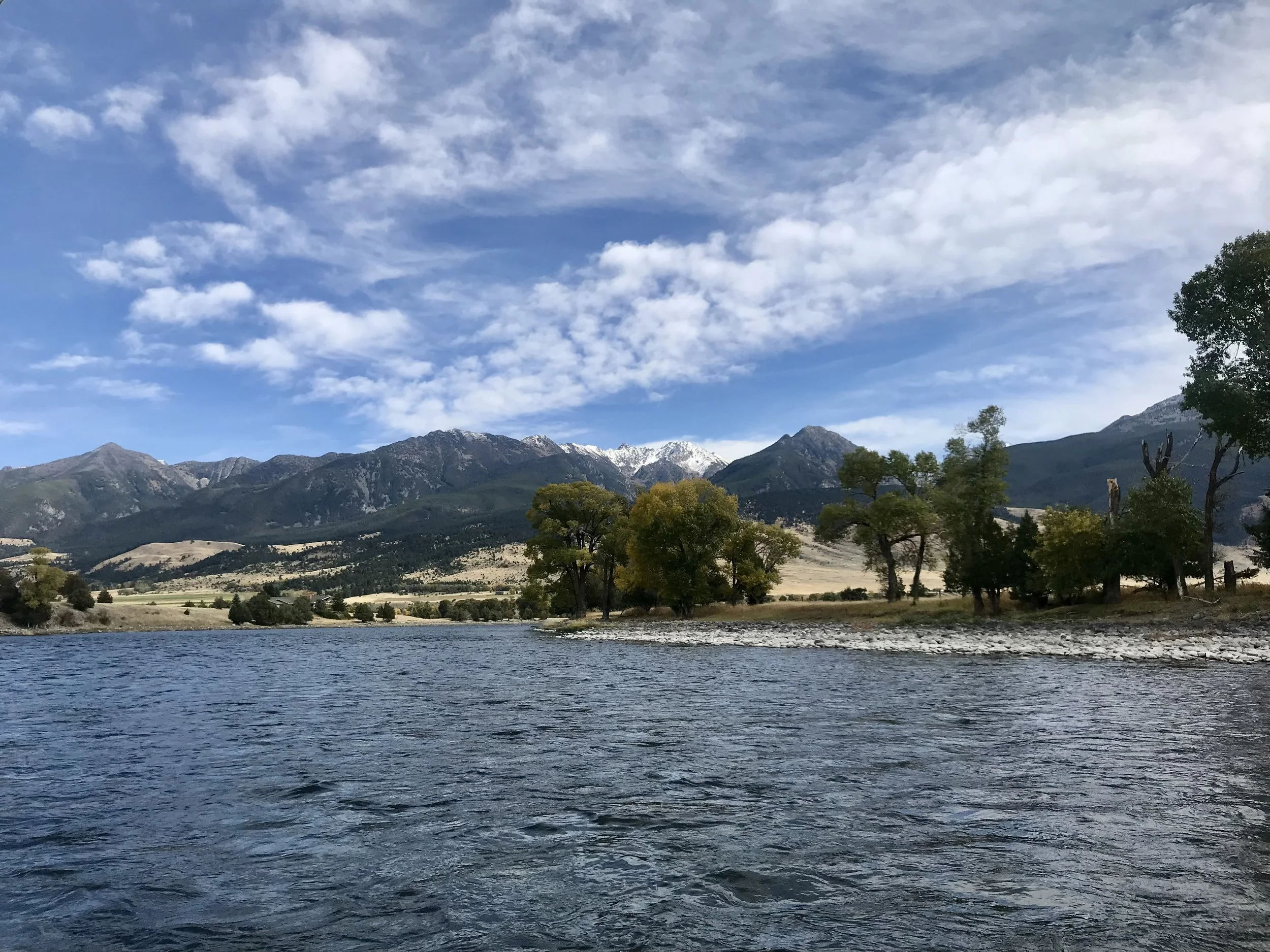
The Yellowstone River is one of Montana’s most iconic freestone trout fisheries, flowing from Yellowstone National Park through Gardiner, Paradise Valley, and Livingston before continuing east across the plains. Known for its wild character, diverse hatches, and constantly changing conditions, the Yellowstone offers exceptional fly fishing opportunities throughout much of the year—but timing, location, and approach are everything.
This guide breaks down where to fish, when to go, what hatches to expect, and which flies work best, all with the goal of helping anglers understand what makes a guided Yellowstone River fly fishing trip so valuable.
Yellowstone River Sections: Where to Fish
Gardiner through Yankee Jim Canyon (Upper Yellowstone)
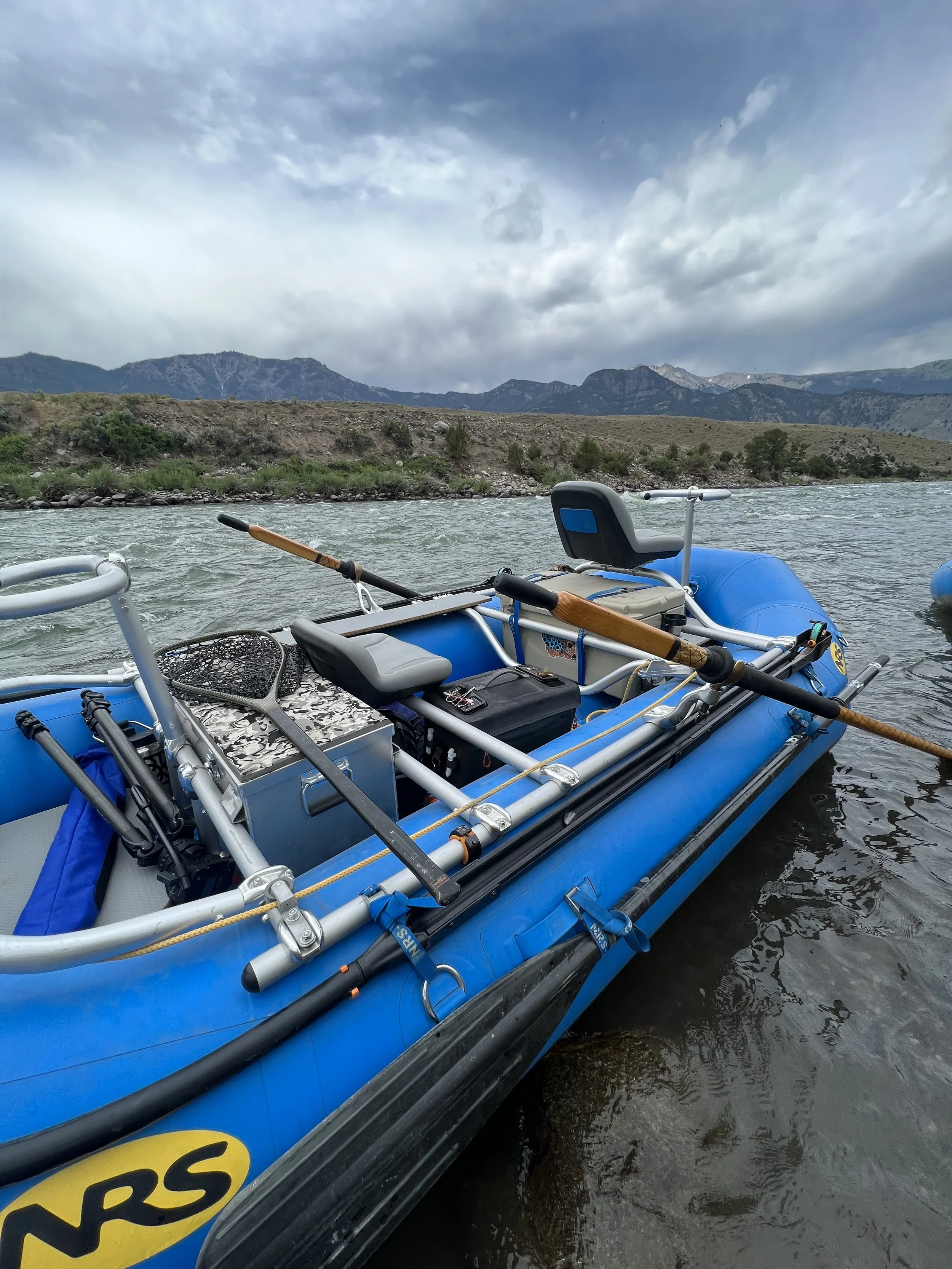
The upper Yellowstone, flowing out of the park and down toward Yankee Jim Canyon, feels wild and untamed. This stretch features fast riffles, pocket water, heavy structure, and defined seams, making it a true freestone experience. The trout population here is healthy and aggressive, with Yellowstone cutthroat trout, rainbows, and browns all present.
Because of gradient and structure, fish are often spread out rather than stacked in obvious buckets. Success here depends on reading water carefully, targeting edges, pockets, and softer seams behind boulders and shelves. This section can fish well with nymphs and streamers early in the season and turns into a strong dry-fly fishery when summer hatches get rolling.
This stretch is particularly sensitive to flow changes, wind, and water temperature, making it a great example of why local knowledge matters when choosing when and where to fish.
Paradise Valley (Below the Canyon through the Valley above Livingston)
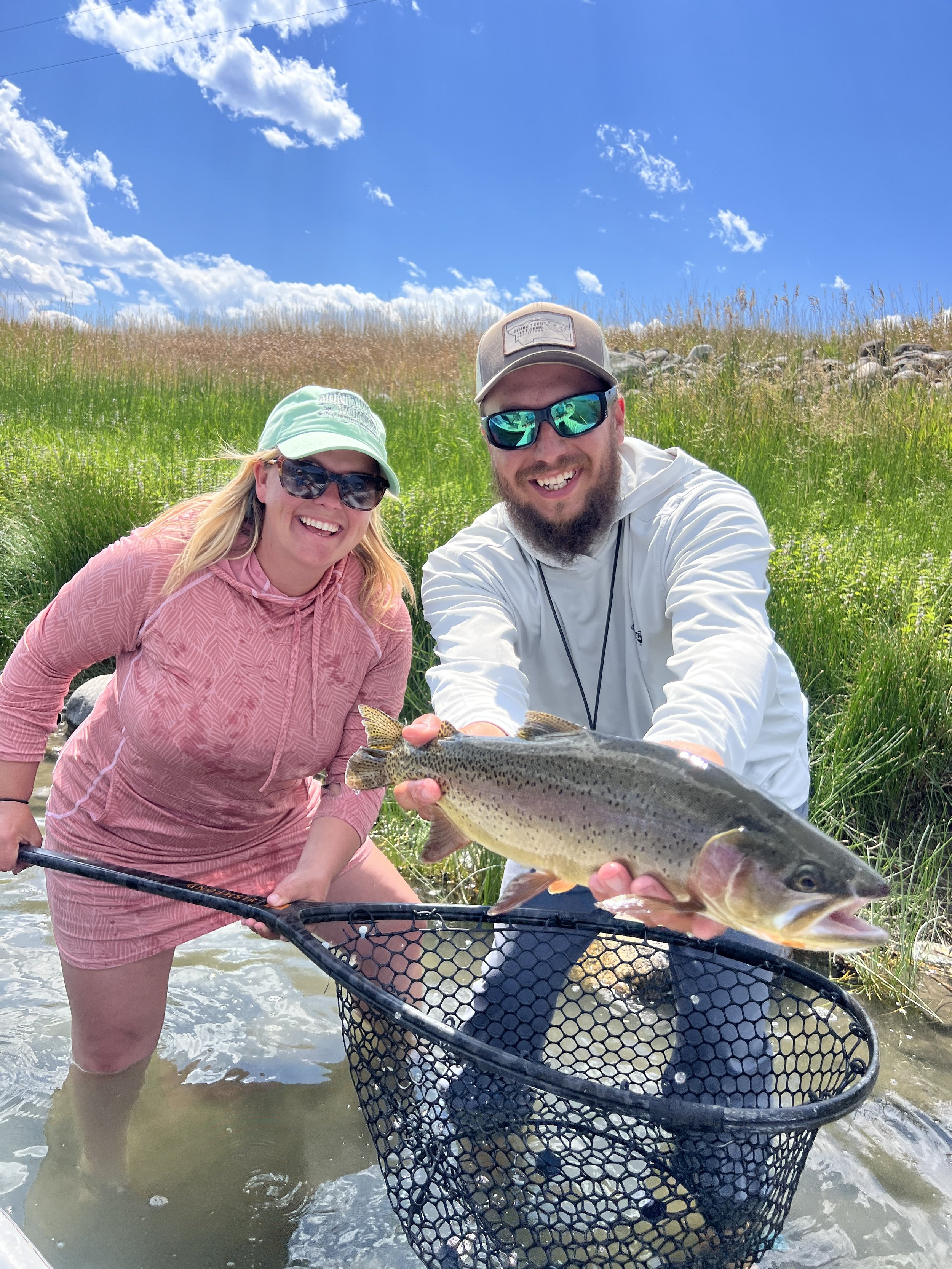
As the Yellowstone enters Paradise Valley, it opens up into wide riffles, long runs, gravel bars, side channels, and deep bends. This is the most famous and frequently guided stretch of the river—and for good reason. It offers a mix of float and wade fishing, excellent seasonal hatches, and consistent trout populations.
This section shines during summer and fall, when stable flows allow anglers to cover water efficiently and fish can be targeted with dry flies, dry-droppers, and nymph rigs. Wind is often a factor in Paradise Valley, especially in the afternoons, so timing and stretch selection play a huge role in success.
The river here holds fish throughout the system, but the most productive water often changes daily depending on light levels, insect activity, and water temperature. Guides use experience to rotate water types and stay ahead of changing conditions.
Livingston Area & Downstream (Lower Yellowstone)

From Livingston to Big Timber and Below, the Yellowstone begins to change character again. The river still feels large, but the water often features deeper troughs, slower edges, and more defined holding water, especially outside of peak summer flows. This area has big open runs that make it especially fun to fish during late summer terrestrial season - Hoppers, Ants, and Beetles are the dry flies of choice this time of year.
This section can also fish extremely well during shoulder seasons—early spring, late fall, and winter—when fish slide into softer water and feed more predictably. Nymphing and streamer fishing are especially effective here, and it’s often where guides focus when conditions upstream are less favorable.
Wind can still play a role, but the structure in this stretch allows anglers to adapt with heavier rigs and more controlled presentations.
Fishing the Yellowstone River by Season
Spring (March–May)
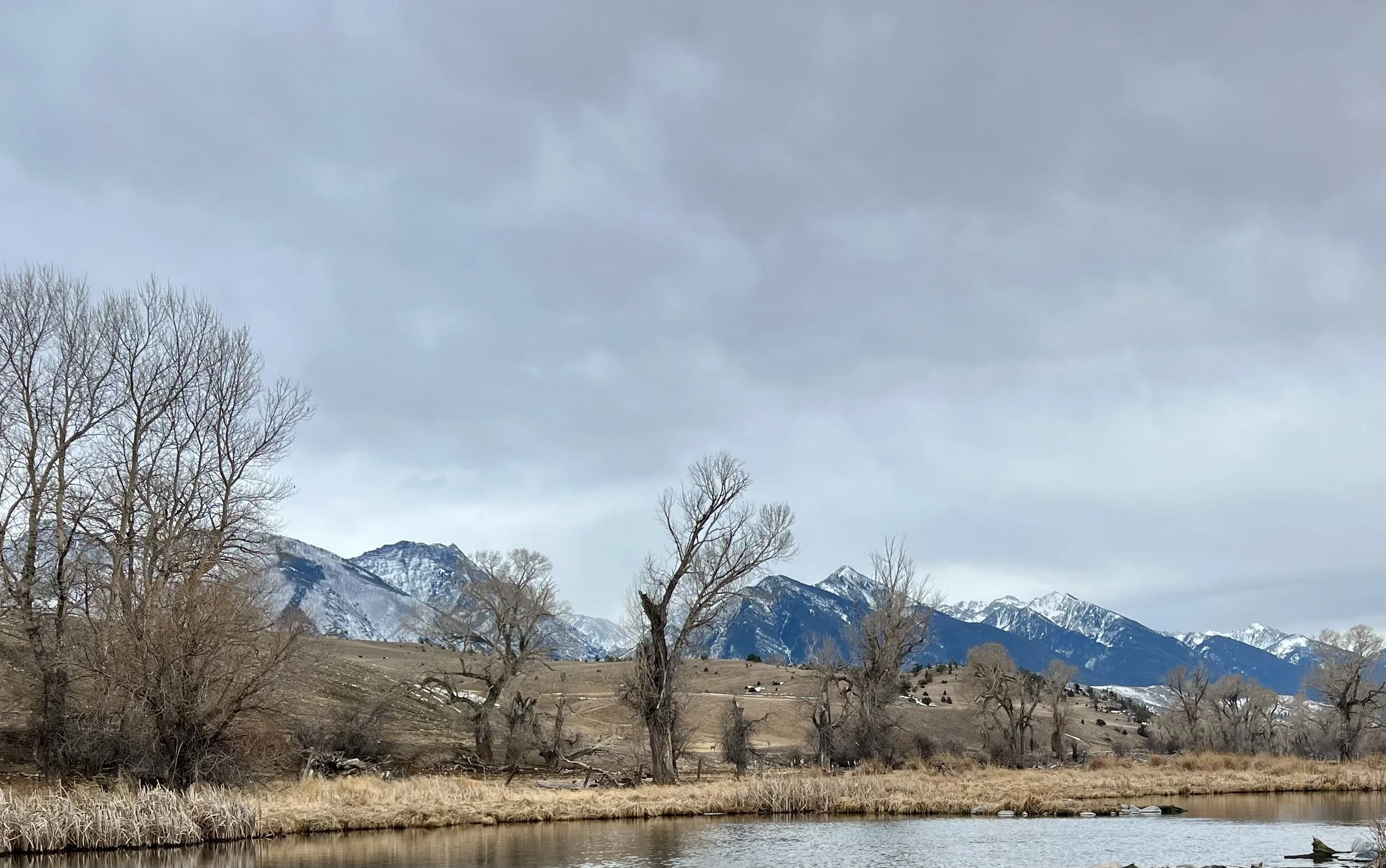
Spring on the Yellowstone is all about patience and timing. Cold overnight temperatures keep water temperatures low, making late morning through midafternoon the most productive window. Early in the season, trout hold in deeper runs and softer seams where they can conserve energy.
As days lengthen and water temperatures slowly rise, midges and blue-winged olives (BWOs) become the primary food sources. Spring fishing can reward anglers with excellent dry-fly opportunities on cloudy days, but consistency usually comes from nymphing with small, natural patterns.
Flows and clarity can change quickly with spring rain or early snowmelt, and this variability is why guided trips focus heavily on reading current conditions rather than sticking to a fixed plan.
Favorite Spring Flies:
Beadhead Soft Hacle Pheasant Tail Nymph
Zebra Midge (black, red, or olive)
Egg Pattern Nymphs (Near Spawning windows)
BWO Nymphs (size 18–20)
Parachute Adams or BWO Dry (during hatch windows)
Early Summer & Runoff (Late May–June)
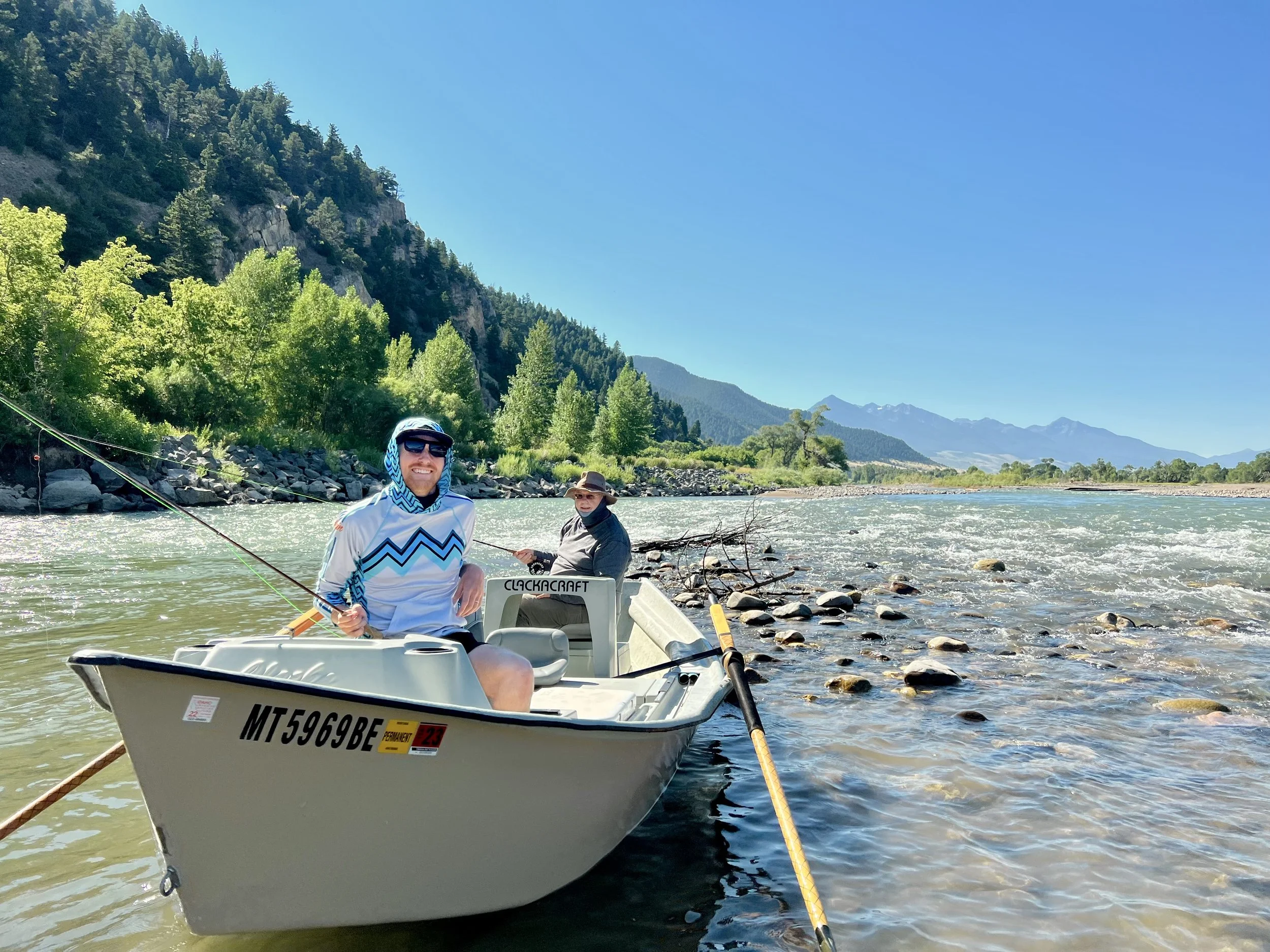
Runoff defines early summer on the Yellowstone. Snowmelt pushes flows high and often muddies the river, temporarily limiting fishing opportunities. This is a natural cycle and an important part of the river’s health.
When the river is fishable during runoff, success comes from fishing slow, inside edges and protected seams with larger, heavier flies. As flows begin to drop and clarity improves, fishing can turn on quickly—often overnight.
During this transition period, guides carefully track flow trends and water color to identify short windows of opportunity.
Favorite Early Summer Flies:
Beadhead Hare’s Ear
Prince Nymph
San Juan Worm (during dirty water periods)
Large Stonefly Nymphs - Rubberlegs and Girdle Bugs
Larger Streamers, Swung, Stripped and Dead Drifted
Safety During Runoff
Runoff brings high, cold, fast water to the Yellowstone River, often making conditions unsafe for wading or floating. Strong currents, limited visibility, and reduced access mean there are times each spring when the best decision is simply not to fish the Yellowstone.
When runoff is at its peak, tailwaters and spring creeks are safer and more productive options. Rivers like the Madison River offer more stable flows and clearer water, while nearby spring creeks provide consistent conditions during runoff. A local guide’s job is knowing when to change plans to ensure a safe and enjoyable day on the water.
Summer (Late June–August)
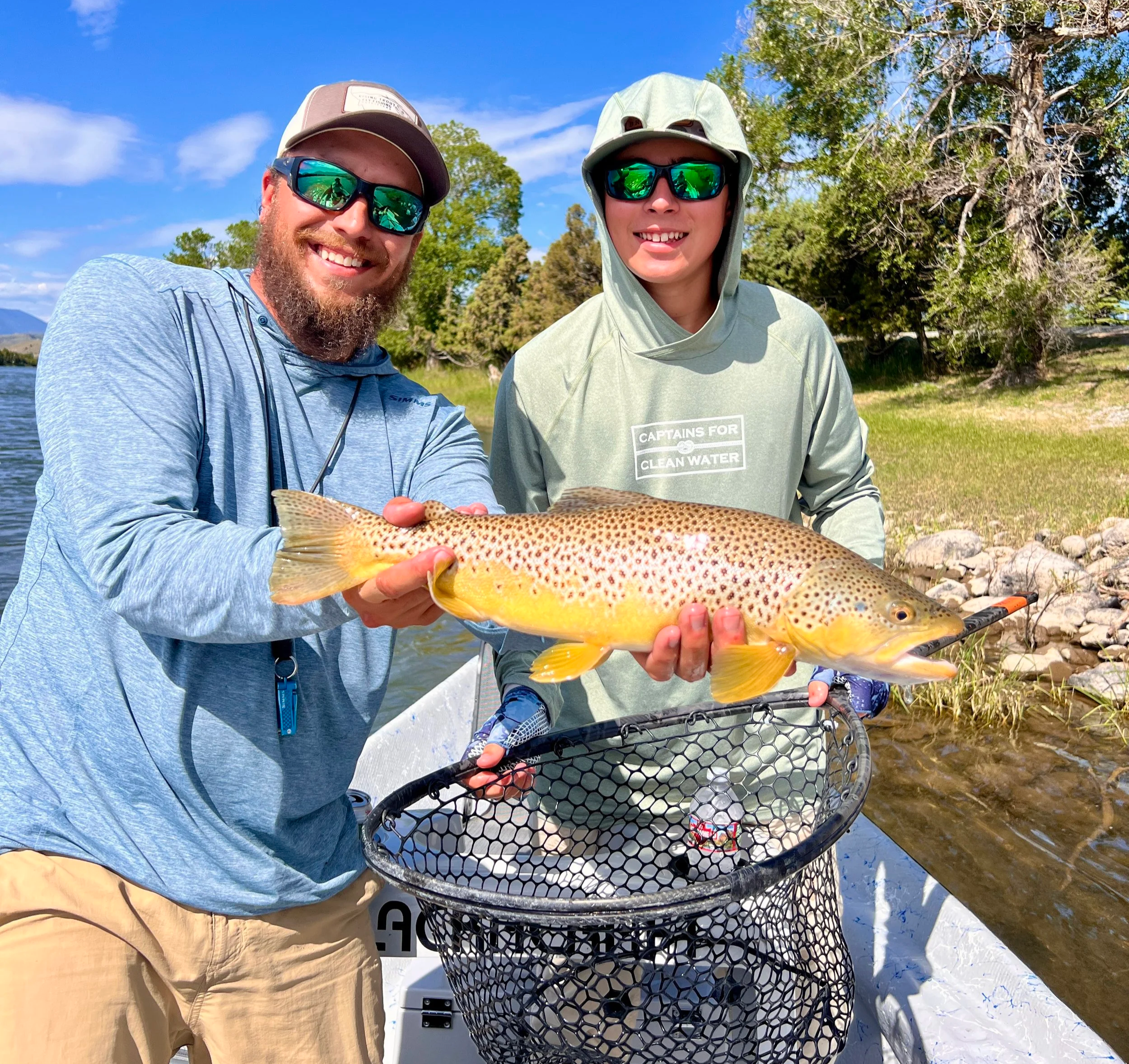
Summer is the Yellowstone’s most popular and visually exciting season. Once runoff clears, the river becomes a dry-fly playground, with trout willing to move for large, visible patterns.
Salmonflies and golden stones headline early summer, followed by caddis, PMDs, and terrestrials as the season progresses. Hopper fishing can be outstanding during windy afternoons, while mornings and evenings often favor more delicate presentations.
Because water temperatures can climb during peak summer heat, responsible anglers and guides pay close attention to fish handling practices and potential afternoon closures.
Favorite Summer Flies:
Salmonfly and Golden Stone Patterns
Chubby Chernobyl
Nymphs- Frenchie, Perdigons, Rubberlegs, Softhackle PT’s and Hares Ear, Lightning Bugs, PMD Nymphs, Caddis Nymphs
Elk Hair Caddis
Purple Haze
Hopper Patterns (tan, yellow, pink)
Streamers for early and late light
Fall (September–November)
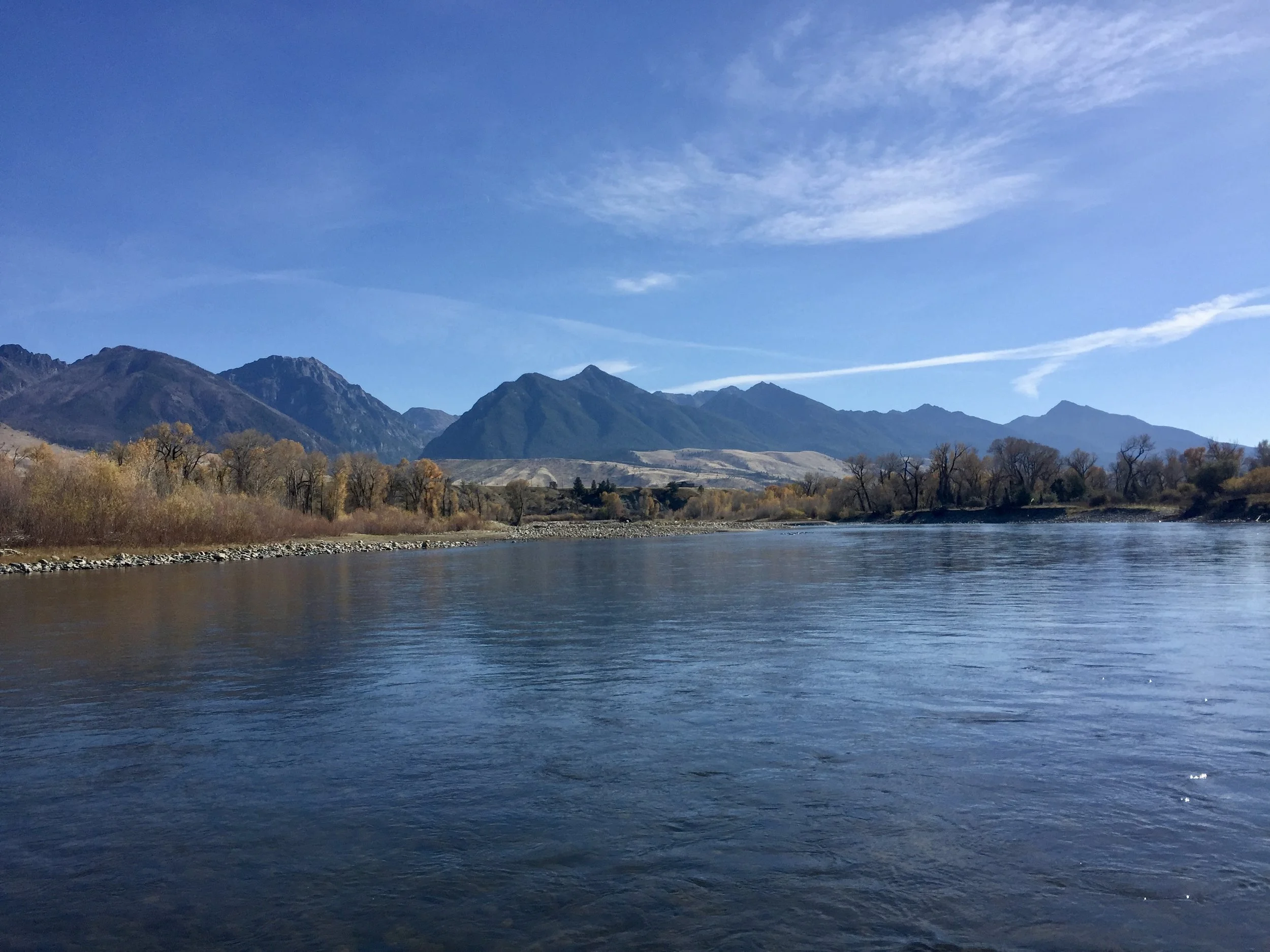
Fall is one of the best times to fly fish the Yellowstone River. Cooler nights stabilize water temperatures, crowds thin, and trout feed aggressively in preparation for winter.
Blue-winged olives dominate much of the fall dry-fly fishing, especially on overcast afternoons. Nymphing remains productive throughout the day, and streamer fishing picks up as browns become more territorial.
Fall conditions tend to be more predictable than spring or summer, making this an ideal season for anglers looking for consistent fishing and fewer variables.
Favorite Fall Flies:
BWO Sparkle Duns and Emergers
Baetis Nymphs - Splitback BWO, May it be Baetis, Soft Hackle PT’s
Stonefly Nymphs
Zebra Midges
Streamers - Sculpin and Baitfish Patterns (olive, black, white, Silver)
Winter (December–February)
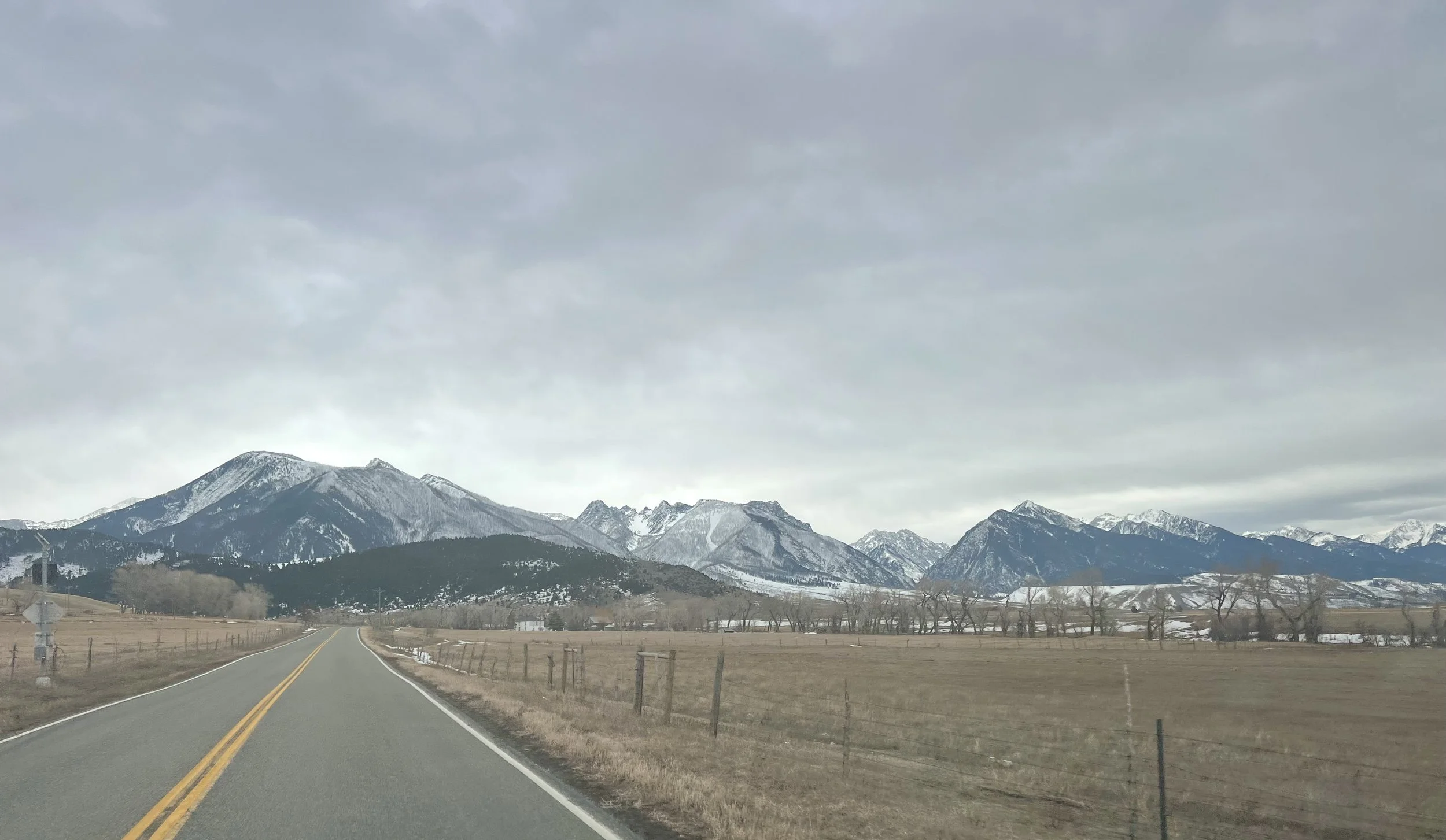
Winter fly fishing on the Yellowstone is highly weather-dependent but can be rewarding for anglers willing to fish shorter windows. Most action happens midday, when sunlight slightly raises water temperatures.
Fish hold in deep, slow water, and small nymphs and midges dominate the menu. Streamers can still move fish, but presentations must be slow and deliberate.
Safety and flexibility are key in winter, and guides carefully choose stretches with open water and safe access.
Winter Spring Creek Options
During winter, prolonged cold snaps can cause sections of the Yellowstone River to ice over or become unfishable. When this happens, nearby spring creeks are often the best option. Their consistent groundwater temperatures keep them flowing and ice-free, providing stable conditions even during the coldest stretches of winter.
Spring creeks offer reliable midge activity, predictable trout behavior, and safer wading when freestone rivers are locked up. For anglers looking to fish through winter, these creeks provide a technical but rewarding alternative when the main river isn’t accessible.
Favorite Winter Flies:
Zebra Midge
Small Baetis Nymphs
Small Stonefly Nymphs
Slow-swinging or dead-drifted Streamers
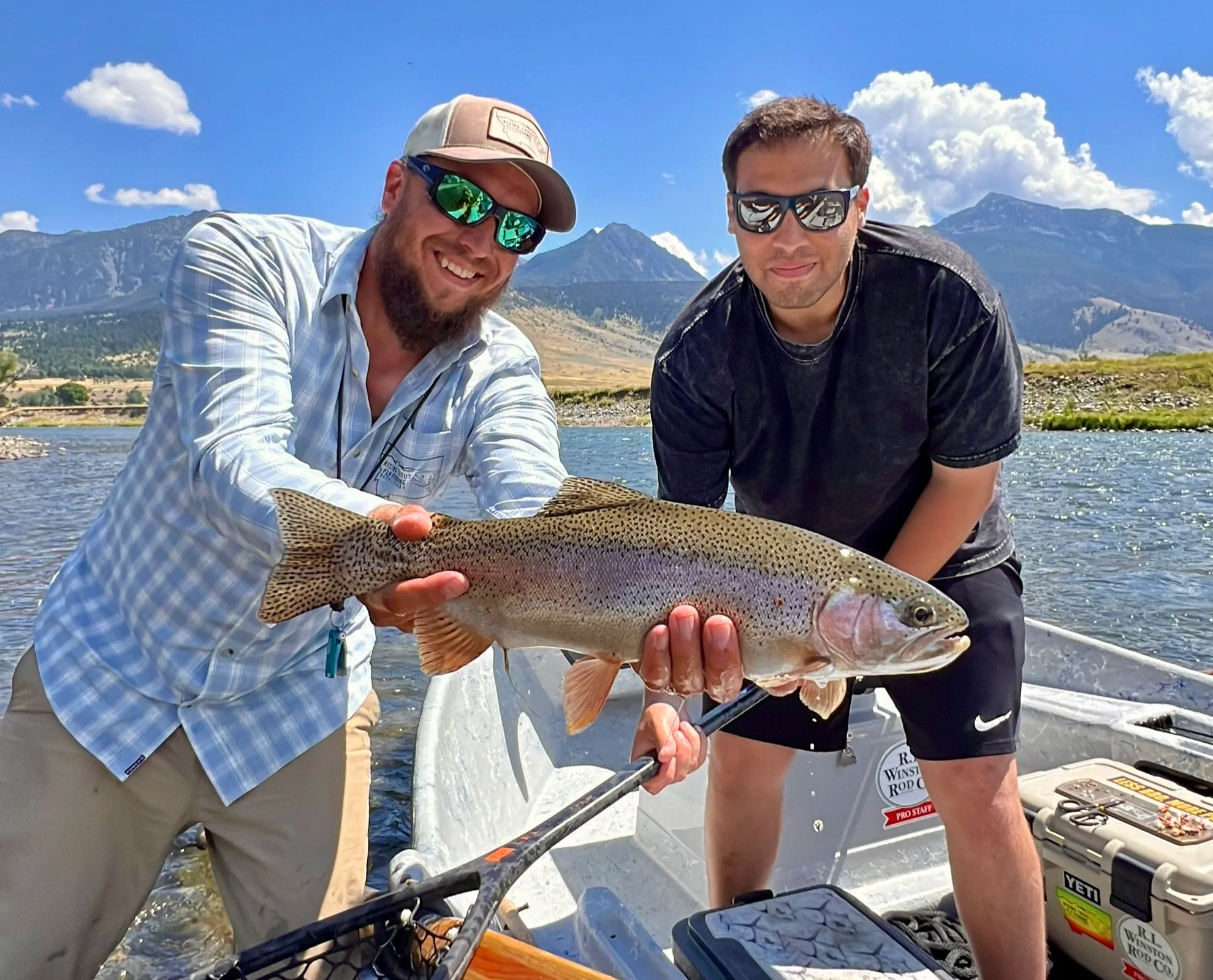
Plan Your Yellowstone River Fly Fishing Trip
The Yellowstone River offers a true Montana fly fishing experience, with opportunities that change throughout the seasons. From summer dry-fly days in Paradise Valley to fall streamer fishing and technical winter windows, success on this river comes down to timing, conditions, and local knowledge.
If you’re ready to experience the Yellowstone with a guide who understands how and when to fish each section, we’d love to help you plan your trip. Book a guided Yellowstone River fly fishing trip and let us tailor the day around current conditions, seasonal hatches, and your goals on the water.