Winter Trout Spey: A Better Way to Fish Streamers When It’s Cold.
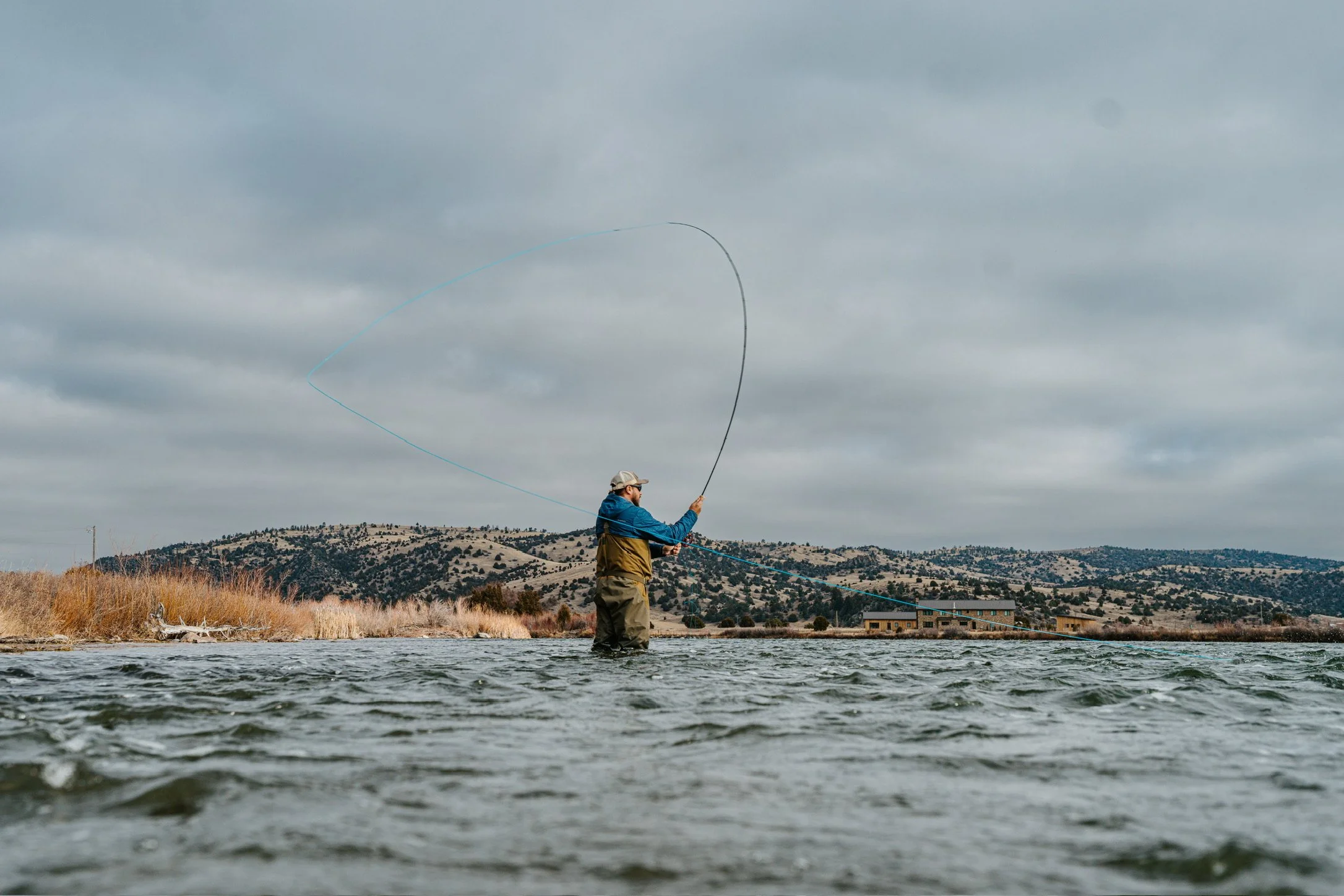
Want to Fish Streamers in the Winter More Effectively? Try Trout Spey.
Winter in Montana (and across the West) is a different game—cold hands, slower metabolism in trout, narrow feeding windows, and ice shelves framing long chalky seams. But for those who love to chase brown trout on the move, winter is one of the most rewarding seasons to grab the two-hander and step into the flow. Trout spey shines when the water is low, fish are glued to softer winter lies, and heavy tips are needed to slow that fly down into the zone. If you’re looking to fish streamers more effectively when the mercury drops, swinging through winter with a trout spey setup might be your answer.
Why Trout Spey Works in Winter
In summer and fall, trout may charge six feet to smash a streamer. In winter, they might only move six inches. Energy is currency for trout — and in the cold, they spend it carefully. A swung fly drifts at the perfect pace: slow enough to be catchable, deep enough to be seen, and present long enough for a fish to make a decision.
You’re not forcing aggression — you’re offering opportunity.
A good winter swing has three goals:
Get deep
Stay in the strike zone longer
Move like something alive, but effortless to eat
When you achieve that? That heavy grab feels like it came out of nowhere
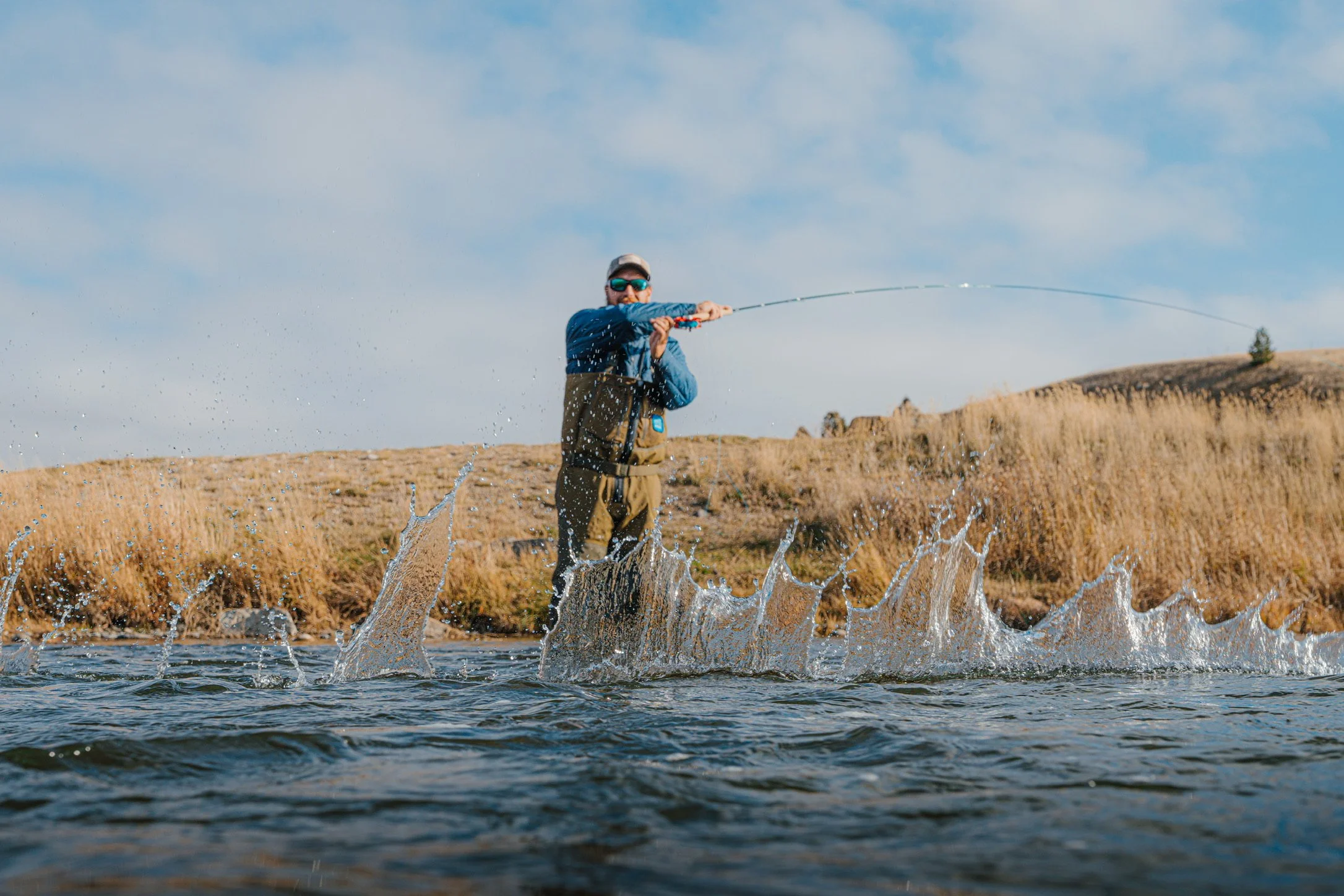
Advantages of Winter Trout Spey
📍 1. Slow + Deep = More Eat Opportunities
Winter trout want an easy meal. Trout spey lets you fish low and slow without ripping your arm off stripping all day. Weighted intruders, small sculpin patterns, and sparsely dressed leeches breathe beautifully on the swing—especially when you slightly mend to stall the fly.
📍 2. Longer Time in the Strike Zone
Stripping moves the fly to you. Swinging moves it through the fish. A well-placed swing covers the full holding lane, staying in front of trout much longer. In winter, that extra second or two matters.
📍 3. Less Line Handling, More Time Fishing
Cold hands are real—but constant stripping means constant line handling. Spey minimizes this. You cast, swing, step, repeat. Fewer ice-clogged guides, less frozen line stuck to fingertips, and more warm circulation while you're moving.
📍 4. It’s Fun. Like, Really Fun.
If you’ve never felt a winter trout crush a swung fly mid-belly hang, you’re missing out. Add in beautiful spey casting—snap-T’s echoing through the cold air, line lifting into tight loops—and it becomes addictive fast.
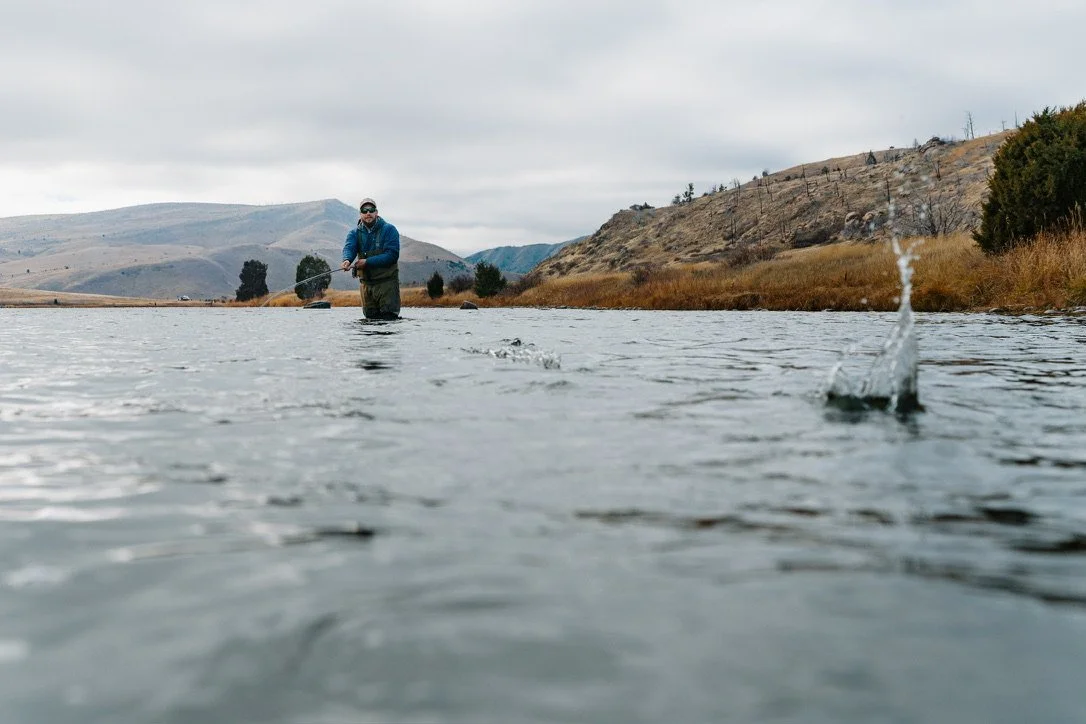
Where to Target Winter Swing Runs
Even if a river looks empty and sleepy, fish are still there—they’re just grouped up. Look for:
Soft inside bends with knee-to-waist depth - Soft flow + depth = perfect winter holding water
Tailouts with even walking-speed flow - Slower water, food delivery, minimal effort for fish
Slow pools below riffle transitions - Conveyor belt for nymphs + sculpins
Deep trench seams with softer cushion flows - Protection from current
Side channels with structure + depth - Often overlooked — sneaky good in winter
Focus on pieces of water where fish don’t have to fight the current. Winter trout won’t burn calories to eat—they wait for food to come to them.
Flies + Sink Tips, Leaders & Setup (Dial It In)
Winter is all about depth control. Too shallow and you miss fish. Too heavy and you snag bottom every cast.
Sink Tips:
T-8 to T-14 (depending on depth + speed)
8–12 ft usually gets you where you need to be
Cast, let it sink, mend, then let it work
Leader Setup:
2–4 ft of 10–12 lb fluoro
Keep it short — you want the tip to do the heavy lifting
Swing Strategy:
Cast slightly downstream of square
Mend deep early — let it sink
Maintain tension, but don’t accelerate the fly
Step down 1–3 feet between swings
If the fly isn’t ticking once in a while, you’re probably not deep enough.
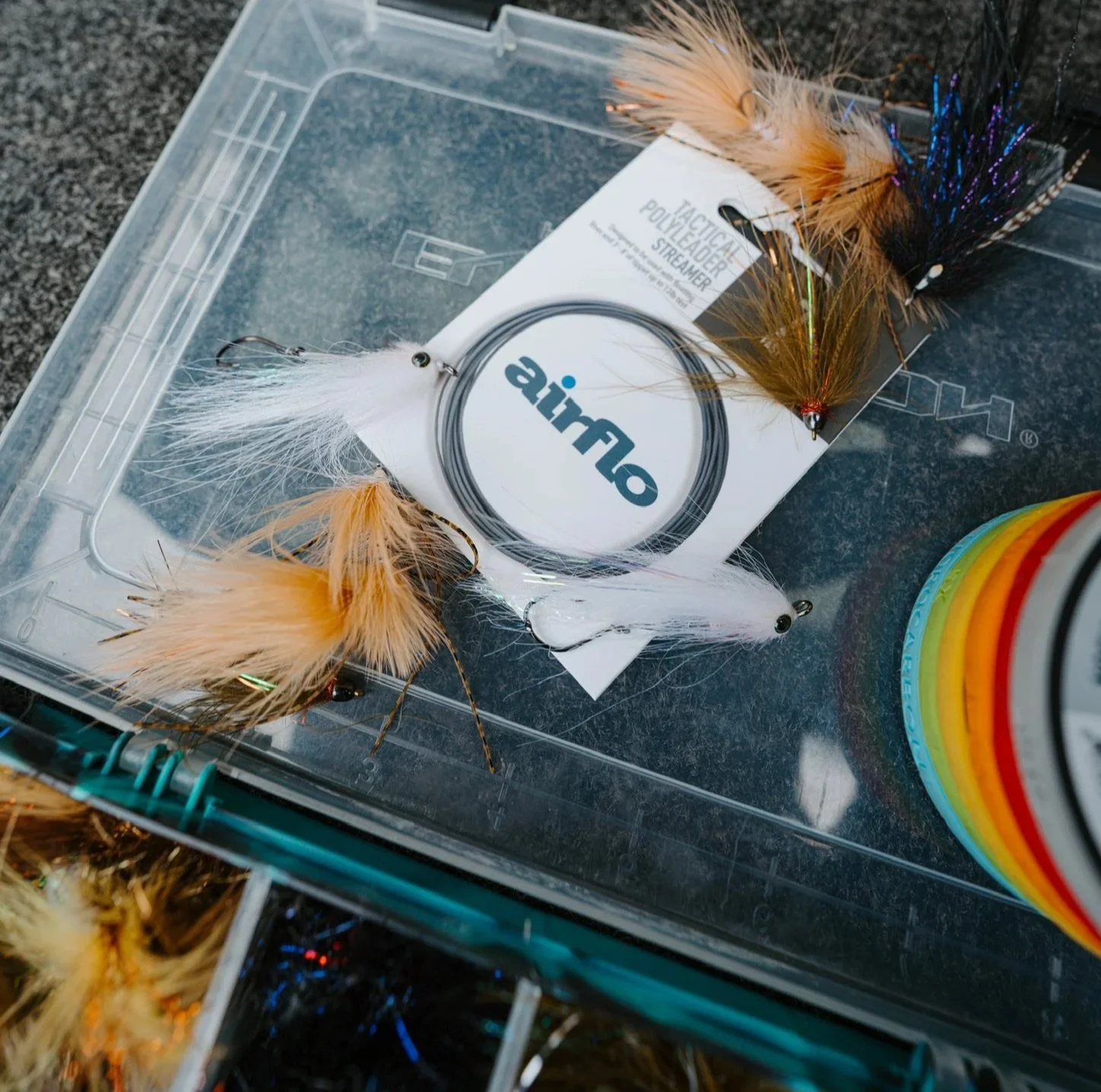
Winter flies don’t need to be huge. Often, smaller profiles out-perform bulkier patterns because they look easier to eat.
Best Winter Swing Patterns:
Mini Sculpins + Thin Zonkers
Soft Hackles
Leech Variants (Black, Olive, Rust)
Small Intruders / Marabou Spey Flies
Bugger-style Streamers With Movement
The key is breathing materials — marabou, rabbit, soft hackle. Movement without speed.
Favorite Winter Trout Spey Patterns:
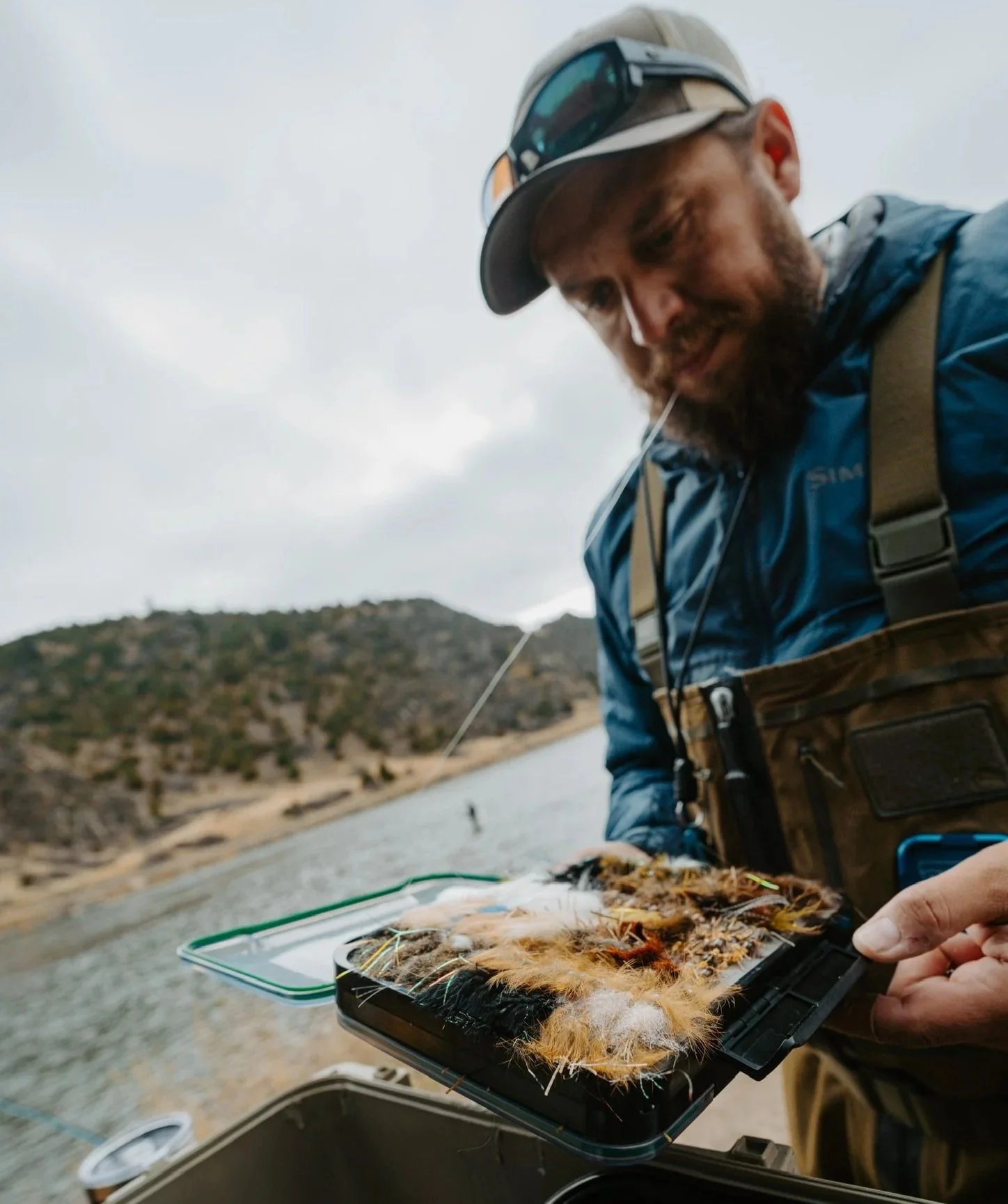
Sculpzilla, Egg Sucking Leach, Mini Dolly Llama, Trout Spey Bugger, Montana Intruder, Mini Stinger, Emerger Bugger, Mini Pick Yer Pocket, Brindle Bug, Tiny Dancer, Captain Crunch, and Soft Hackles
In winter, less is often more—trout don’t need something huge, just something easy.
Final Thoughts: Winter Trout Spey is a Game-Changer
If you’re tired of staring at a bobber or strip-retrieve with frozen fingers, winter trout spey offers a fresh way to stay sharp all season. It keeps you moving, swinging, and covering prime water efficiently. And when that line tightens and everything goes heavy? You’ll forget it’s 20 degrees out.
Ready to Try Winter Trout Spey?
Whether you’re new to two-handed rods or already addicted to the swing, we’d love to get you on the water this winter. Our winter spey trips are all about covering water smart, dialing in sink tips and presentations, and hunting for those cold-season grabs that feel like you hooked a freight train.
If you're ready to learn spey techniques, chase wild trout on the swing, or simply want a fresh winter experience — book a trip with Rising Trout Fly Fishing Outfitters and let’s make it happen.