5 Best Flies for October Fly Fishing in Montana
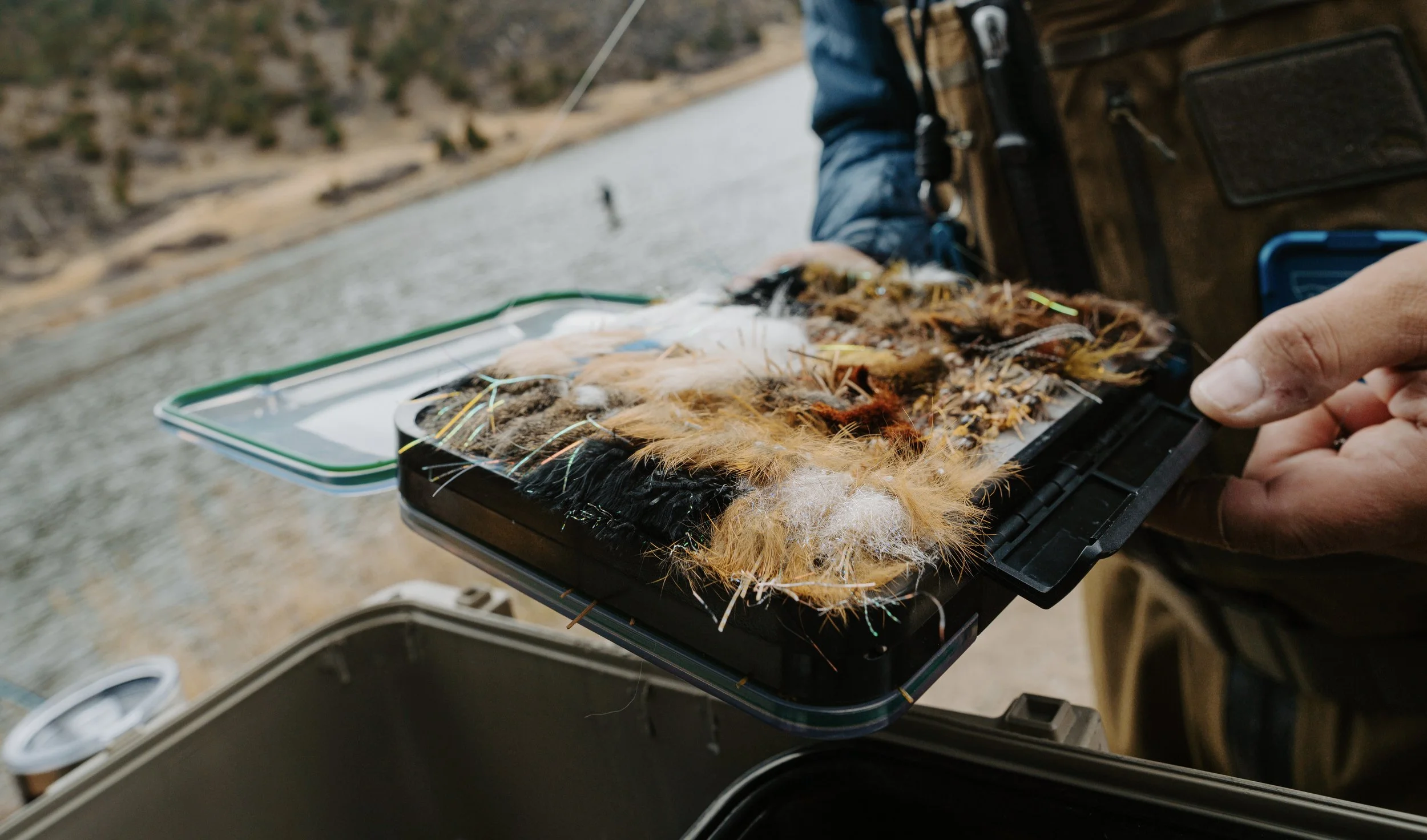
Our Favorite Guide Flies for October Fly Fishing in Montana
October is one of our favorite months for fishing around Bozeman. The days are getting shorter, the mornings are getting colder, and our rivers are settling into that unmistakable fall rhythm. Blue-winged olives become a major part of the program, brown trout start getting more aggressive as spawning season approaches, and we still see the occasional October Caddis bouncing around.
It is also one of those months where you can go from throwing a big streamer to fishing a size 18 dry fly in the same afternoon. There are obviously plenty of flies that will catch fish this time of year, but if we were putting together a small October box, these are five patterns we would absolutely want in it.
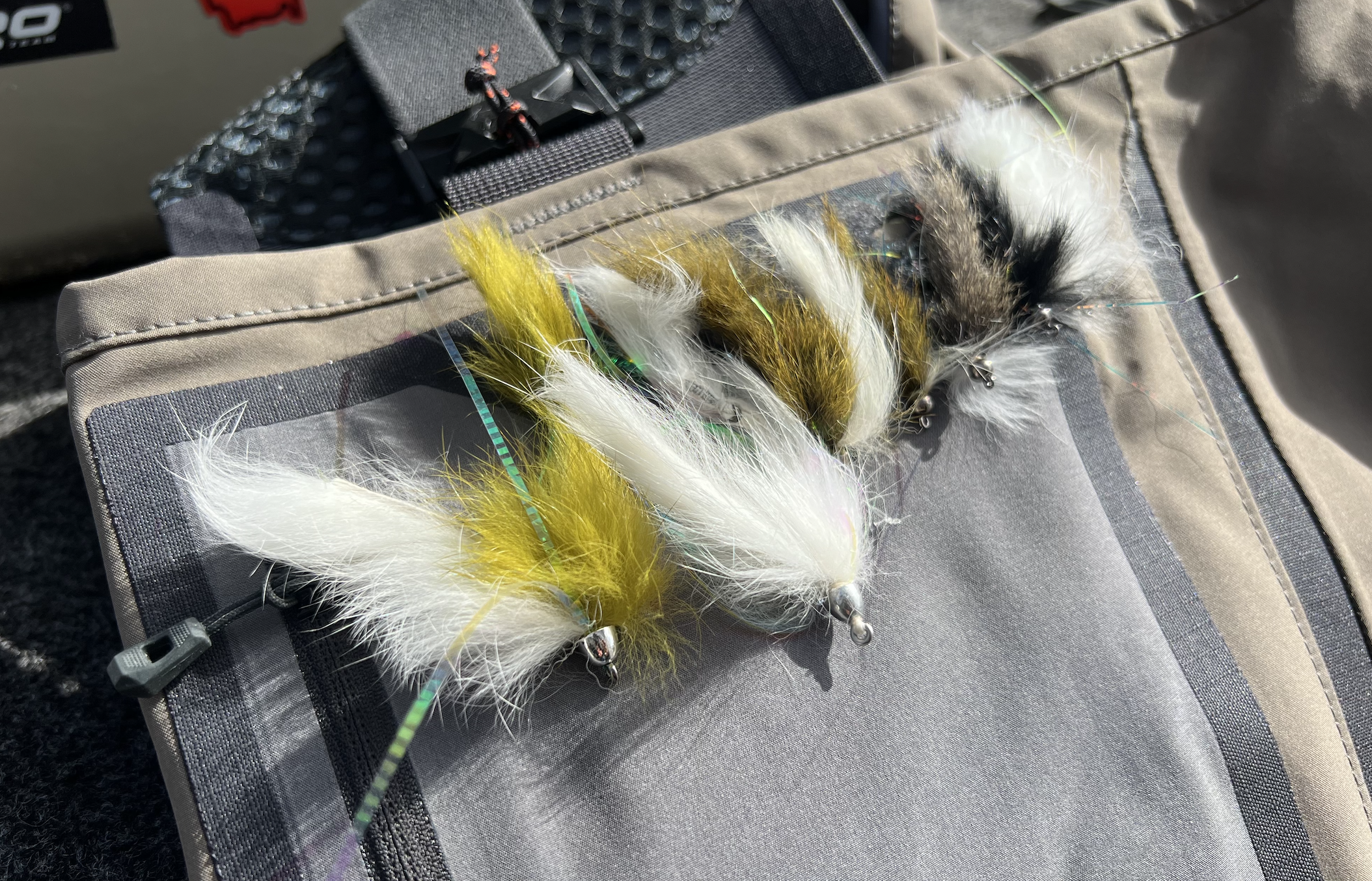
1. Dolly Llama — Big, Medium and Micro
Olive/White, White, Black, Natural/White
Dolly Llama — Big, Medium and Micro
The Dolly Llama might be one of our favorite fall streamers because you can fish it in so many different ways and in so many different sizes.
The rabbit-strip construction gives this fly a ton of movement without needing to rip it through the water. Depending on the size and color, it can imitate everything from a small sculpin or leech to a larger baitfish. That makes it a really versatile streamer when trout begin shifting toward a more predatory fall mindset.
As we get farther into October and brown trout start getting more aggressive heading toward spawning season, we like having some of the bigger Dolly Llamas around. On cloudy days, windy days, or when you're fishing bigger water, those larger profiles can move a fish that isn't necessarily interested in eating a tiny nymph.
That doesn't mean bigger is always better, though.
On bright sunny days, lower water, or smaller rivers, the medium and micro Dolly Llamas can be incredibly effective. You still get that great rabbit-strip movement and streamer profile without throwing something huge at fish that might be a little more cautious.
Another thing we like about this fly is that you don't always have to strip it aggressively. Swing it, dead drift it, twitch it through a deeper bucket, or slowly crawl it along the bottom. October water temperatures are dropping, so sometimes slowing the fly down can be just as effective as covering water quickly.
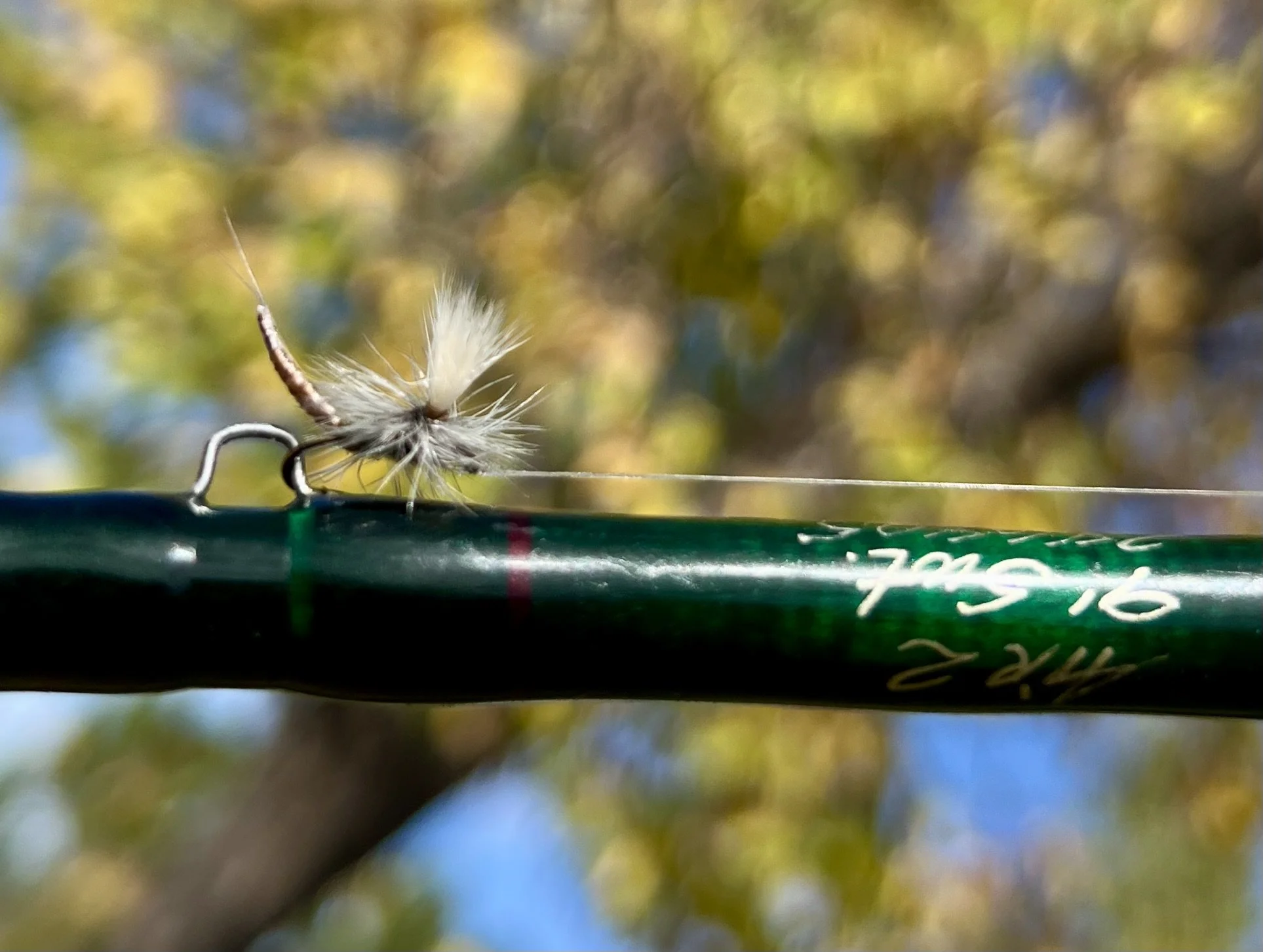
2. Extended Body BWO
Sizes 16-22
Extended Body BWO
If you're fishing Montana in October, you need some good Blue-Winged Olive dries, and the Extended Body BWO is one of our favorites.
The extended body gives the fly a really clean, lifelike profile on the water, while the post on top makes it considerably easier to see than a lot of tiny mayfly patterns. That's especially helpful in October when you might be trying to pick your fly out of glare, chop, or a cluster of naturals.
BWOs are the main October mayfly hatch on many of our waters around Bozeman. They can show up on any day, but those gray, overcast, slightly miserable October days are often when the hatch really gets going. Fall BWOs are fished generally in the 16–22 size range, depending on the river and conditions.
I especially like the size 16 Extended Body BWO as a searching dry. It has enough profile and visibility that you can prospect likely water with it even before you see fish actively rising.
When fish are actually up and eating BWOs, we'll often drop down to the size 18. It sits beautifully in the film, has a very realistic silhouette, and can be a great option when trout have really keyed in on mayflies and start ignoring bigger attractor dries.
It's one of those flies where having a few different sizes really matters.
3. Split Back BWO
Sizes 16–18
Split Back BWO
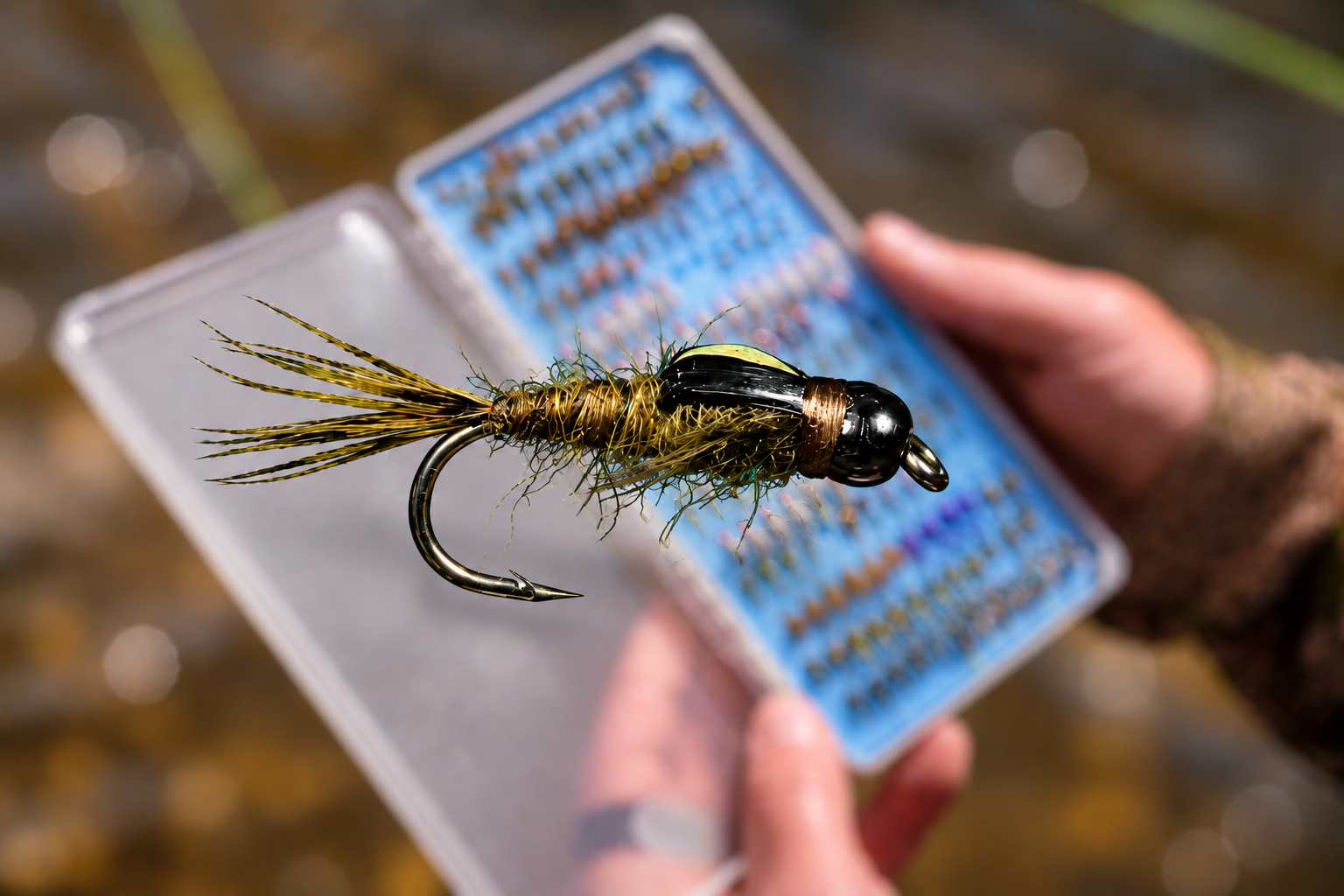
If the Extended Body BWO covers the surface, the Split Back BWO covers a huge part of what's happening underneath it.
This is one of our favorite little mayfly nymphs for October because trout spend a tremendous amount of time eating BWOs before those bugs ever make it to the surface.
A Split Back BWO can be particularly good when you can see occasional rises but the fish aren't fully committed to eating dries. Oftentimes they're picking off emerging insects just underneath the surface, and a small BWO nymph fished higher in the water column can be exactly what they want.
You can also put it underneath something much bigger and fish it deep.
Most versions are tied with a tungsten bead, so they get down quickly for such a small fly. That's especially useful on rivers like the Madison or Yellowstone where you're trying to get a small mayfly imitation into a deeper seam without adding a pile of split shot. Tungsten beadheads are particularly useful for quickly getting small nymphs into the feeding zone.
I like the 16 when I'm prospecting or fishing slightly faster water, and the 18 when BWOs are actively moving around and the fish seem keyed in on smaller bugs.
It also makes a really good dropper underneath a streamer, stonefly nymph, or October Caddis pattern. Big fly gets their attention; little BWO catches a lot of the fish.
4. Pat's Rubber Legs
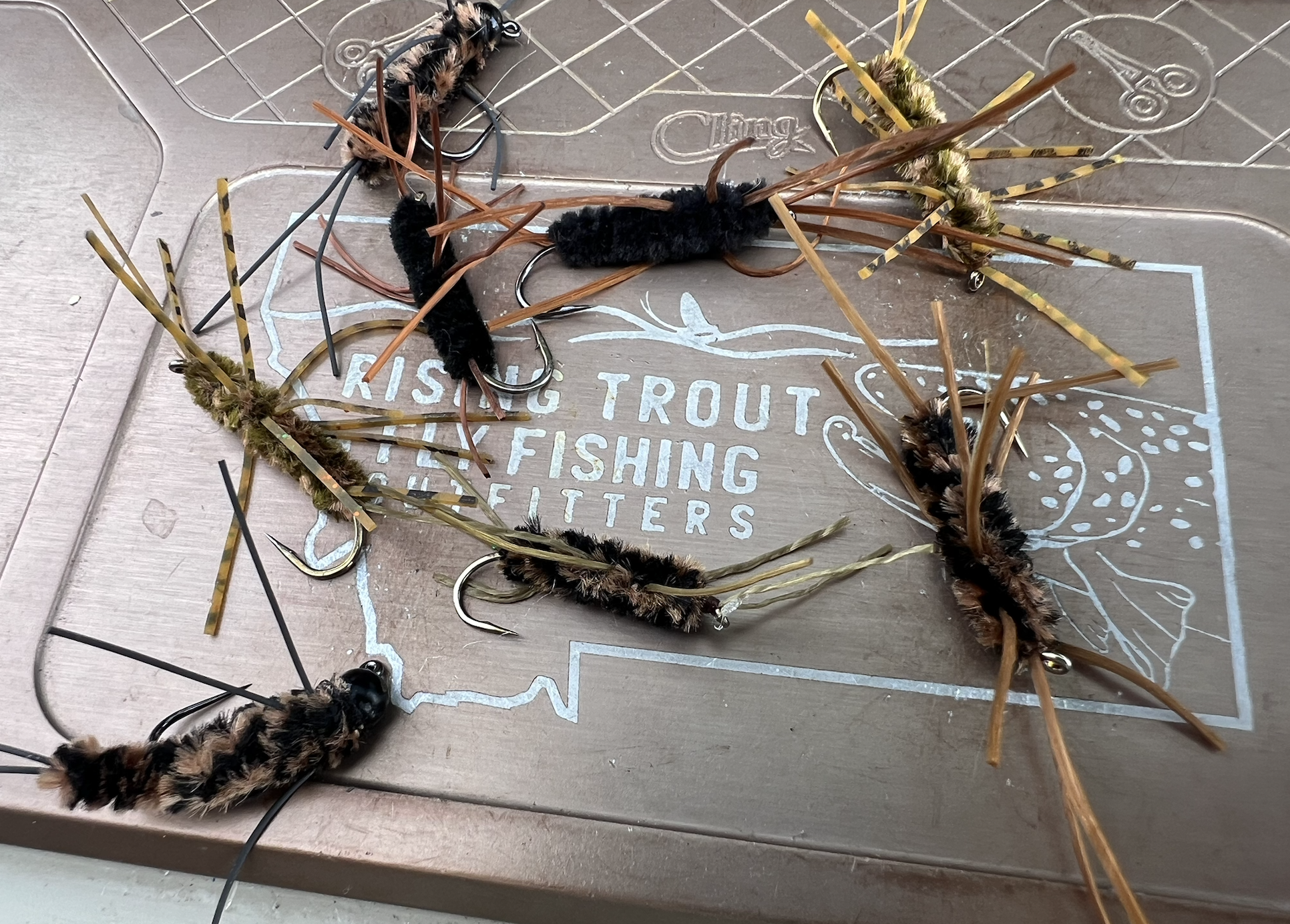
Pat's Rubber Legs — Sizes 8-12
For number four, we're going with a Montana staple: Pat's Rubber Legs.
This isn't necessarily an October-specific hatch fly, and that's exactly why we like it.
Stonefly nymphs live in our rivers year-round, and trout don't suddenly stop eating them because Salmonflies and Golden Stones finished hatching months ago.
A Pat's Rubber Legs gives you a bigger food item that you can use as an anchor fly and then trail something smaller behind it—a Split Back BWO, Pheasant Tail, Perdigon, Zebra Midge, or whatever else the fish are eating.
We generally like coffee/black, brown/black, and straight black this time of year.
As the water cools, don't feel like you need to constantly move this fly around. Put it near the bottom, get a good drift, and let those rubber legs do what they're supposed to do.
Simple fly. It has been catching Montana trout forever. There isn't much reason to overthink it.
5. Kingfisher Godlike October Caddis
Sizes 8-10
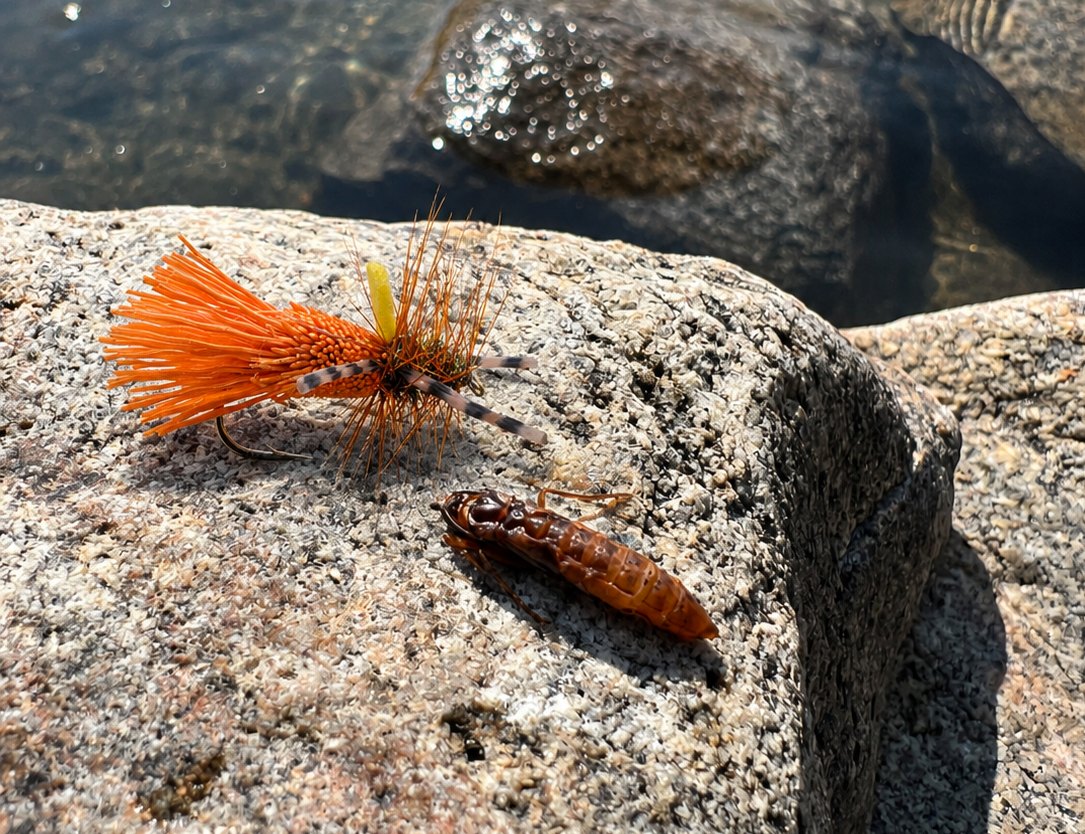
Kingfisher Godlike October Caddis
The October Caddis is a funny hatch in Montana.
We wouldn't call it one of our biggest or most dependable hatches of the year. In fact, on a lot of days you might only see a handful of adults. But certain river sections can have little spurts of October Caddis activity, and when the fish decide they are interested in them, it can be a really fun way to catch trout.
That's why the Kingfisher godlike Caddis from Montana Fly Company earns a permanent spot in our box this time of year.
Even when you aren't seeing a blanket hatch, a big orange caddis bouncing around the bank is a pretty substantial meal for a trout. Sometimes simply fishing one through likely holding water is enough to get a fish to look up.
They're also big and boyant enough to serve as a searching pattern and support a dropper well.
Think of October Caddis fishing less like matching an enormous hatch and more like taking advantage of an opportunistic food source, and this fly is a great attractor. You might only see a few bugs—but sometimes that's all it takes.
Bonus Fly:
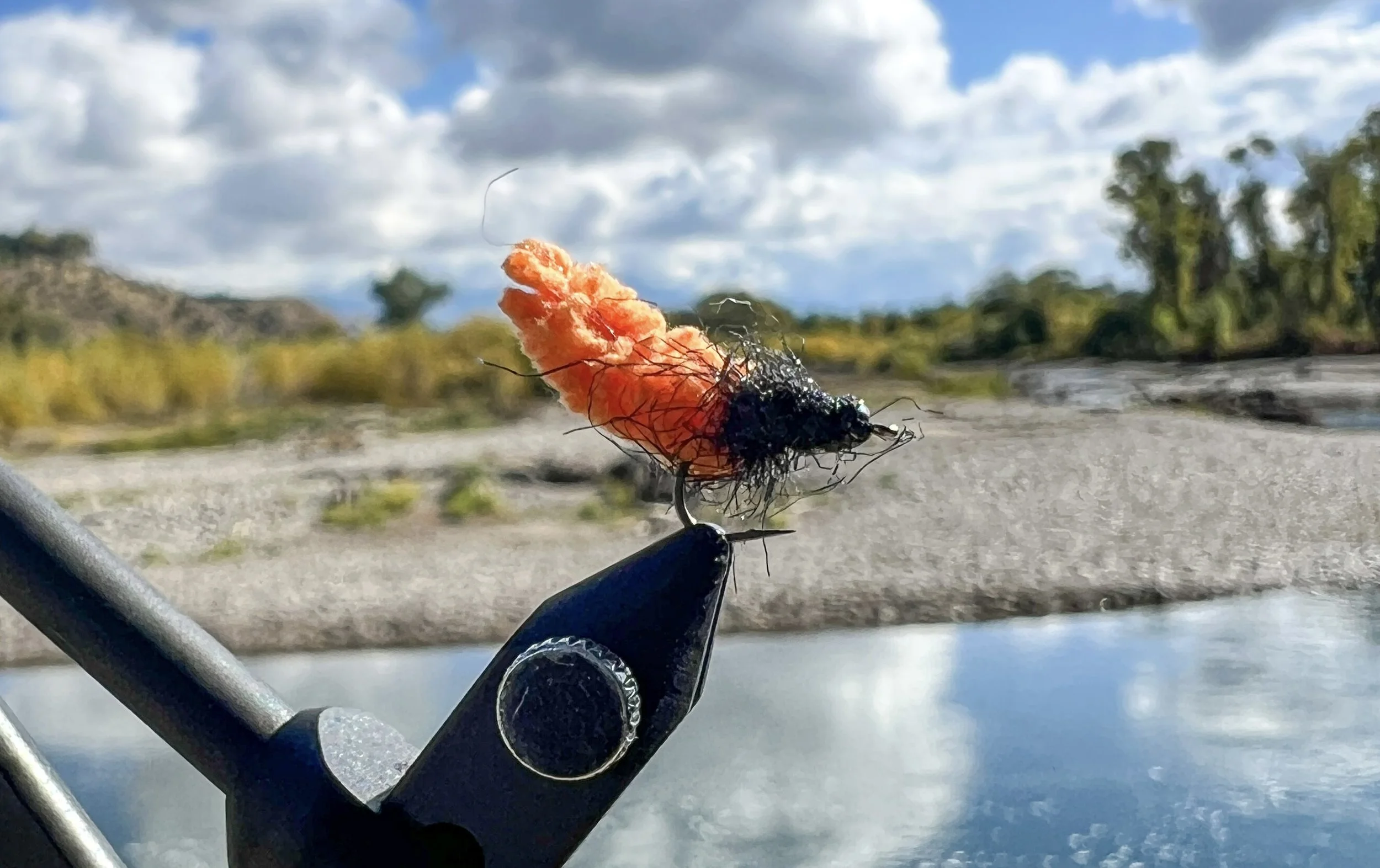
Orange Mop Fly
This one might raise a few eyebrows, but don't overlook a small orange Mop Fly in October.
The reason we like it is that it can cover two completely different food sources that become relevant this time of year.
First, the orange body can make a surprisingly good October Caddis larva or pupa-style imitation, especially when it's fished down near the bottom.
Second, that same orange profile crosses over into egg territory.
As brown trout begin moving toward spawning season, eggs gradually become another available food source in river systems. A small orange Mop fished as part of a nymph rig can therefore cover both sides of the October equation: a larger orange caddis and an egg-like profile.
***One important fall reminder: give actively spawning trout and visible redds plenty of room. There are plenty of other fish in the river to catch without fishing over spawning fish.
It isn't the prettiest fly in the box, and nobody is going to confuse it with a delicate dry fly.
But the fish don't seem particularly concerned about that.
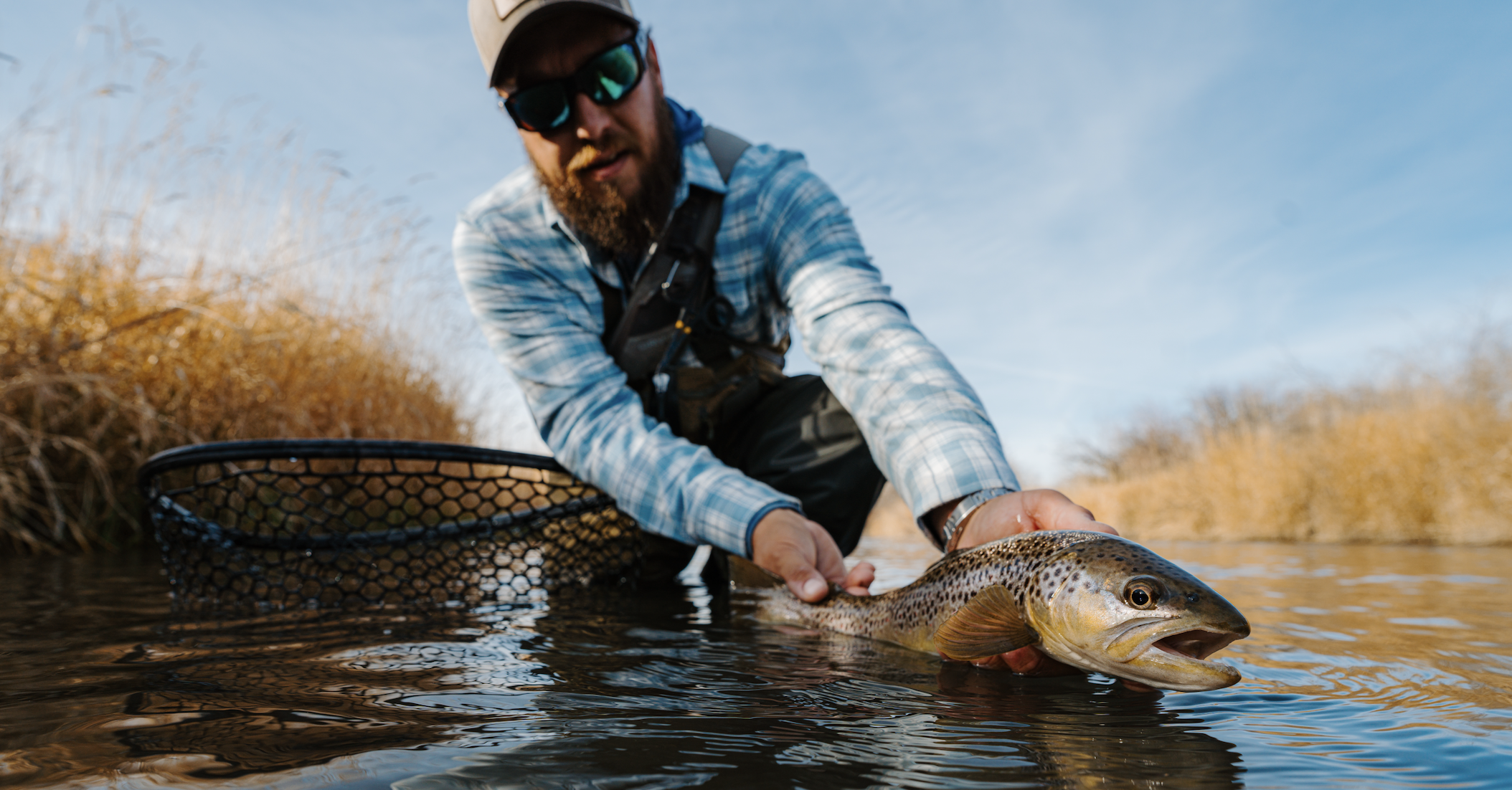
October Might Be the Best "Banker's Hours" Fishing of the Year
October really is one of our favorite months to guide and fish around Bozeman.
The summer crowds have thinned considerably, the rivers are quieter, and you can have some phenomenal fishing whether you're interested in throwing streamers, chasing BWO risers, or just running a good old-fashioned nymph rig.
And one of the best parts is that you don't necessarily need to be on the water at daylight.
As water temperatures cool, we're generally starting our October trips a little later and giving the river some time to warm up. BWOs commonly become more active from late morning into the afternoon, especially when we get some cloud cover.
With the shorter days, that also means we're often getting off the river by mid-to-late afternoon. Basically, it's fly fishing on banker's hours. Start late, catch some fish, and make it home in time for happy hour.
You'll have to be okay with Montana throwing a little weather at you—October can mean sunshine, wind, rain, snow, or sometimes all four in the same day—but that's part of what makes fall fishing here so good.
If you're thinking about booking an October fly fishing trip near Bozeman, we still have a good amount of availability this month. Give us a call and we'll help figure out which river and style of fishing makes the most sense for the conditions.
October doesn't last long, but it's one of the best times of the year to be on the water.