Montana Late Winter Fly Fishing Report and Forecast 2026 – Madison, Gallatin, Yellowstone & Missouri
Mild Weather, Solid Fishing & Looking Ahead to Spring
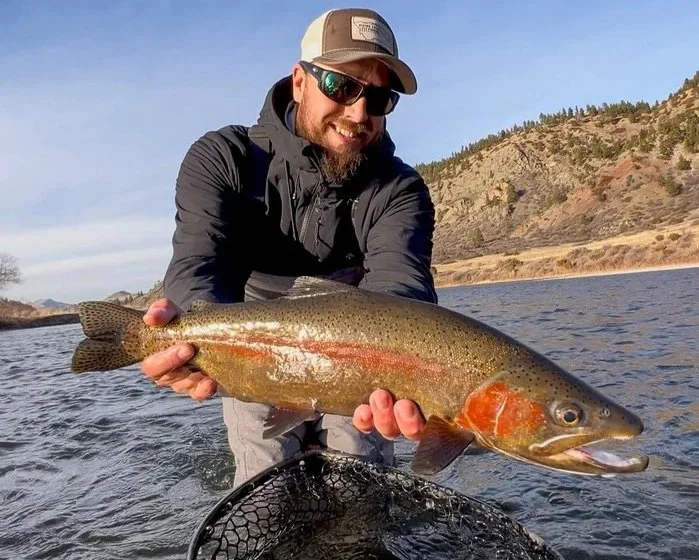
Late winter in Montana has felt a lot more like early spring this year — and the fishing has reflected that. With a mild winter pattern dominating most of the season, we’ve seen consistent action across the Madison River, Gallatin River, Yellowstone River, and the Missouri River.
Flows have remained stable, water clarity has been good overall, and trout have been far more active than you might expect for February.
Mild Winter = Consistent Opportunities
With daytime temperatures frequently climbing into the upper 30s and 40s — and many afternoons pushing low 40s and even close to 50, fish have stayed on a steady winter feeding rhythm. Nymphing remains the most consistent producer with:
Zebra Midges (#18–20)
Tailwater sowbugs & scuds
Baetis nymphs (#18–20)
Small stonefly nymphs
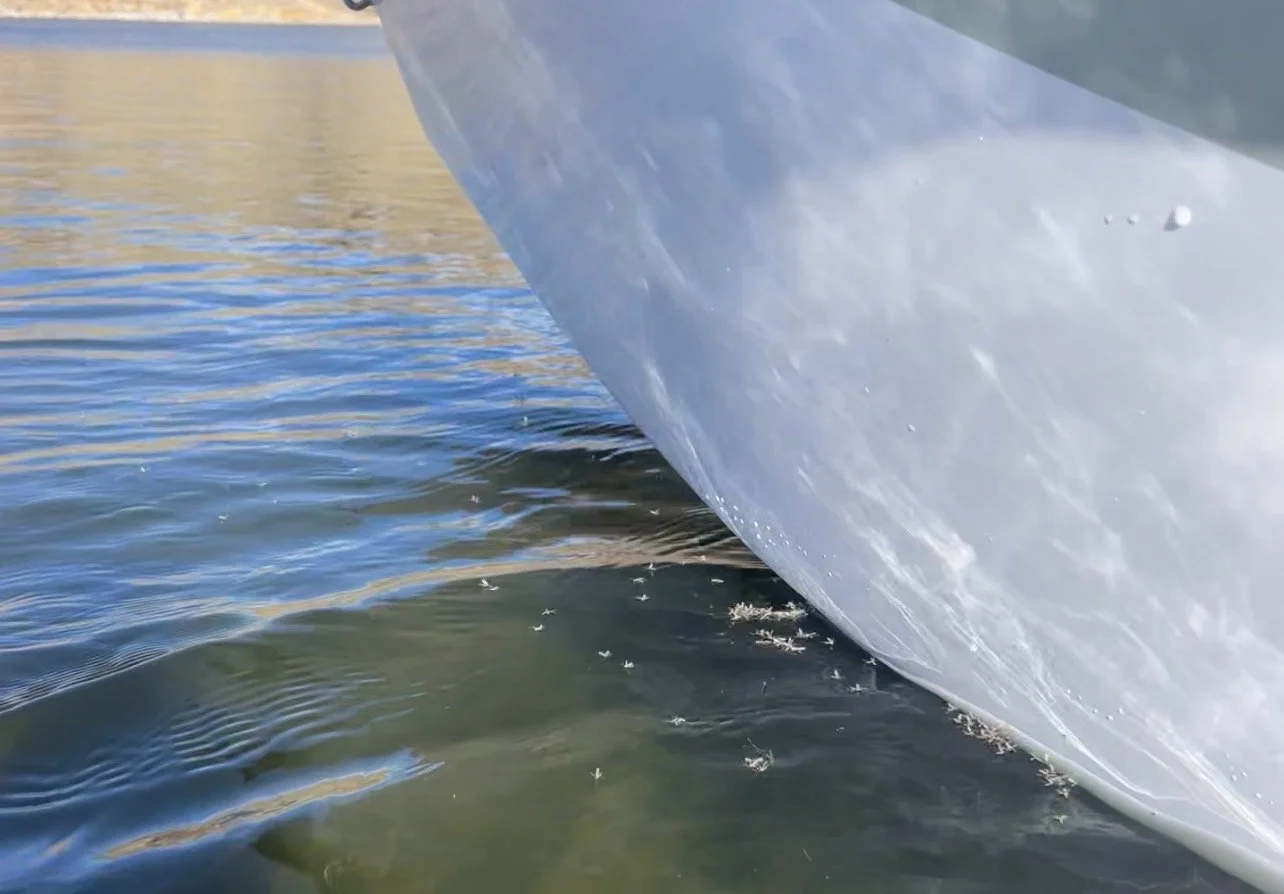
On overcast afternoons, especially on the Missouri and stretches of the Madison, we’ve seen solid midge activity. Nothing overly flashy — but steady winter dry fly windows that reward patience.
Streamer fishing has also quietly improved on the Gallatin and Yellowstone during warming trends. Slower retrieves and fishing soft edges have been key.
Snowpack Outlook & What It Means
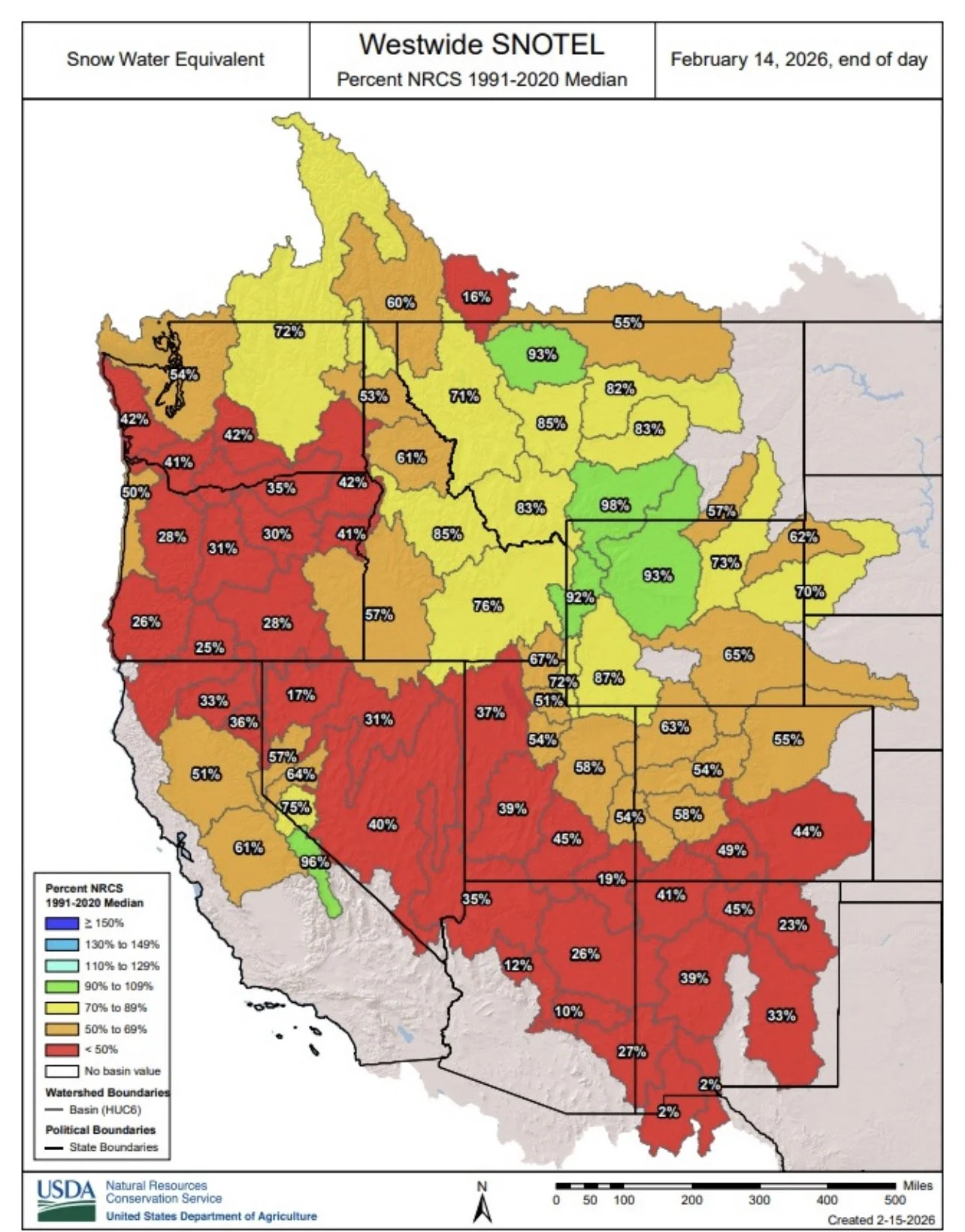
The encouraging news heading into spring is that Montana’s snowpack is sitting right around normal — and in better shape than much of the West. Recent moisture and colder temps in the forcast for early this week will only help solidify that base.
From a long-term perspective, We could still use a good amount of snowpack so keep doing those snow dances and keep your fingers crossed for a rainy/snowy spring. But steady, gradual accumulation without dramatic warm spikes is what an average spring looks like. Decent snowpack going into March typically sets us up for a manageable runoff and strong late spring flows.
Looking ahead, next weekend and the longer-range forecast show a return to the same mild trend we’ve experienced most of the winter — low to mid-40s during the day. Those consistent temperatures should continue to stabilize water temps and gradually increase trout activity as February transitions into March.
What March Means for Spring Fishing
As we move toward March, we start watching for:
More consistent BWO hatches
Pre-spawn brown trout activity winding down
Increasing midge and early mayfly windows
Improved streamer aggression during warming afternoons
March is a “sleeper” month for quality fishing. Fewer anglers, rising trout metabolism, and stable flows often combine for some of the best technical nymph and early dry fly fishing of the year. It’s also when we start tuning up for true spring conditions — checking gear, refreshing leaders and tippet, organizing fly boxes, and preparing for Skwala and Mother’s Day Caddis conversations just around the corner.
Book a Late Winter Guide Trip – $550 Through March 31
If you’ve been waiting for a window to get on the water, this is it. Mild weather, solid snowpack, and steady fishing make late winter one of the most underrated times to float or wade our local rivers.
We’re running winter guide trip rates at $550 through the end of March.
Low pressure. Active fish. Great conditions.
If you’re thinking about a late winter or early spring trip on the Madison, Gallatin, Yellowstone, or Missouri — now’s the time to lock it in.